- Fungi Including Lichens
- ›Ascomycete Fungi
- ›Sac Fungi and Lichens
- ›Sordariomycetes
- ›Sordariomycetidae
- ›Sordariales
- ›Chaetomiaceae
- ›Chaetomium
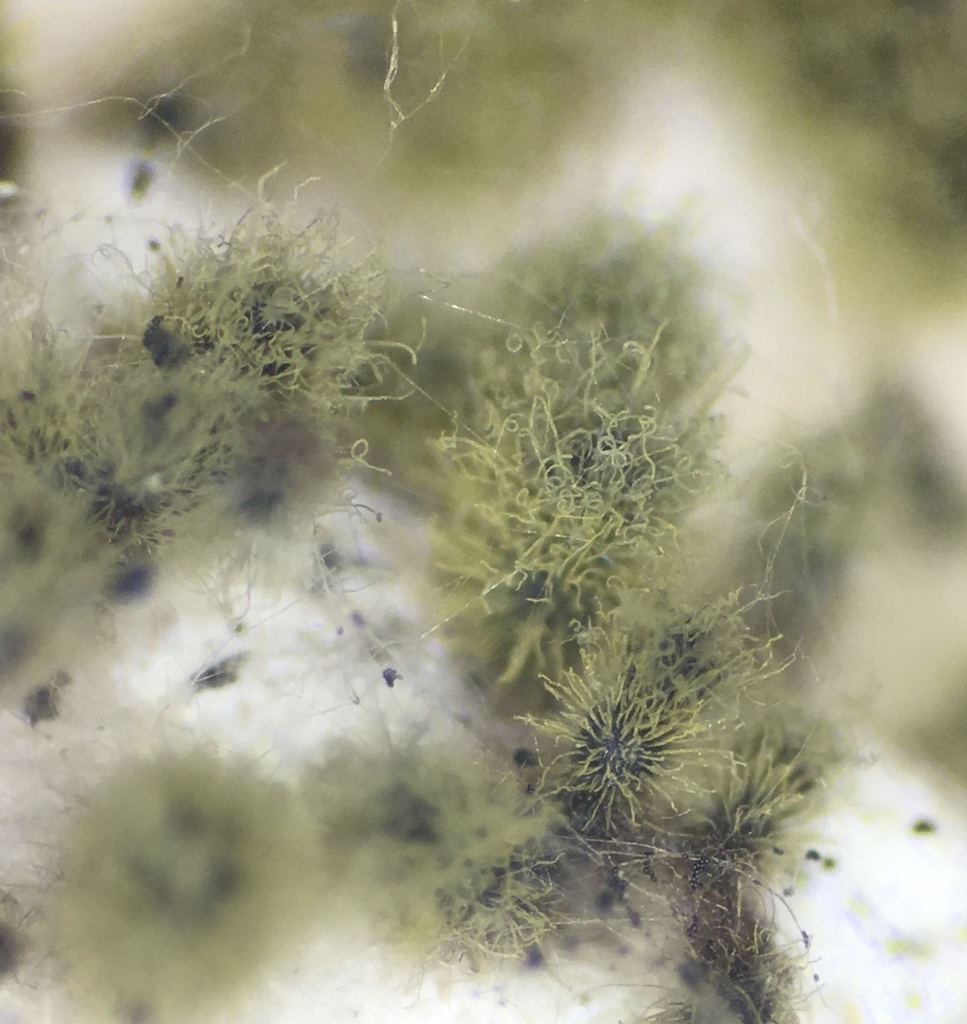
Chaetomium globosum
Chaetomium globosum is a well-known mesophilic member of the mold family Chaetomiaceae. It is a saprophytic fungus that primarily resides on plants, soil, straw, and dung. Endophytic C. globosum assists in cellulose decomposition of plant cells. They are found in habitats ranging from forest plants to mountain soils across various biomes. C. globosum colonies can also be found indoors and on wooden products.
Chaetomium globosum are human allergens and opportunistic agents of ungual mycosis and neurological infections. However such illnesses occur at low rates.
From the article Chaetomium globosum on Wikipedia (CC BY-SA), quoted section by section
How it is grown
Chaetomium globosum are endophytic to many plants. Their asymptomatic colonization supports plant tolerance to metal toxicity. Heavy metals such as copper, suppress plant growth and disrupt metabolic processes, e.g. photosynthesis. When maize plants were treated with C. globosum, they expressed less growth inhibition and increased biomass. C. globosum is also known to reside in Ginkgo biloba plants. Such plants use this endophytic fungus to suppress bacterial pathogens. In fact, ascospore inoculation reduces bacterial disease symptoms such as wilting, apple scabs, and seed blight in treated plants. Enhancing plant stress tolerance and microbial defense, renders C. globosum application beneficial for agricultural use.
Wikipedia: “Agricultural use”
Where it lives
Recorded sightings
—
geo-referenced records in GBIF, from museums, herbaria and field observers.
Drag the globe to turn it. Dots are where records exist, not a range map; darker means more records.
In the stacks
Searching the stacks…
Every page naming Chaetomium globosum in the Biodiversity Heritage Library →
This page is assembled live from iNaturalist, GBIF, Wikipedia, the Source Library and the Internet Archive. It is not yet part of the hand-edited codex. iNaturalist taxon 381571.