- Plants
- ›Vascular Plants
- ›flowering plants
- ›Dicots
- ›carrots, ivies, and allies
- ›cheesewood family
- ›Pittosporum
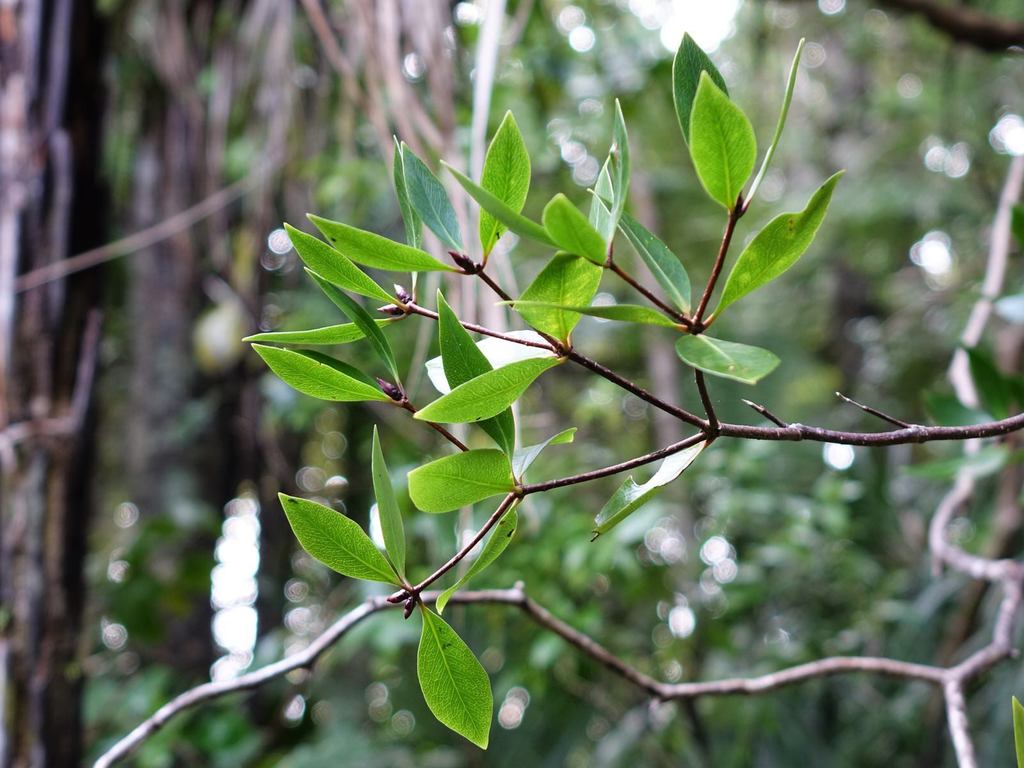
Perching kohukohu
Pittosporum cornifolium
Pittosporum cornifolium, known as tāwhiri karo in Māori, is a species of plant in the Pittosporaceae family. It is an epiphytic plant endemic to the North Island and the Marlborough Sounds of the South Island, New Zealand. In the wild it is considered rare and threatened, although it occurs more frequently on offshore islands in the north-east, along with P. kirkii, the only other epiphytic member of the genus. Also grows well as a ground plant and is a popular garden ornamental with two recognised cultivars.
From the article Pittosporum cornifolium on Wikipedia (CC BY-SA), quoted section by section
Description
Pittosporum cornifolium is an attractive hanging plant or shrub growing to 2 metres (6 feet 7 inches) tall, with leaves which are shiny dark green, arranged in wide verticils or whorls. Reddish buds appear over the top of the verticils, producing yellow fragrant flowers usually in late winter. The fruit opens to reveal black seeds highlighted by the orange coloured pith covering the internal surface of the capsule, attracting birds. Naturally occurring plants grow with other epiphytes often in large pūriri and rātā trees, and occasionally in rock crevices.
== References ==
Wikipedia: “Description and habitat”
Where it lives
Recorded sightings
—
geo-referenced records in GBIF, from museums, herbaria and field observers.
Drag the globe to turn it. Dots are where records exist, not a range map; darker means more records.
In the stacks
Searching the stacks…
Every page naming Pittosporum cornifolium in the Biodiversity Heritage Library →
This page is assembled live from iNaturalist, GBIF, Wikipedia, the Source Library and the Internet Archive. It is not yet part of the hand-edited codex. iNaturalist taxon 407617.