 NL·0487
Herbarium of the Nature Library
- Name
- Gorilla gorilla
- Family
- Hominidae
- Native to
- Western equatorial Africa: Cameroon, Gabon, Republic of Congo, Central African Republic, Equatorial Guinea, Angola (Cabinda); Cross River gorillas on the Nigeria–Cameroon border
- Habitat
- Tropical rainforest, Swamp forest
Western gorilla
Gorilla gorilla
Also calledNgi (Fang) · Gorille (French) · Dàxīngxing 大猩猩 (Chinese) · Gorila (Spanish/Portuguese)
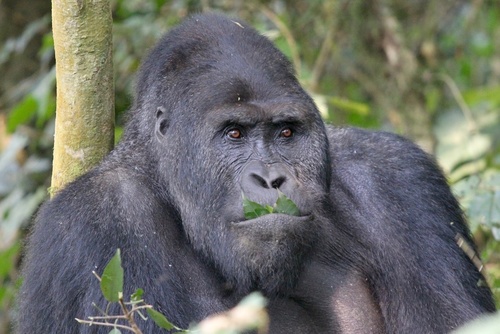
The largest living primate, a mostly gentle, plant-eating ape of the Congo Basin and Nigeria–Cameroon forests. Families centre on a silverback male who leads, mediates and protects the group.
The western gorilla is a great ape found in Africa, one of two species of the hominine genus Gorilla. Large and robust with males weighing around 168 kilograms (370 lb), the species is found in a region of midwest Africa, geographically isolated from the eastern gorilla. The hair of the western species is significantly lighter in colour. Wikipedia
What it can do
- iBeats its chest with cupped hands, a sound that can carry about 1 km; in mountain gorillas, the pitch of the beats has been shown to signal the male's body size
- iiWild western gorillas have been seen testing water depth with a walking stick
- iiiCaptive gorillas such as Koko learned hundreds of signs
- ivDisperses large seeds of many forest trees
In the field
Field marks
- aVery large ape with dark grey-brown hair
- bAdult males have a silver back and a crest on the head
- cBrownish crown, often reddish
- dLives in groups led by a silverback
- Voice
- Chest-beating, hoots and grunts
- Not to be confused with
- Eastern gorillas (mountain and Grauer's) are darker and longer-haired and live far to the east.
- Where to see it
- Odzala-Kokoua (Republic of Congo), Dzanga-Sangha (Central African Republic) and Loango (Gabon), with habituated-group permits
- When
- Resident
Listen
Looking for field recordings…
Life & habits
- Diet
- Herbivore: fruit, leaves, stems, pith; also termites and ants
- Habitat
- Lowland rainforest and swamp clearings (bais)
- Size
- Males 140–200 kg and up to ~1.7 m standing; females 70–100 kg
- Lifespan
- 35–40 years wild; to 50+ in captivity
Each evening every gorilla builds a nest of leaves and branches on the ground or in a tree. Western gorillas travel further each day than mountain gorillas, following fruiting trees.
Where it lives
Recorded sightings
—
geo-referenced records in GBIF, from museums, herbaria and field observers.
Native range
Western equatorial Africa: Cameroon, Gabon, Republic of Congo, Central African Republic, Equatorial Guinea, Angola (Cabinda); Cross River gorillas on the Nigeria–Cameroon border
Drag the globe to turn it. Dots are where records exist, not a range map; darker means more records.
In the old herbals & bestiaries
Woodcuts and engravings matched from the Source Library’s scanned books by name. Plates marked “relative” show a close kin rather than this exact species. Click a plate to read the page it came from, with translation.

In the stacks
Searching the stacks…
Every page naming Gorilla gorilla in the Biodiversity Heritage Library →
Marginalia
The Carthaginian Hanno's Periplus (c. 5th century BCE) tells of hairy wild people on a West African island that interpreters called 'Gorillai'. Thomas Savage and Jeffries Wyman described the gorilla for science in 1847 and borrowed that name.
Curiosity
Gorillas hum and 'sing' while they eat, especially when the food is good.
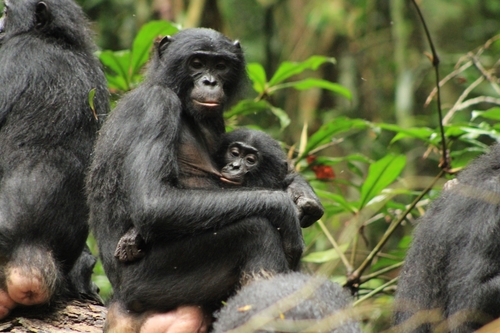
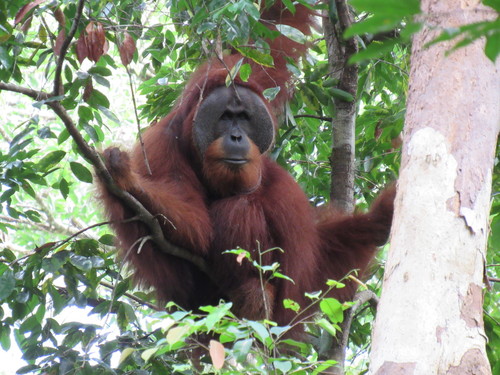
Kinship



Fact-checked: 1 correction made to this sheet. Photographs: iNaturalist contributors under the licences shown. Records: GBIF.org. Historical plates: Source Library (CC BY-SA 4.0; originals public domain). Summary text: Nature Library editors and Wikipedia (CC BY-SA). Medicinal and edibility notes are historical and educational, not advice. iNaturalist taxon 43580.