- Animals
- ›Arthropods
- ›Hexapods
- ›Insects
- ›Winged and Once-winged Insects
- ›Flies
- ›Nematoceran Flies
- ›Psychodomorpha
- ›Moth Flies and Sand Flies
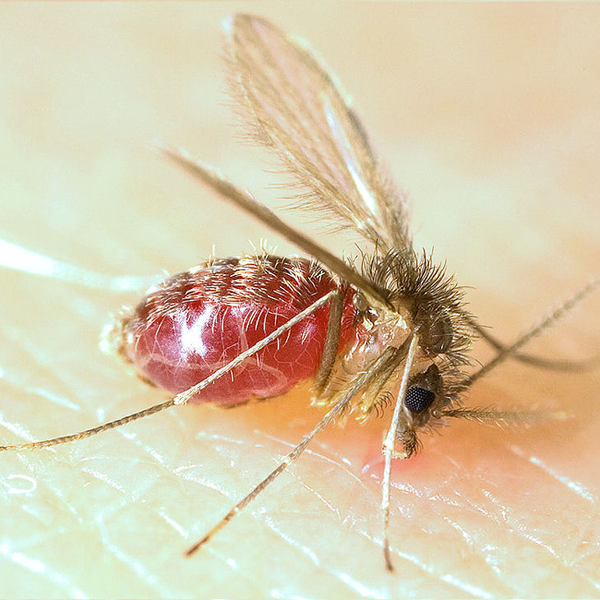
Sand Flies
Phlebotominae
The Phlebotominae are a subfamily of the family Psychodidae. In several countries, their common name is sandfly, but that name is also applied to other flies. The Phlebotominae include many genera of blood-feeding (hematophagous) flies, including the primary vectors of leishmaniasis, bartonellosis, and pappataci fever.
Sandflies are small; a body size of about 3 mm in length is typical for many species, which aids them in escaping notice. Their bite is not always felt, but leaves a small, round, reddish bump that starts itching hours or days later. Use of insect repellent is recommended in areas where sandflies are present.


Where it lives
Recorded sightings
—
geo-referenced records in GBIF, from museums, herbaria and field observers.
Drag the globe to turn it. Dots are where records exist, not a range map; darker means more records.
In the stacks
Searching the stacks…
Every page naming Phlebotominae in the Biodiversity Heritage Library →
This page is assembled live from iNaturalist, GBIF, Wikipedia, the Source Library and the Internet Archive. It is not yet part of the hand-edited codex. iNaturalist taxon 465113.