- Plants
- ›Vascular Plants
- ›flowering plants
- ›Dicots
- ›Gentians, Dogbanes, Madders, and Allies
- ›madder family
- ›Rubioideae
- ›Spermacoceae
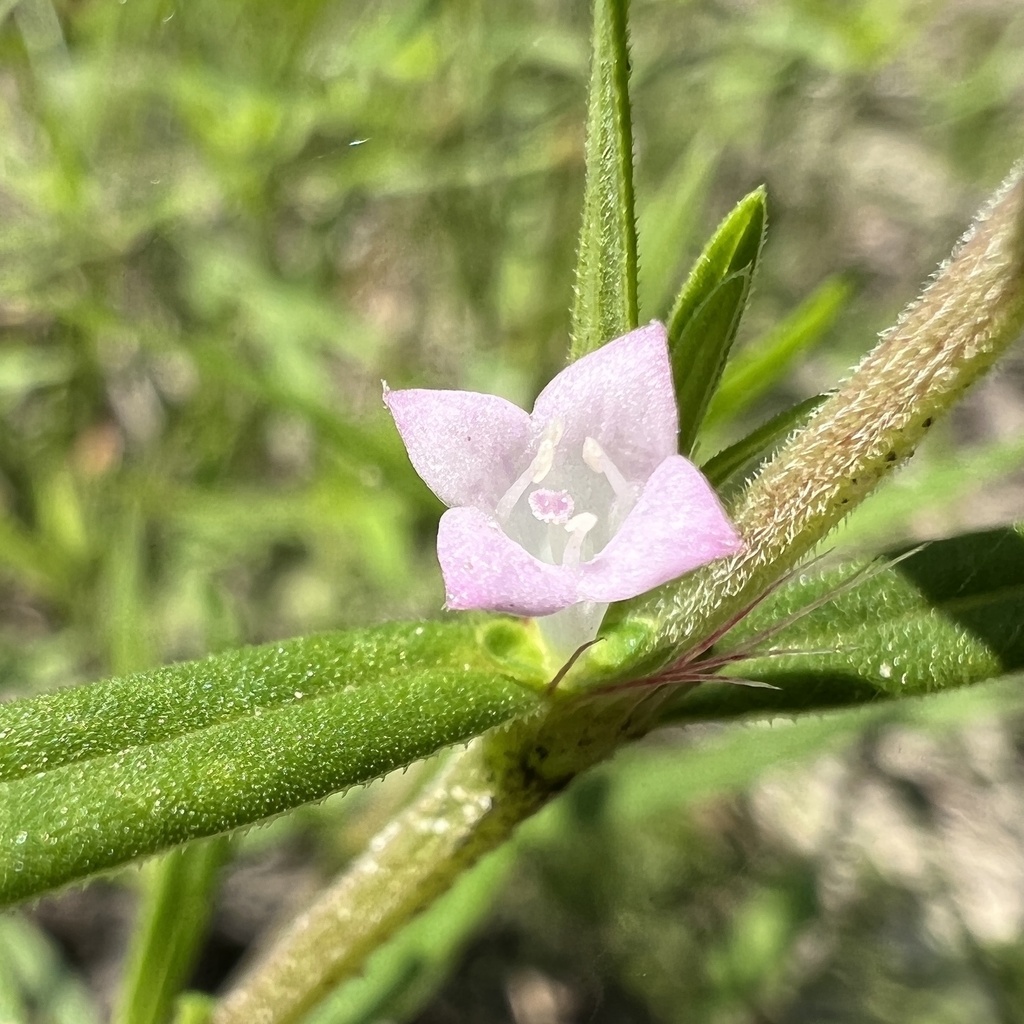
Hexasepalum
Diodia (or buttonweed) is a genus of flowering plants in the Rubiaceae family. It was described by Carl Linnaeus in 1753. The genus is found from southern and eastern United States, South America, Central America, Mexico, the West Indies and tropical Africa.
15 branches of this genus, most-observed first
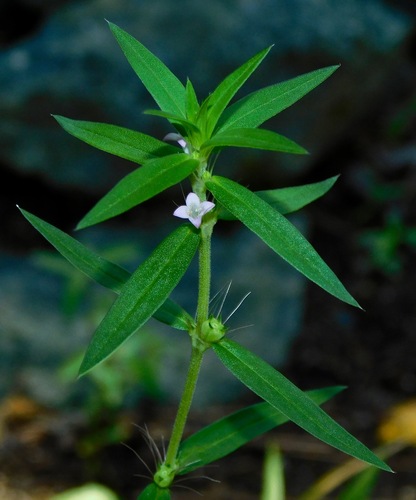
rough buttonweed
speciesHexasepalum teres
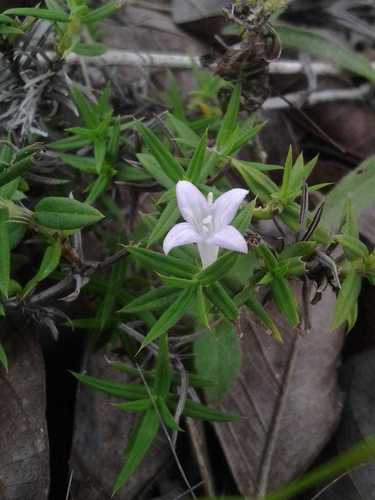
Hexasepalum apiculatum
speciesHexasepalum apiculatum
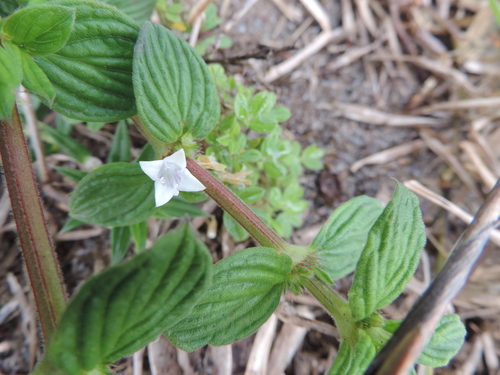
Hexasepalum radulum
speciesHexasepalum radulum
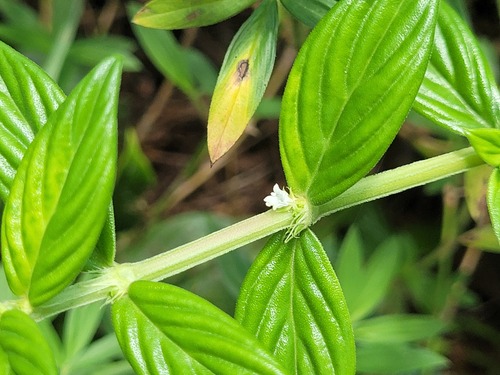
Hexasepalum sarmentosum
speciesHexasepalum sarmentosum
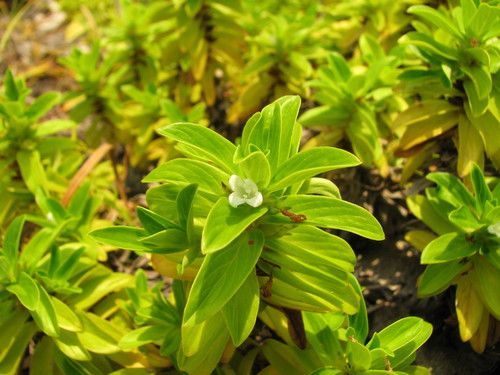
Hexasepalum serrulatum
speciesHexasepalum serrulatum
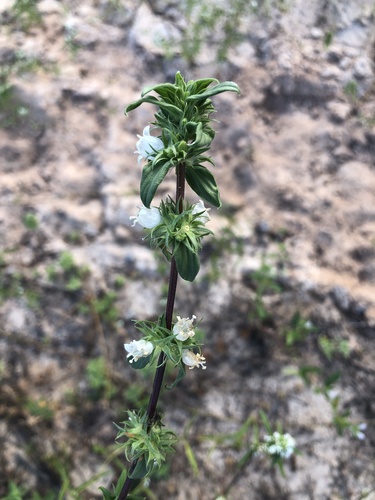
Hexasepalum gardneri
speciesHexasepalum gardneri

Hexasepalum angustifolium
speciesHexasepalum angustifolium
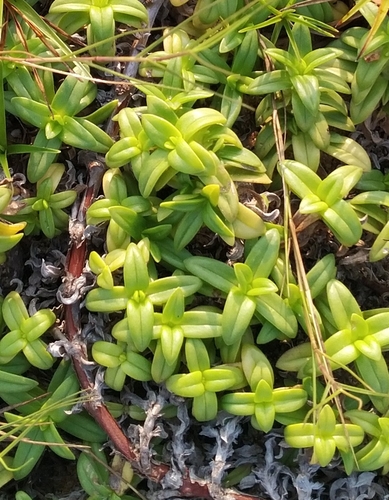
Hexasepalum vaginale
speciesHexasepalum vaginale
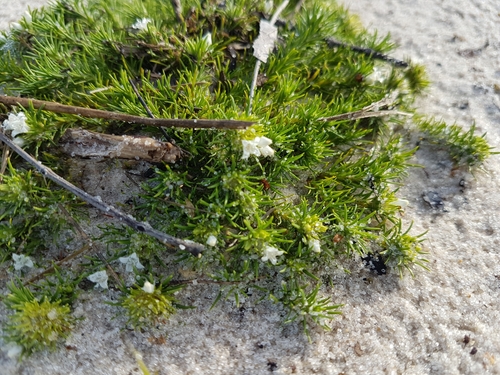
Hexasepalum zappiae
speciesHexasepalum zappiae
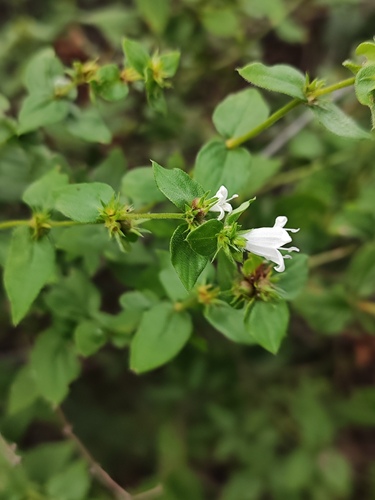
Hexasepalum nordestinum
speciesHexasepalum nordestinum
Hexasepalum rosmarinifolium
speciesHexasepalum rosmarinifolium
Hexasepalum scandens
speciesHexasepalum scandens
Hexasepalum domingense
speciesHexasepalum domingense
Hexasepalum lippioides
speciesHexasepalum lippioides
Hexasepalum mello-barretoi
speciesHexasepalum mello-barretoi
Where it lives
Recorded sightings
—
geo-referenced records in GBIF, from museums, herbaria and field observers.
Drag the globe to turn it. Dots are where records exist, not a range map; darker means more records.
In the stacks
Searching the stacks…
Every page naming Hexasepalum in the Biodiversity Heritage Library →
This page is assembled live from iNaturalist, GBIF, Wikipedia, the Source Library and the Internet Archive. It is not yet part of the hand-edited codex. iNaturalist taxon 470054.