
Butterflies and Moths
Lepidoptera
Lepidoptera ( LEP-ih-DOP-tər-ə) or lepidopterans are an order of winged insects which include butterflies and moths. About 180,000 species of the Lepidoptera have been described, representing 8.6% of the total described species of living organisms, making it the second largest insect order (behind Coleoptera) with 133 families and 43 superfamilies, and one of the most widespread and widely recognizable insect orders in the world.
Lepidopterans have several distinctive features, especially colored scales that cover their bodies, large triangular wings, and a proboscis for drinking nectar. Almost all species have membranous wings. Mating and egg-laying are normally near or on host plants for the larvae. Butterflies and moths undergo complete metamorphosis. The larva is called a caterpillar; it has a cylindrical body with a well-developed head, chewing mouthparts, three pairs of legs and up to five pairs of prolegs. As it grows, it changes in appearance, going through a series of stages called instars. Once mature, it develops into a pupa. A few butterflies and many moth species spin a silk casing or cocoon for protection prior to pupating, while others just go underground. A butterfly pupa, called a chrysalis, has a hard skin, usually with no cocoon. In the pupa, metamorphosis occurs, and a sexually mature adult emerges.
52 branches of this order, most-observed first

Butterflies
superfamilyPapilionoidea

Owlet Moths and Allies
superfamilyNoctuoidea

Geometrid and Swallowtail Moths
superfamilyGeometroidea

Pyralid and Crambid Snout Moths
superfamilyPyraloidea

Hawk, Sphinx, Silk, Emperor, and Allied Moths
superfamilyBombycoidea

Tortricid Leafroller Moths and Allies
superfamilyTortricoidea

Curved-horn Moths
superfamilyGelechioidea

Flannel, Slug Caterpillar, Leaf Skeletonizer, and Allied Moths
superfamilyZygaenoidea

Lasiocampoidea
superfamilyLasiocampoidea

Bagworms, Clothes Moths, and Allies
superfamilyTineoidea

Ermine Moths and Allies
superfamilyYponomeutoidea
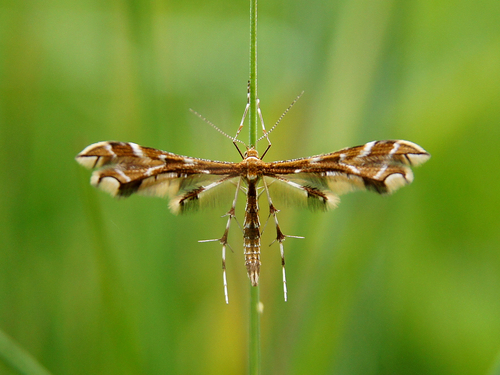
Plume Moths and Allies
superfamilyPterophoroidea

Gracillarioidea
superfamilyGracillarioidea
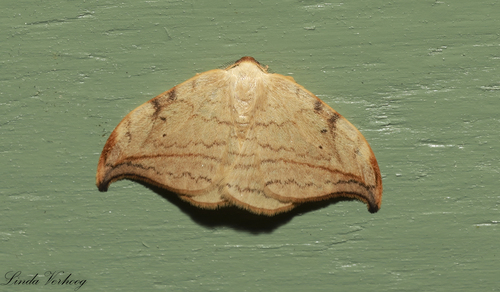
Hooktip Moths and Allies
superfamilyDrepanoidea

Carpenter, Leopard, Goat, and Allied Moths
superfamilyCossoidea

Ghost Moths and Swift Moths
superfamilyHepialoidea

Fairy Moths and Allies
superfamilyAdeloidea

Pygmy Leafminer Moths
superfamilyNepticuloidea
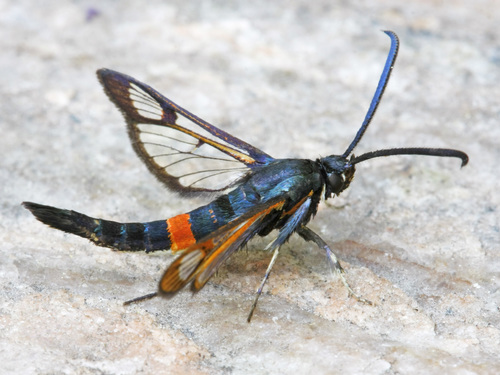
Clearwing moths
superfamilySesioidea
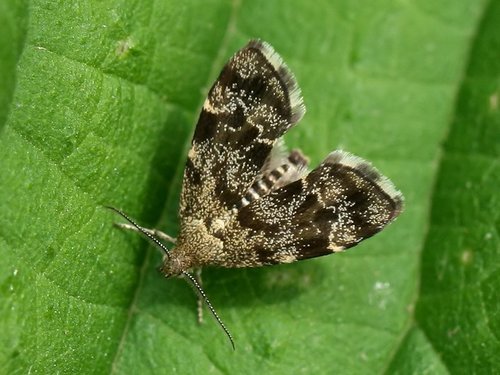
Choreutoidea
superfamilyChoreutoidea

Picture-winged Leaf Moths
superfamilyThyridoidea

Many-plumed and False Plume moths
superfamilyAlucitoidea

Trumpet Leafminer Moths
superfamilyTischerioidea

Fruitworm Moths
superfamilyCarposinoidea

Sack-bearer Moths
superfamilyMimallonoidea

Mandibulate Archaic Moths
superfamilyMicropterigoidea

Calliduloidea
superfamilyCalliduloidea

Teak Moths
superfamilyHyblaeoidea

Eriocranioidea
superfamilyEriocranioidea

Immoidea
superfamilyImmoidea

Fringe-tufted Moths
superfamilyEpermenioidea

Schreckensteinioidea
superfamilySchreckensteinioidea

False Burnet Moths
superfamilyUrodoidea
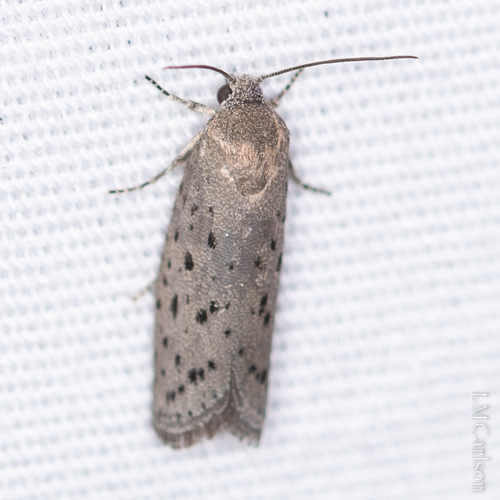
Galacticoid Moths
superfamilyGalacticoidea

Heliocosmoidea
superfamilyHeliocosmoidea
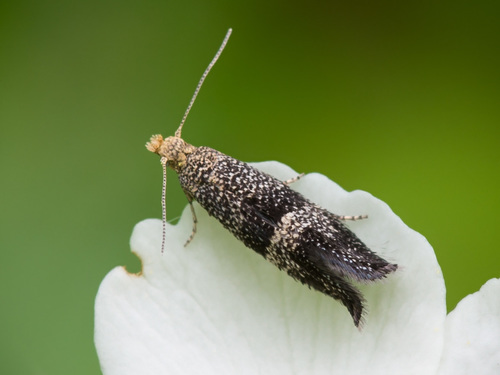
Douglasioidea
superfamilyDouglasioidea

Palaephatoidea
superfamilyPalaephatoidea

Mnesarchaeoidea
superfamilyMnesarchaeoidea

Cycloplasis
genusCycloplasis

Neopseustoidea
superfamilyNeopseustoidea

Millieriidae
familyMillieriidae

Acanthopteroctetoidea
superfamilyAcanthopteroctetoidea
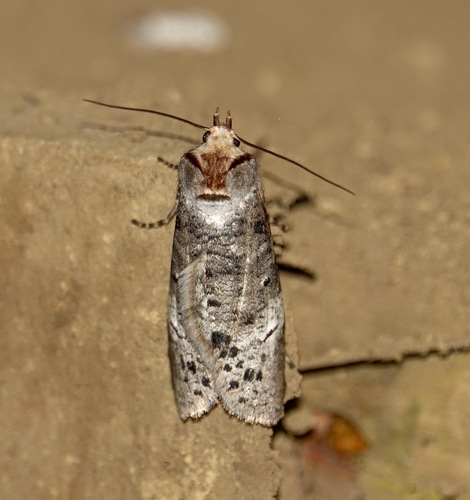
Andesianoidea
superfamilyAndesianoidea
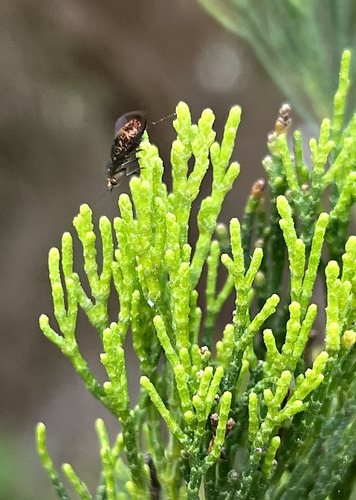
Aenigmatineidae
familyAenigmatineidae
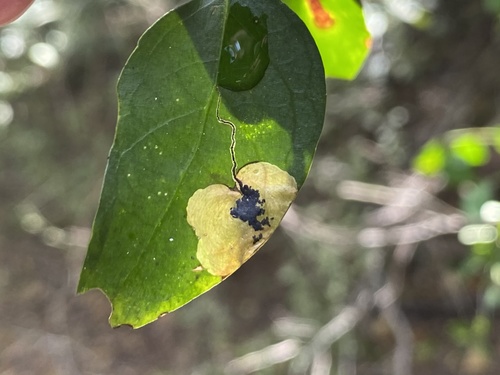
Podiasa
genusPodiasa

Heterobathmioidea
superfamilyHeterobathmioidea

Pliniaca
genusPliniaca

Lophocoronoidea
superfamilyLophocoronoidea
Eulyonetia
genusEulyonetia
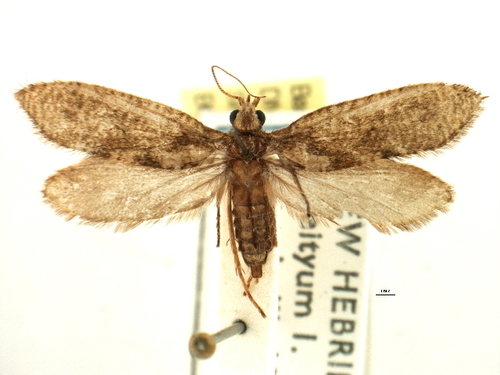
Agathiphagoidea
superfamilyAgathiphagoidea
Simaethistoidea
superfamilySimaethistoidea
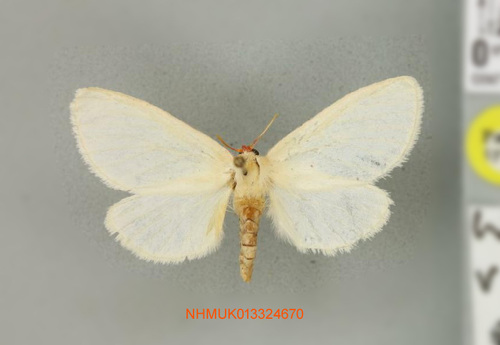
Whalleyanoidea
superfamilyWhalleyanoidea
Where it lives
Recorded sightings
—
geo-referenced records in GBIF, from museums, herbaria and field observers.
Drag the globe to turn it. Dots are where records exist, not a range map; darker means more records.
In the old herbals & bestiaries

In the stacks
Searching the stacks…
Every page naming Lepidoptera in the Biodiversity Heritage Library →
This page is assembled live from iNaturalist, GBIF, Wikipedia, the Source Library and the Internet Archive. It is not yet part of the hand-edited codex. iNaturalist taxon 47157.