Stick Insects
Phasmida
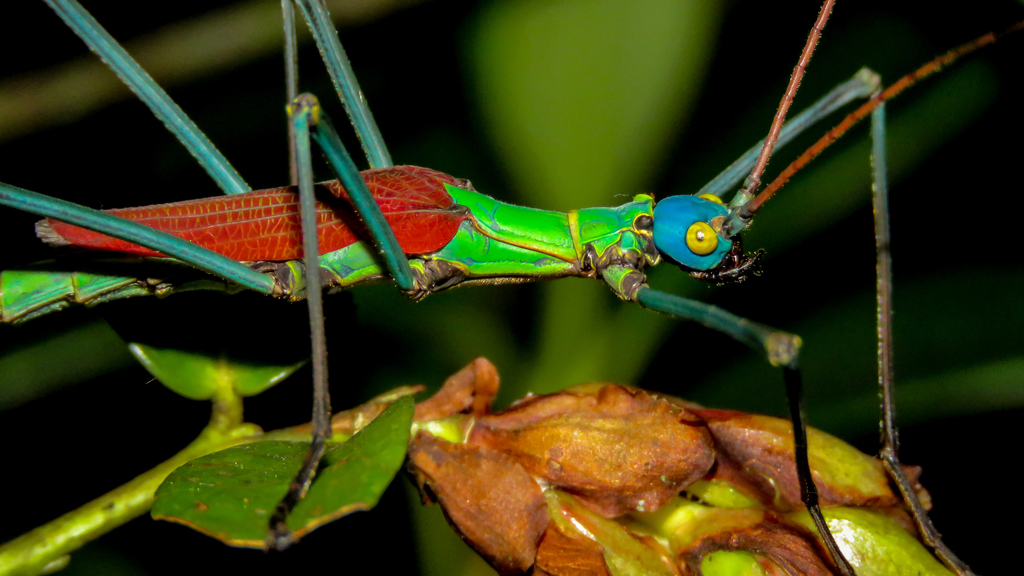
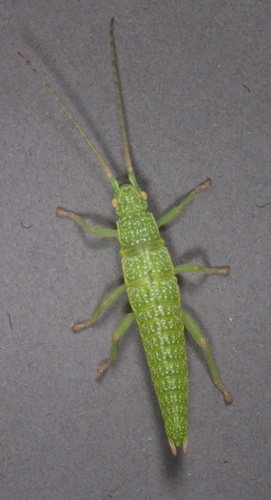
The Phasmatodea (also known as Phasmida or Phasmatoptera) are an order of insects whose members are variously known as stick insects, stick bugs, walkingsticks, stick animals, or bug sticks. They are also occasionally referred to as Devil's darning needles, although this name is shared by both dragonflies and crane flies. They can be generally referred to as phasmatodeans, phasmids, or ghost insects, with phasmids in the family Phylliidae called leaf insects, leaf-bugs, walking leaves, or bug leaves. The order name is derived from the Ancient Greek φάσμα (phásma), meaning "apparition, phantom", referring to their resemblance to vegetation while in fact being animals. Their natural camouflage makes them difficult for predators to detect; still, many species have one of several secondary lines of defense in the form of startle displays, spines or toxic secretions. Stick insects from the genera Phryganistria, Ctenomorpha, and Phobaeticus include the world's longest insects.
Members of the order are found on all continents except Antarctica, and they are most abundant in the tropics and subtropics. They are herbivorous, with many species living unobtrusively in the tree canopy. They are also nocturnal and are usually found feeding under leaves during twilight or midnight. During the day, their camouflage aids them in remaining undetected by predators which rely on sight, such as birds. They have an incomplete metamorphosis life cycle with three stages: egg, nymph and adult.
2 branches of this order, most-observed first
See this branch on the Wheel of Life →
Where it lives
Recorded sightings
—
geo-referenced records in GBIF, from museums, herbaria and field observers.
Drag the globe to turn it. Dots are where records exist, not a range map; darker means more records.
In the stacks
Searching the stacks…
Every page naming Phasmida in the Biodiversity Heritage Library →
This page is assembled live from iNaturalist, GBIF, Wikipedia, the Source Library and the Internet Archive. It is not yet part of the hand-edited codex. iNaturalist taxon 47198.