- Animals
- ›Arthropods
- ›Hexapods
- ›Insects
- ›Winged and Once-winged Insects
- ›True Bugs, Hoppers, Aphids, and allies
- ›True Bugs
- ›Cimicomorph Bugs
- ›Reduvioidea
- ›Assassin Bugs

Kissing Bugs
Triatominae
The members of the Triatominae , a subfamily of the Reduviidae, are also known as conenose bugs, kissing bugs (so-called from their habit of feeding from around the mouths of people), or vampire bugs. Other local names for them, used in Latin America and by Latinos generally, include barbeiros, vinchucas, pitos, chipos and chinches. Most of the 130 or more species of this subfamily feed on vertebrate blood; a very small portion of species feed on invertebrates. They are mainly found and widespread in the Americas, with a few species present in Asia and Africa. These bugs usually share shelter with nesting vertebrates, from which they suck blood. In areas where Chagas disease occurs (from the southern United States to northern Argentina), all triatomine species are potential vectors of the Chagas disease parasite Trypanosoma cruzi, but only those species that are well adapted to living with humans (such as Triatoma infestans and Rhodnius prolixus) are considered important vectors. Also, proteins released from their bites have been known to induce anaphylaxis in sensitive and sensitized individuals.
8 branches of this subfamily, most-observed first

Triatomini
tribeTriatomini

Zelurini
tribeZelurini

Rhodniini
tribeRhodniini
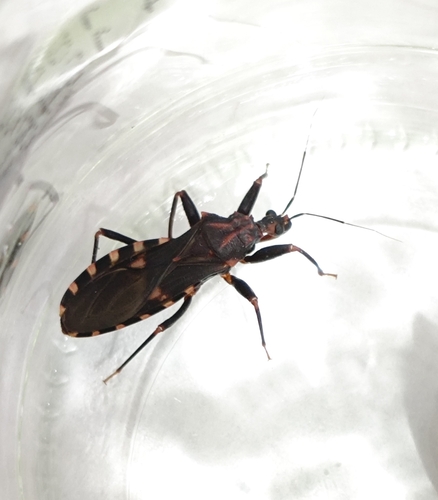
Opisthacidiini
tribeOpisthacidiini
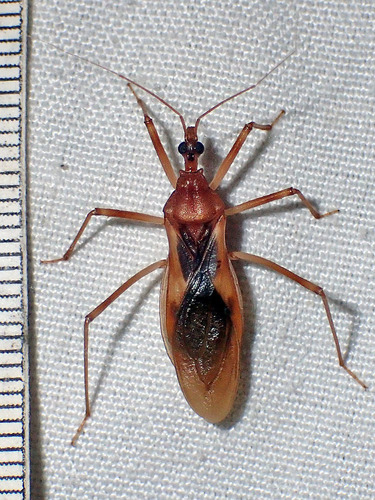
Zeluroidini
tribeZeluroidini
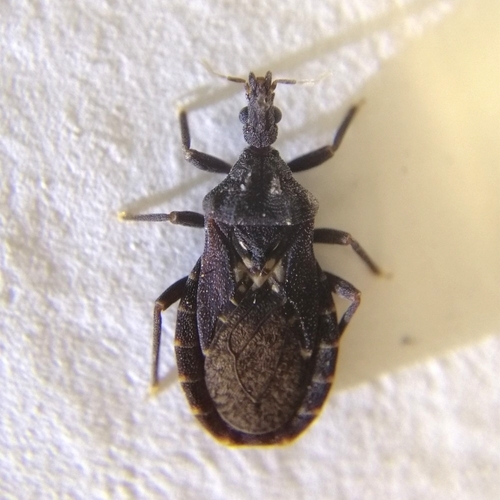
Bolboderini
tribeBolboderini
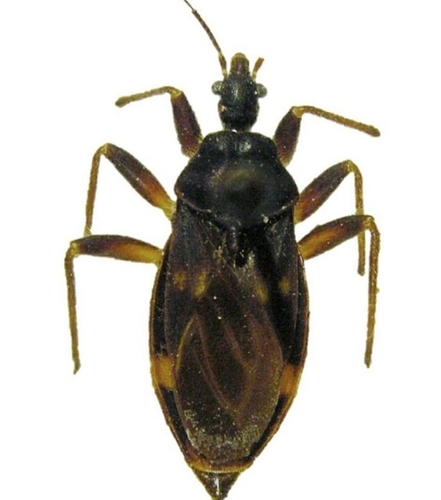
Cavernicolini
tribeCavernicolini
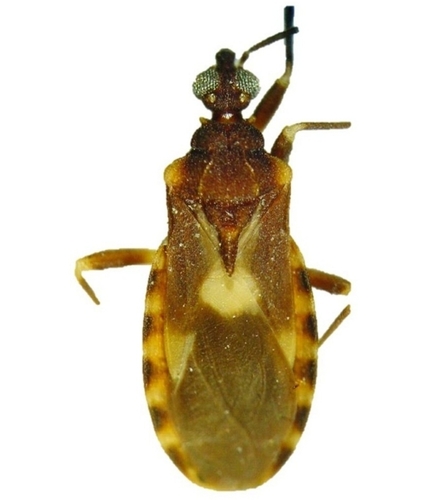
Alberproseniini
tribeAlberproseniini
Where it lives
Recorded sightings
—
geo-referenced records in GBIF, from museums, herbaria and field observers.
Drag the globe to turn it. Dots are where records exist, not a range map; darker means more records.
In the stacks
Searching the stacks…
Every page naming Triatominae in the Biodiversity Heritage Library →
This page is assembled live from iNaturalist, GBIF, Wikipedia, the Source Library and the Internet Archive. It is not yet part of the hand-edited codex. iNaturalist taxon 472290.