- Animals
- ›Arthropods
- ›Hexapods
- ›Insects
- ›Winged and Once-winged Insects
- ›Ants, Bees, Wasps, and Sawflies
- ›Narrow-waisted Wasps, Ants, and Bees
- ›Ants, Bees, and Stinging Wasps
- ›Formicoidea

Ants
Formicidae
Ants are eusocial insects of the family Formicidae and, along with the related wasps and bees, belong to the order Hymenoptera. Ants evolved from vespoid wasp ancestors in the Cretaceous period. More than 13,800 of an estimated total of 22,000 species have been described. They are easily identified by their geniculate (elbowed) antennae and the distinctive node-like structure that forms their slender waists.
Ants form colonies that range in size from a few dozen individuals often living in small natural cavities to highly organised colonies that may occupy large territories with a sizeable nest (or nests) that consist of millions of individuals. In some cases they reach hundreds of millions of individuals in super colonies. Typical colonies consist of various castes of sterile, wingless females, most of which are workers (ergates), as well as soldiers (dinergates) and other specialised groups. Nearly all ant colonies also have some fertile males called "drones" and one or more fertile females called "queens" (gynes). The colonies are described as superorganisms because the ants appear to operate as a unified entity, collectively working together to support the colony.
23 branches of this family, most-observed first

Formicine Ants
subfamilyFormicinae

Myrmicine Ants
subfamilyMyrmicinae

Odorous Ants
subfamilyDolichoderinae

Ponerine Ants
subfamilyPonerinae

Bull and Dinosaur Ants
subfamilyMyrmeciinae

Pseudomyrmecinae
subfamilyPseudomyrmecinae

Ectaheteromorph Ants
subfamilyEctatomminae

Army Ants and Allies
subfamilyDorylinae
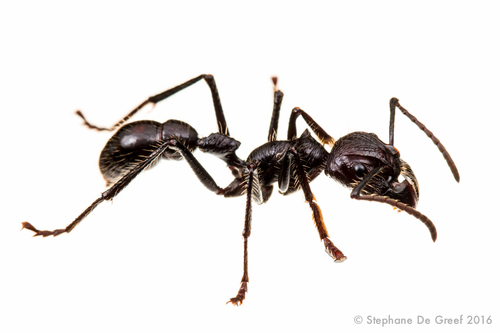
Paraponerinae
subfamilyParaponerinae
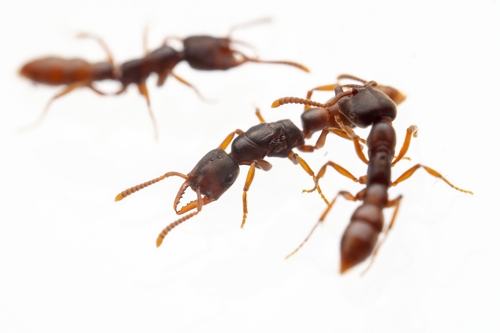
Vampire Ants
subfamilyAmblyoponinae

Proceratiine Ants
subfamilyProceratiinae

Leptanilline Ants
subfamilyLeptanillinae

Agroecomyrmecinae
subfamilyAgroecomyrmecinae

Relict Ants
subfamilyAneuretinae
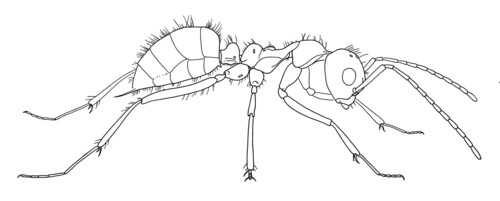
Sphecomyrminae
subfamilySphecomyrminae
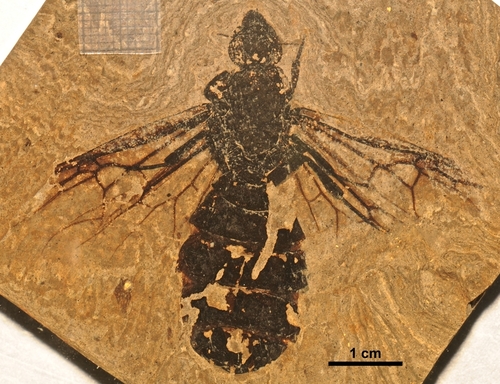
Formiciinae
subfamilyFormiciinae
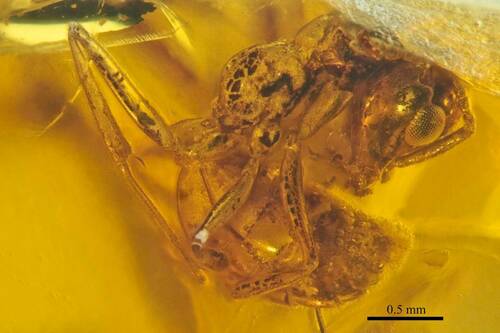
Brownimeciinae
subfamilyBrownimeciinae
Eoformica
genusEoformica
Armaniinae
subfamilyArmaniinae
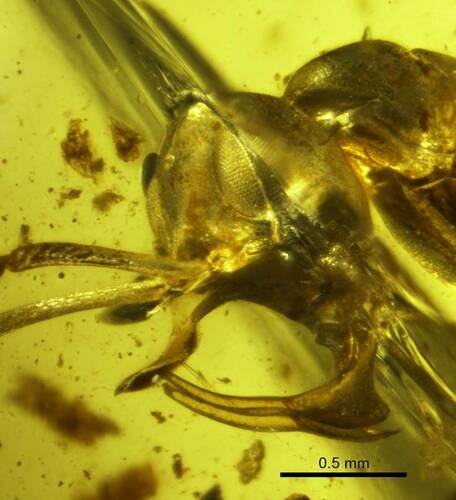
Hell Ants
subfamilyHaidomyrmecinae

Apomyrminae
subfamilyApomyrminae

Martialinae
subfamilyMartialinae
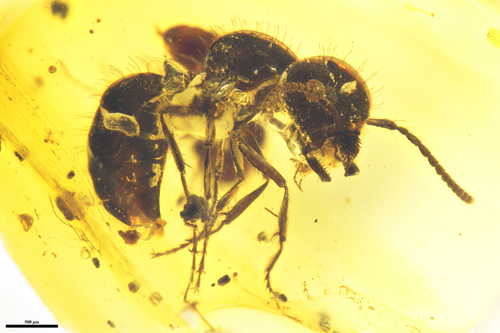
Zigrasimeciinae
subfamilyZigrasimeciinae
Where it lives
Recorded sightings
—
geo-referenced records in GBIF, from museums, herbaria and field observers.
Drag the globe to turn it. Dots are where records exist, not a range map; darker means more records.
In the stacks
Searching the stacks…
Every page naming Formicidae in the Biodiversity Heritage Library →
This page is assembled live from iNaturalist, GBIF, Wikipedia, the Source Library and the Internet Archive. It is not yet part of the hand-edited codex. iNaturalist taxon 47336.