
Damselflies
Zygoptera
Damselflies are flying insects of the suborder Zygoptera in the order Odonata. They are similar to dragonflies, which form the suborder Anisoptera, but are usually smaller and have slimmer bodies. Most species fold the wings along the body when at rest, unlike dragonflies which hold the wings flat and away from the body. Damselflies have existed since the Late Jurassic, and are found on every continent except Antarctica.
All damselflies are predatory insects: both nymphs and adults actively hunt and eat other insects. The nymphs are aquatic, with different species living in a variety of freshwater habitats including acidic bogs, ponds, lakes and rivers. The nymphs moult repeatedly, at the last moult climbing out of the water to undergo metamorphosis. The skin splits down the back, they emerge and inflate their wings and abdomen to gain their adult form. Their presence on a body of water indicates that it is relatively unpolluted, but their dependence on freshwater makes them vulnerable to damage to their wetland habitats.
4 branches of this suborder, most-observed first · about 3,370 known species

Coenagrionoid Damselflies
superfamilyCoenagrionoidea
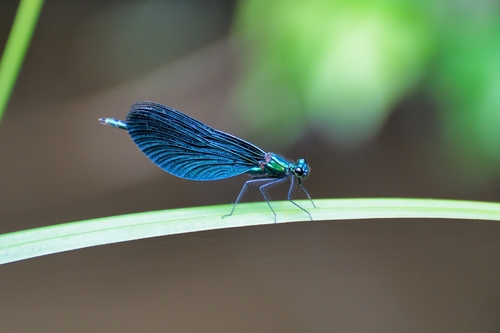
Calopterygoidea
superfamilyCalopterygoidea

Lestoidea
superfamilyLestoidea

Shadowdamsels
superfamilyPlatystictoidea
Where it lives
Recorded sightings
—
geo-referenced records in GBIF, from museums, herbaria and field observers.
Drag the globe to turn it. Dots are where records exist, not a range map; darker means more records.
In the stacks
Searching the stacks…
Every page naming Zygoptera in the Biodiversity Heritage Library →
This page is assembled live from iNaturalist, GBIF, Wikipedia, the Source Library and the Internet Archive. It is not yet part of the hand-edited codex. iNaturalist taxon 47928.