
nightshade family
Solanaceae
Solanaceae (), commonly known as the nightshades, is a family of flowering plants in the order Solanales. The family contains approximately 2,700 species, several of which are used as agricultural crops, medicinal plants, and ornamental plants. Many members of the family have high alkaloid contents, making some highly toxic, but many—such as tomatoes, potatoes, eggplants and peppers—are commonly used in food around the world.
Originating in South America, Solanaceae now inhabit every continent on Earth except Antarctica. After the K–Pg extinction event they rapidly diversified and have adapted to live in deserts, tundras, rainforests, plains, and highlands, and taken on wide range of forms including trees, vines, shrubs, and epiphytes. Nearly 80% of all nightshades are included in the subfamily Solanoideae, most of which are members of the type genus Solanum. Most taxonomists recognize six other subfamilies: Cestroideae, Goetzeoideae, Nicotianoideae, Petunioideae, Schizanthoideae, and Schwenkioideae, although nightshade taxonomy is still controversial. The genus Duckeodendron is sometimes placed in its own subfamily, Duckeodendroideae.
9 branches of this family, most-observed first
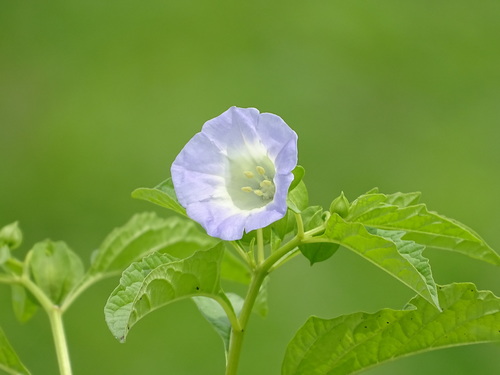
nightshades and allies
subfamilySolanoideae
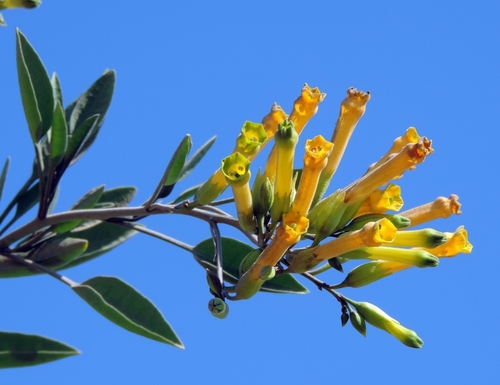
tobacco and allies
subfamilyNicotianoideae

petunias and allies
subfamilyPetunioideae

cestrums and allies
subfamilyCestroideae

butterfly flowers
subfamilySchizanthoideae
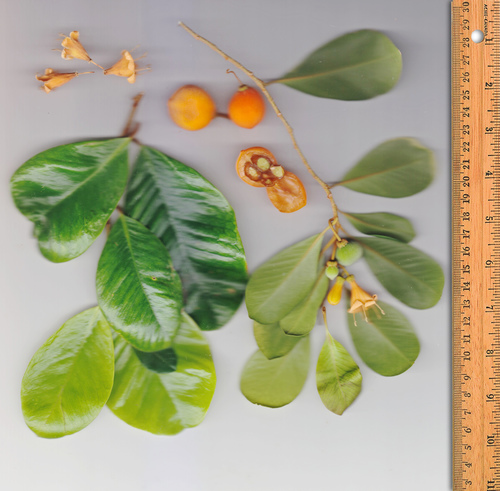
goetzeas and allies
subfamilyGoetzeoideae
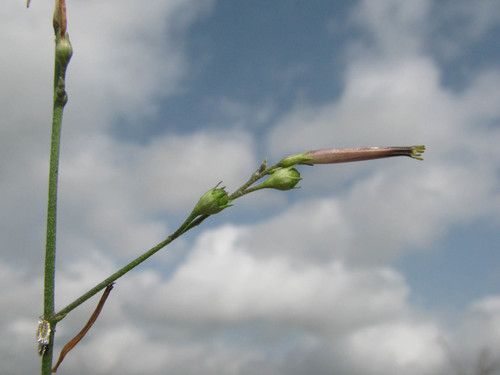
schwenckias and allies
subfamilySchwenckioideae
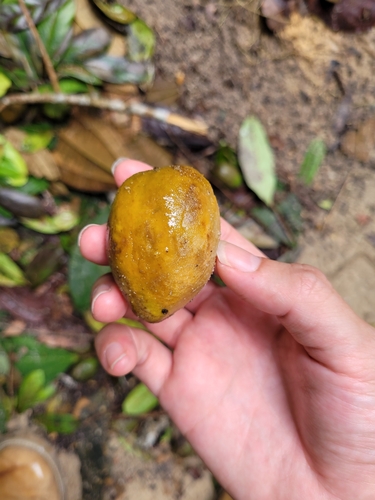
pupunharanas
subfamilyDuckeodendroideae
Atrichodendron
genusAtrichodendron
Where it lives
Recorded sightings
—
geo-referenced records in GBIF, from museums, herbaria and field observers.
Drag the globe to turn it. Dots are where records exist, not a range map; darker means more records.
In the stacks
Searching the stacks…
Every page naming Solanaceae in the Biodiversity Heritage Library →
This page is assembled live from iNaturalist, GBIF, Wikipedia, the Source Library and the Internet Archive. It is not yet part of the hand-edited codex. iNaturalist taxon 48516.