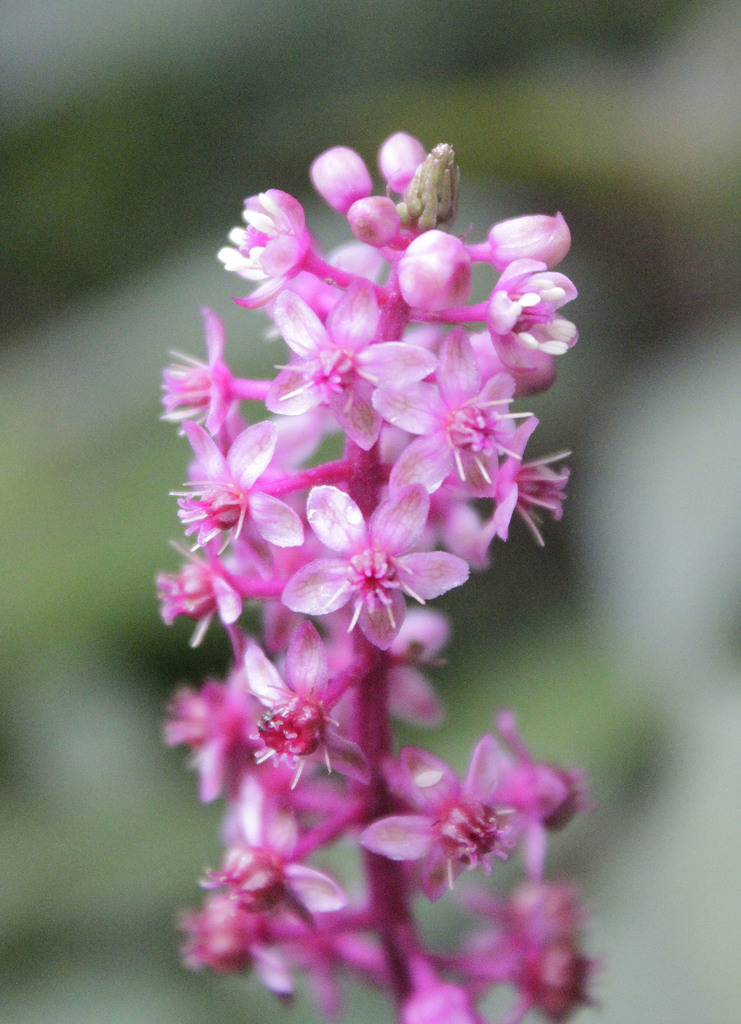
Pokeweeds
Phytolacca
Phytolacca is a genus of perennial plants native to North America, South America, East Asia and New Zealand. Some members of the genus are known as pokeweeds or similar names such as pokebush, pokeberry, pokeroot or poke sallet. Other names for species of Phytolacca include inkberry and ombú. The generic name is derived from the Greek word φυτόν (phyton), meaning "plant," and the Latin word lacca, a red dye. Phytolaccatoxin and phytolaccigenin are present in many...
24 branches of this genus, most-observed first
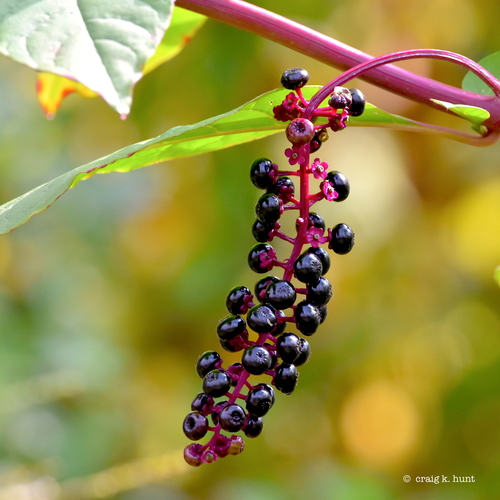
American pokeweed
speciesPhytolacca americana
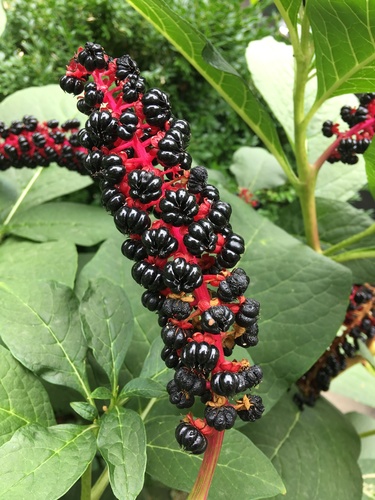
Indian Pokeweed
speciesPhytolacca acinosa
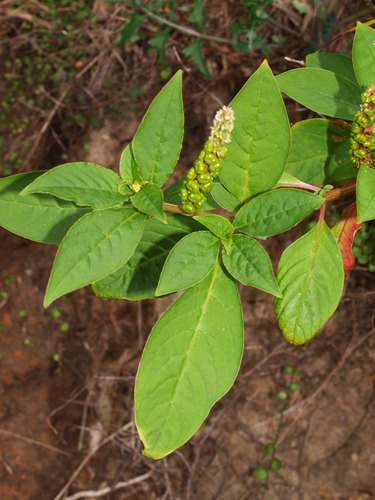
Inkweed
speciesPhytolacca octandra
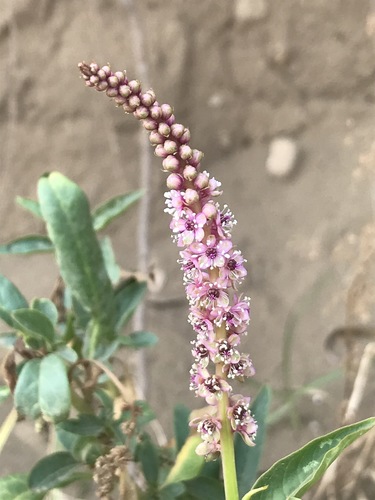
Tropical Pokeweed
speciesPhytolacca icosandra
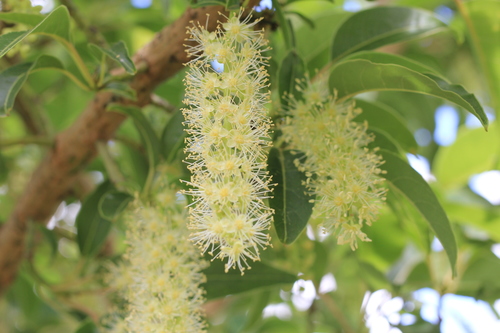
Ombu
speciesPhytolacca dioica
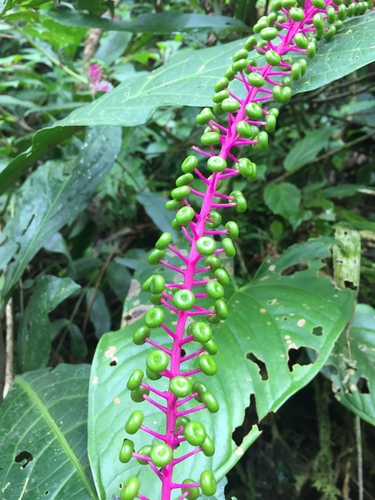
Venezuelan pokeweed
speciesPhytolacca rivinoides

Phytolacca rugosa
speciesPhytolacca rugosa
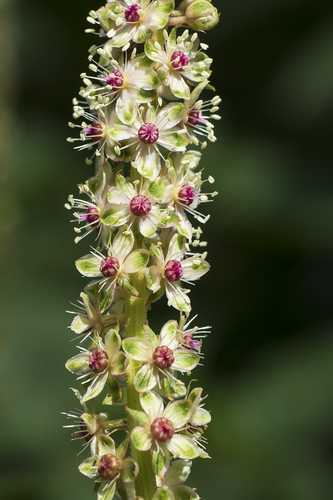
Mexican pokeweed
speciesPhytolacca heterotepala
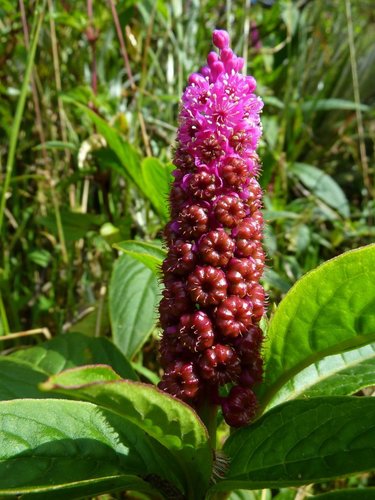
Andean Pokeweed
speciesPhytolacca bogotensis
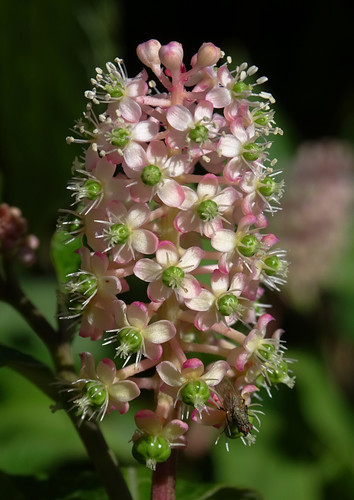
Japanese Pokeweed
speciesPhytolacca japonica
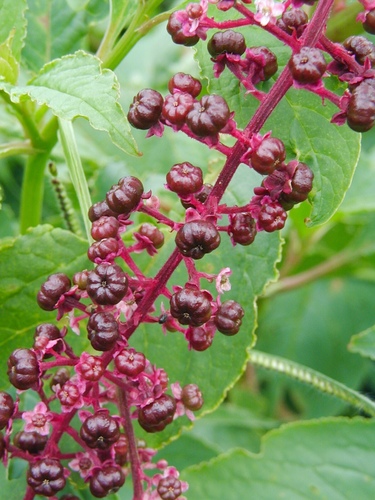
Brazilian Pokeweed
speciesPhytolacca thyrsiflora

Chinese Pokeweed
speciesPhytolacca polyandra

African Soapberry
speciesPhytolacca dodecandra

pōpolo kū mai
speciesPhytolacca sandwicensis
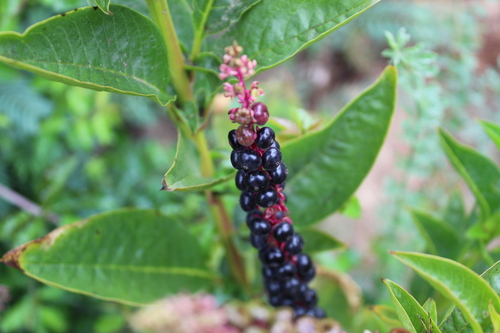
Chilean Pokeweed
speciesPhytolacca chilensis
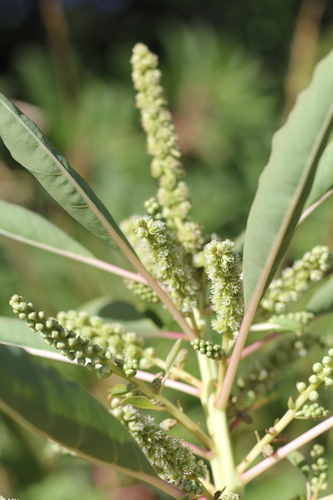
Phytolacca tetramera
speciesPhytolacca tetramera
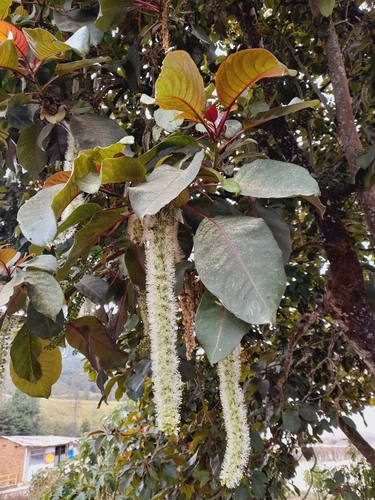
Phytolacca weberbaueri
speciesPhytolacca weberbaueri

Levantine Pokeweed
speciesPhytolacca pruinosa

Wild Sweet Potato
speciesPhytolacca heptandra
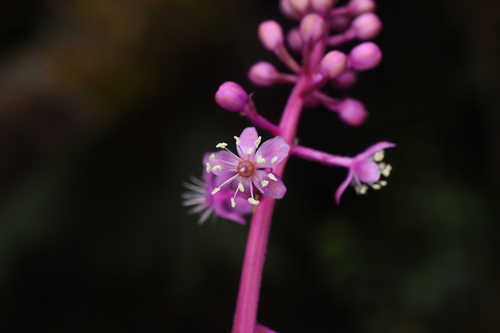
Phytolacca meziana
speciesPhytolacca meziana
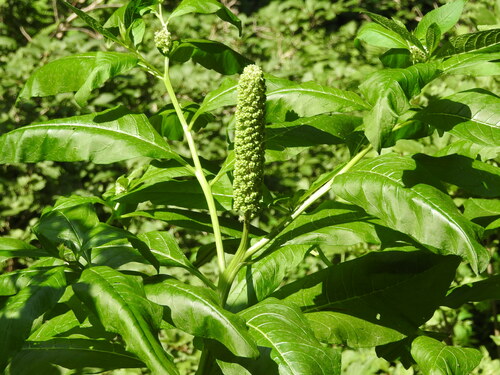
Nepal Pokeweed
speciesPhytolacca latbenia
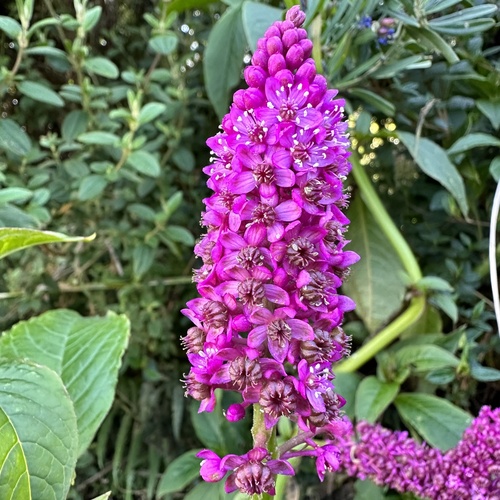
Phytolacca sanguinea
speciesPhytolacca sanguinea
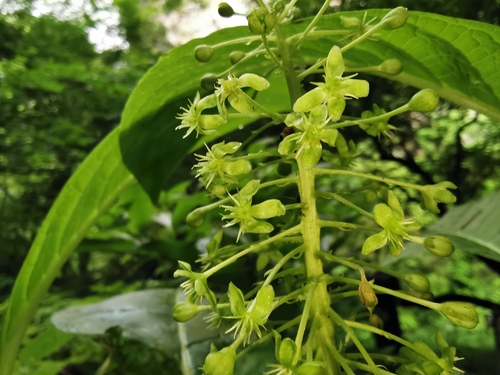
Phytolacca exiensis
speciesPhytolacca exiensis
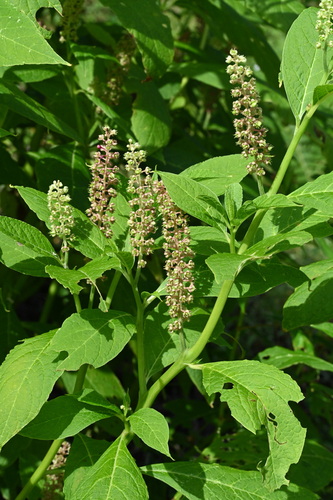
Phytolacca yunnanensis
speciesPhytolacca yunnanensis
Where it lives
Recorded sightings
—
geo-referenced records in GBIF, from museums, herbaria and field observers.
Drag the globe to turn it. Dots are where records exist, not a range map; darker means more records.
In the old herbals & bestiaries


In the stacks
Searching the stacks…
Every page naming Phytolacca in the Biodiversity Heritage Library →
This page is assembled live from iNaturalist, GBIF, Wikipedia, the Source Library and the Internet Archive. It is not yet part of the hand-edited codex. iNaturalist taxon 48601.