Sudden oak death
Phytophthora ramorum
Phytophthora ramorum is the oomycete known to cause the disease sudden oak death (SOD). The disease kills oak and other species of trees and has had devastating effects on the oak populations in California and Oregon, as well as being present in Europe. Symptoms include bleeding cankers on the tree's trunk and dieback of the foliage, in many cases leading to the death of the tree.
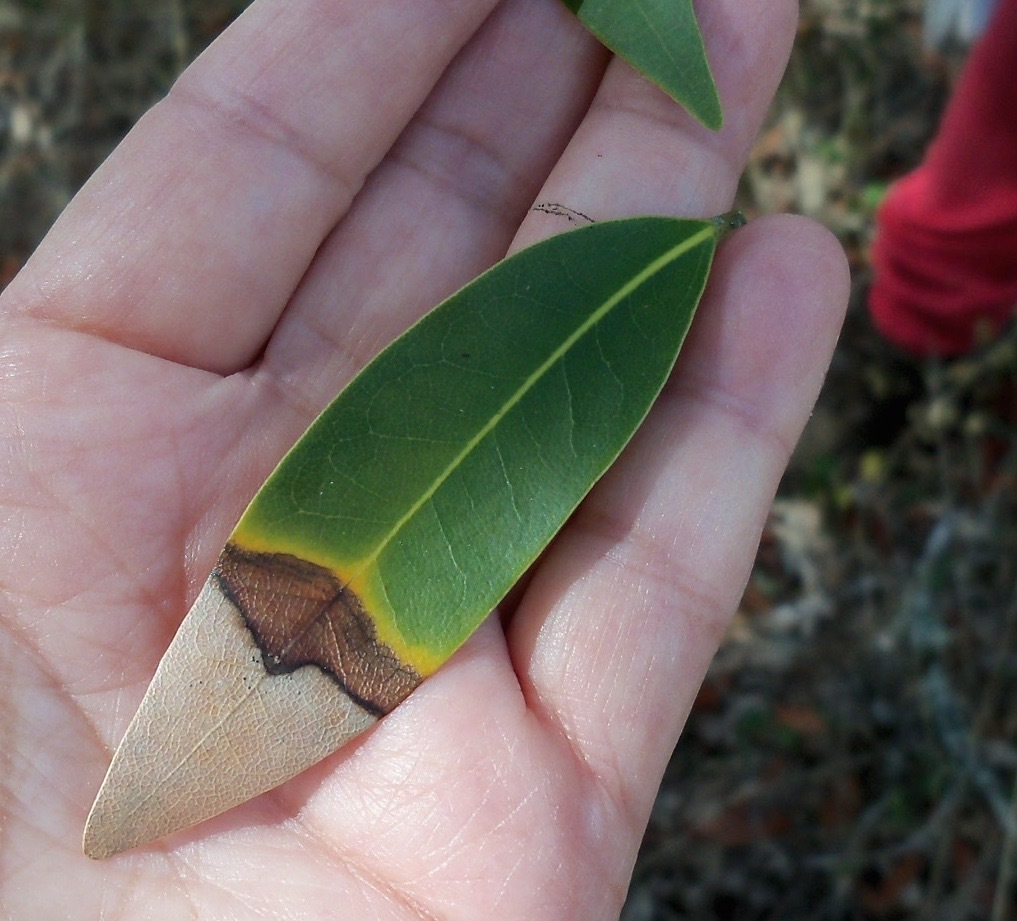
P. ramorum also infects a great number of other plant species, significantly woody ornamentals such as Rhododendron, Viburnum, and Pieris, causing foliar symptoms known as ramorum dieback or ramorum blight. Such plants can act as a source of inoculum for new infections, with the pathogen producing spores that can be transmitted by rainsplash and rainwater.
From the article Phytophthora ramorum on Wikipedia (CC BY-SA), quoted section by section
How it is grown
Since U.S. regulators in 2004 discovered that P. ramorum had spread nationwide to a number of hosts, proactive inspections of agricultural shipments have been shown to help reduce the risk of infestations of sudden oak death. Moreover, the USDA's APHIS specifically plans to stop the spread of SOD by continuing their public outreach program and by passing regulations on the transfer of agricultural products that might be a disease vector for P. ramorum. Indeed, in Oregon and California, the USDA has successfully regulated the stock of potential host plants at nurseries to "starve" the disease of potential plant hosts. Furthermore, when managing it in nurseries, it is important to consider that nursery personnel are often required to visit sites in the field such as greenhouses, fields, and other nurseries. Therefore, a number of biosecurity measures must be taken to ensure that SOD is not unintentionally transferred to one's nursery, including driving vehicles only on paved, concrete, or gravel areas at inspection sites in order avoid contact with soil organic matter that could pose as a potential disease vector.
Wikipedia: “Management in agriculture”
Where it lives
Recorded sightings
—
geo-referenced records in GBIF, from museums, herbaria and field observers.
Drag the globe to turn it. Dots are where records exist, not a range map; darker means more records.
In the stacks
Searching the stacks…
Every page naming Phytophthora ramorum in the Biodiversity Heritage Library →
This page is assembled live from iNaturalist, GBIF, Wikipedia, the Source Library and the Internet Archive. It is not yet part of the hand-edited codex. iNaturalist taxon 48802.