- Fungi Including Lichens
- ›Basidiomycete Fungi
- ›Higher Basidiomycetes
- ›Mushrooms, Bracket Fungi, Puffballs, and Allies
- ›Agaricomycetidae
- ›Common Gilled Mushrooms and Allies
- ›Tricholomatineae
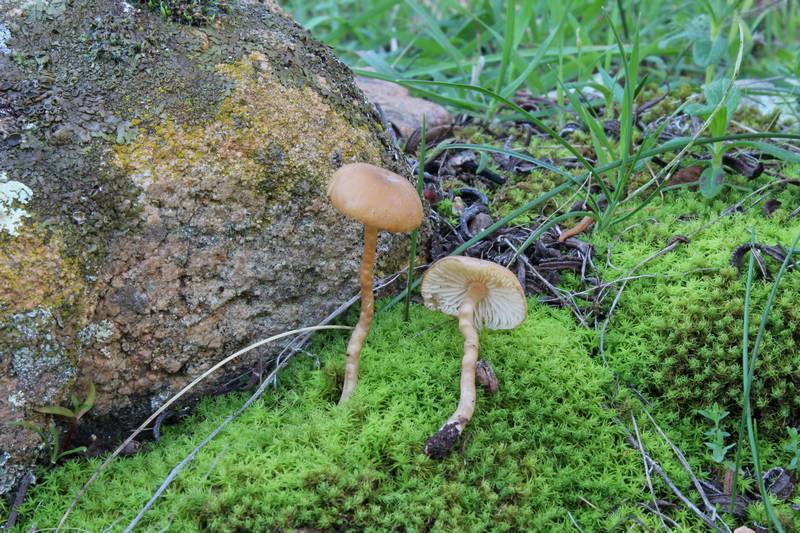
Pseudoomphalina
Pseudoomphalina is a genus of fungi placed in the family Tricholomataceae for convenience. The genus contains six species that are widespread in northern temperate areas. Pseudoomphalina was circumscribed by Rolf Singer in 1956. Pseudoomphalina was found to be paraphyletic to Neohygrophorus in a molecular phylogenetics study and since Pseudoomphalina is an older name, Neohygrophyorus was synonymized with it. The type species of Neohygrophorus was Neohygrophorus angelesianus, now Pseudoomphalina angelesiana. In earlier classifications based on anatomy prior to DNA sequence-based classifications, its unusual combination of features led taxonomists to independently create two subgenera in two genera: Hygrophorus subg. Pseudohygrophorus and Clitocybe subg. Mutabiles; the latter based on Neohygrophorus angelesianus but described under a new species name which is now placed in synonymy, Clitocybe mutabilis. All species of Pseudoomphalina are united by the presence of clamp-connections in their hyphae, an interwoven gill trama and amyloid spores. Pseudoomphalina angelesiana possesses grey-violaceous pigments
that turn red in alkali solutions and lacks filiform, hyphal sterile elements in its hymenium and stipitipellis. These were features used to distinguish it from Pseudoomphalina as a genus, but Pseudoomphalina umbrinopurpurascens possesses these same pigments and the filiform elements of Pseudoomphalina. Molecular phylogenetics studies have also found some former species of Pseudoomphalina to belong in other genera.
9 branches of this genus, most-observed first

Pseudoomphalina angelesiana
speciesPseudoomphalina angelesiana
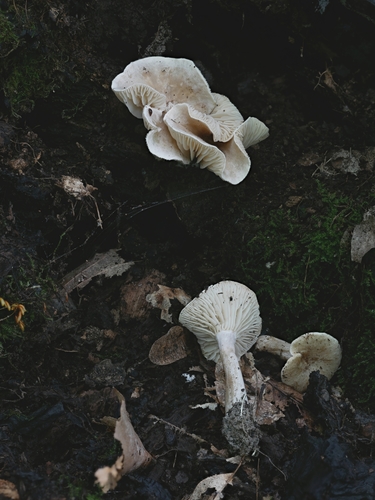
Pseudoomphalina compressipes
speciesPseudoomphalina compressipes
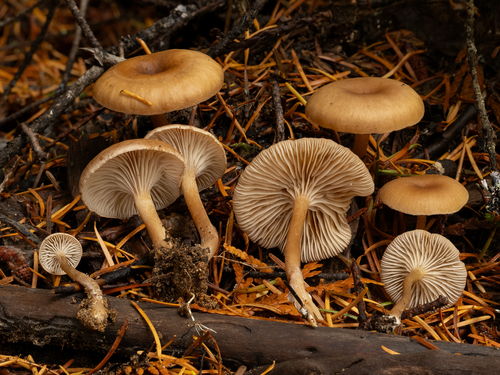
Pseudoomphalina intermedia
speciesPseudoomphalina intermedia
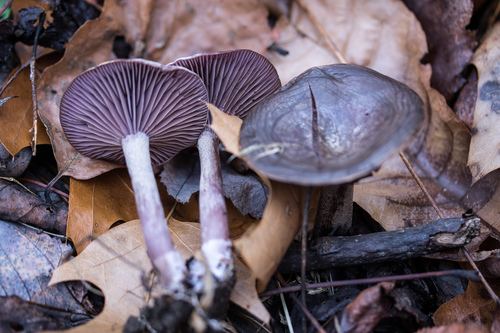
Pseudoomphalina cokeri
speciesPseudoomphalina cokeri
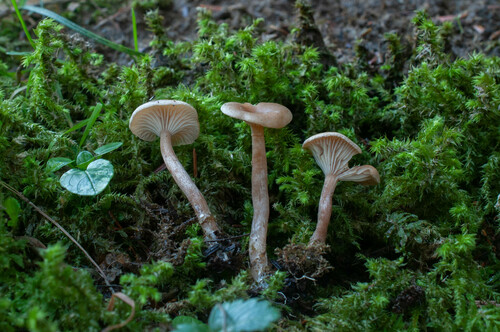
Pseudoomphalina kalchbrenneri
speciesPseudoomphalina kalchbrenneri
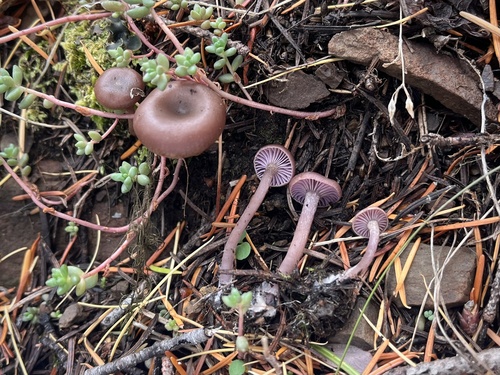
Pseudoomphalina sp. 'PNW02'
speciesPseudoomphalina sp. 'PNW02'
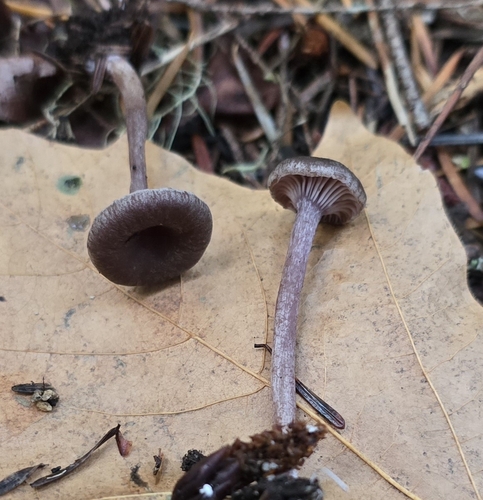
Pseudoomphalina sp. 'WA01'
speciesPseudoomphalina sp. 'WA01'
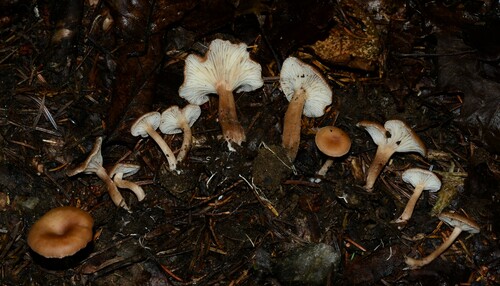
Pseudoomphalina anticostica
speciesPseudoomphalina anticostica
Pseudoomphalina khanspurensis
speciesPseudoomphalina khanspurensis
Where it lives
Recorded sightings
—
geo-referenced records in GBIF, from museums, herbaria and field observers.
Drag the globe to turn it. Dots are where records exist, not a range map; darker means more records.
In the stacks
Searching the stacks…
Every page naming Pseudoomphalina in the Biodiversity Heritage Library →
This page is assembled live from iNaturalist, GBIF, Wikipedia, the Source Library and the Internet Archive. It is not yet part of the hand-edited codex. iNaturalist taxon 499690.