- Animals
- ›Arthropods
- ›Hexapods
- ›Insects
- ›Winged and Once-winged Insects
- ›Flies
- ›Nematoceran Flies
- ›Crane Flies
- ›Typical Crane Flies
- ›Large Crane Flies
- ›Ctenophorinae

Ctenophora
Ctenophora is a genus of true crane flies. The species are large (about 20 millimetres (0.79 in) long, with wingspans of 25 millimetres (0.98 in)), shiny black craneflies with large yellow, orange, or red markings to mimic wasps. Males have comb-like antennae. The larvae are saproxylic. The species are confined to old deciduous forests, orchards, and other habitats with continuity of the presence of dying and fallen trees. Ctenophora species are important bioindicators.
Ctenophora is distinguished from related genera (Dictenidia Brulle, Phoroctenia Coquillett) by these characteristic combinations. The segments of the antennae of the males have two pairs of outgrowths, the lower pair longer than upper pair. The antennae of the female are distinctly 13-segmented, and often indistinctly serrated. The sides of the mesothorax bear long bristles. Sternite 8 of the female is without dentate protuberances.
18 branches of this genus, most-observed first

orange-sided comb-horn
speciesCtenophora pectinicornis

Ctenophora festiva
speciesCtenophora festiva

Ctenophora ornata
speciesCtenophora ornata

Ctenophora flaveolata
speciesCtenophora flaveolata
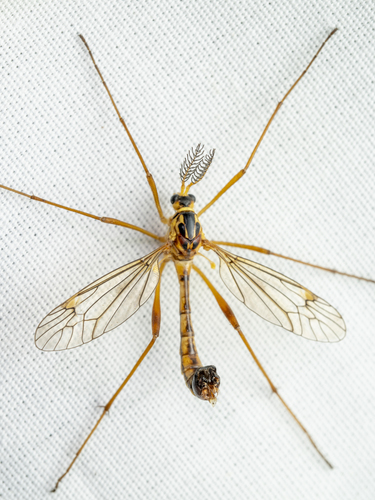
Ctenophora nubecula
speciesCtenophora nubecula
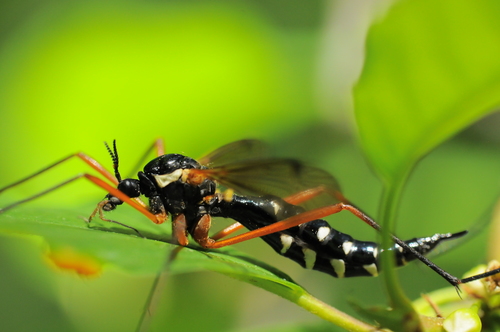
Ctenophora guttata
speciesCtenophora guttata

Ctenophora elegans
speciesCtenophora elegans

Ctenophora apicata
speciesCtenophora apicata

Ctenophora fastuosa
speciesCtenophora fastuosa

Ctenophora pselliophoroides
speciesCtenophora pselliophoroides
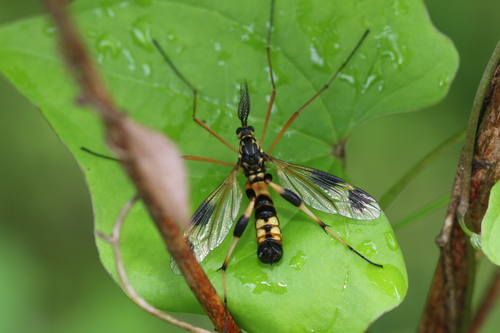
Ctenophora nohirae
speciesCtenophora nohirae
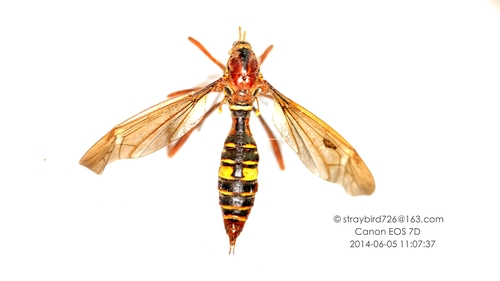
Ctenophora tricolor
speciesCtenophora tricolor
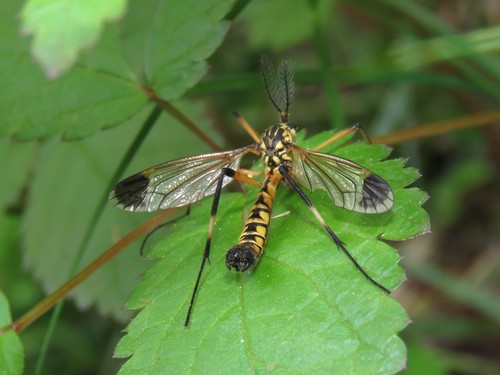
Ctenophora yezoana
speciesCtenophora yezoana
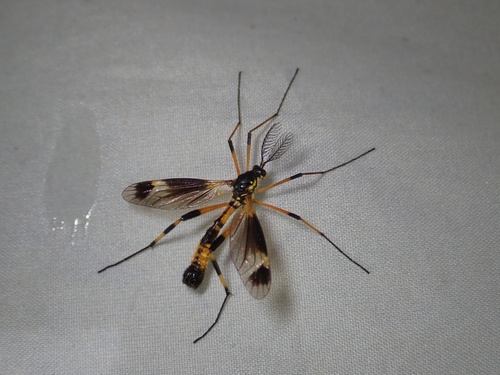
Ctenophora ishiharai
speciesCtenophora ishiharai
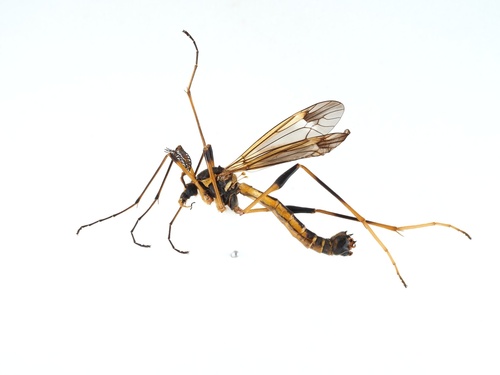
Ctenophora nikkoensis
speciesCtenophora nikkoensis
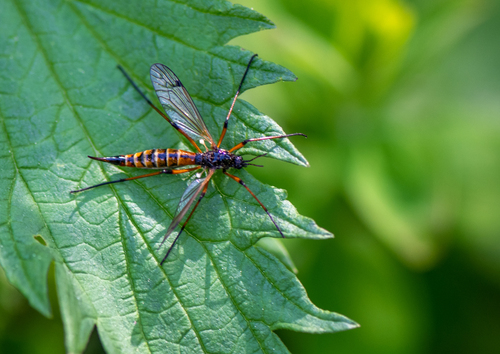
Ctenophora nigriceps
speciesCtenophora nigriceps
Ctenophora laneipes
speciesCtenophora laneipes
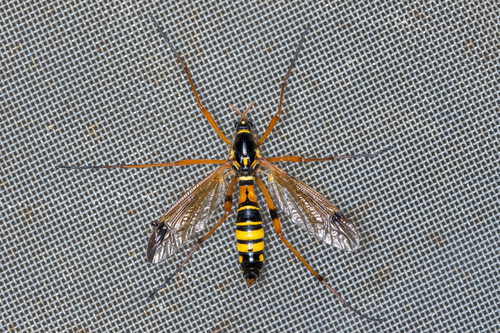
Ctenophora magnifica
speciesCtenophora magnifica
Where it lives
Recorded sightings
—
geo-referenced records in GBIF, from museums, herbaria and field observers.
Drag the globe to turn it. Dots are where records exist, not a range map; darker means more records.
In the stacks
Searching the stacks…
Every page naming Ctenophora in the Biodiversity Heritage Library →
This page is assembled live from iNaturalist, GBIF, Wikipedia, the Source Library and the Internet Archive. It is not yet part of the hand-edited codex. iNaturalist taxon 51503.