- Plants
- ›Vascular Plants
- ›flowering plants
- ›Dicots
- ›Heathers, Balsams, Primroses, and Allies
- ›phlox family
- ›Polemonium
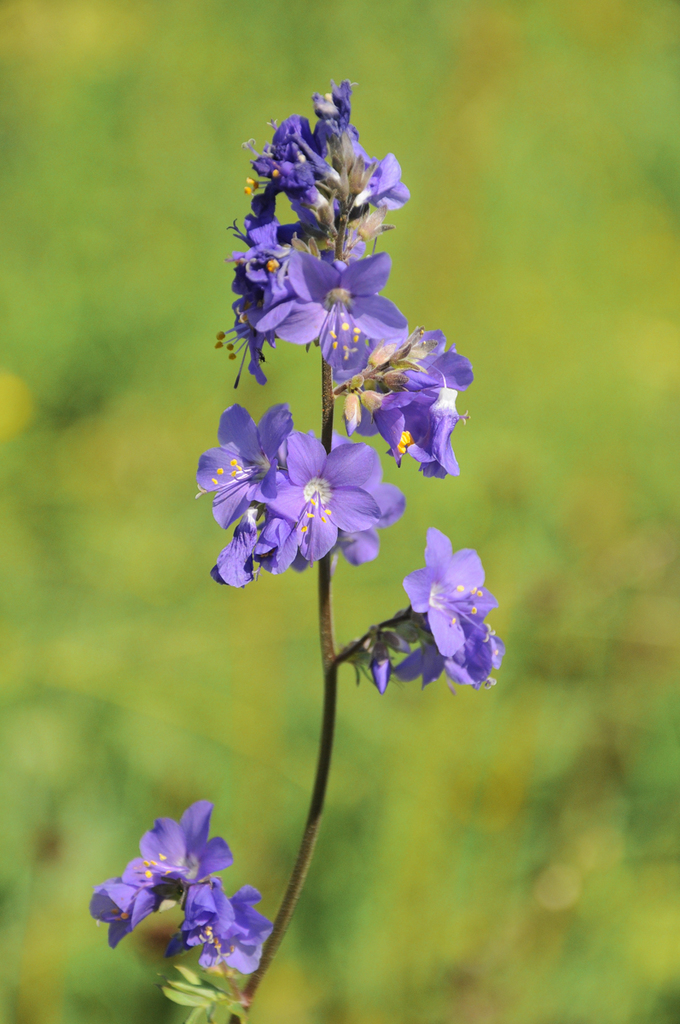
Blue Jacob's Ladder
Polemonium caeruleum
Polemonium caeruleum, known as Jacob's-ladder or Greek valerian, is a hardy perennial flowering plant. The plant produces cup-shaped, blue or white flowers. It is native to temperate regions of Europe. It is the type species of the phlox family, Polemoniaceae.
From the article Polemonium caeruleum on Wikipedia (CC BY-SA), quoted section by section
Range & habitat
The plant is native to damp grasslands, woodlands, meadows and rocky areas in temperate areas of Europe and northern Asia.
Wikipedia: “Habitat”
At the table
Polemonium caeruleum was voted the county flower of Derbyshire in 2002 following a poll by the wild plant conservation charity Plantlife.
Wikipedia: “Other uses”
How it is grown
The plant normally prefers soil that is rich in moisture and lime with partial shade. Normally hardy, some cultivars (e.g. 'Blue Pearl') behave as tender biennials, which means they are effectively annuals in cooler climates (below hardiness zone 6). The plant is known to have a few landscape uses as well such as attracting beneficial insects. The plant itself is convenient for container planting due to the shape of its growth. The flower may be presented as a cut flower or foliage and may be added to bouquets for its pleasant smell. It can be grown in a perennial border or rock garden. Cultivars include:
'Album' (white flowered) 'Blue Pearl' 'Brise d'Anjou' 'White Pearl' (white flowered) 'Snow and Sapphires' (variegated foliage) The plant does not have serious insect or disease problems. Leaf spot and powdery mildew can be problems, particularly in humid climates. The foliage may scorch if the plant gets too much sunlight. The leaflet tips will brown if soils are allowed to dry out. The foliage will generally decline and become less attractive as the summer progresses. It is important to keep an eye out for slugs.
Wikipedia: “Cultivation”
Where it lives
Recorded sightings
—
geo-referenced records in GBIF, from museums, herbaria and field observers.
Drag the globe to turn it. Dots are where records exist, not a range map; darker means more records.
In the stacks
Searching the stacks…
Every page naming Polemonium caeruleum in the Biodiversity Heritage Library →
This page is assembled live from iNaturalist, GBIF, Wikipedia, the Source Library and the Internet Archive. It is not yet part of the hand-edited codex. iNaturalist taxon 51704.