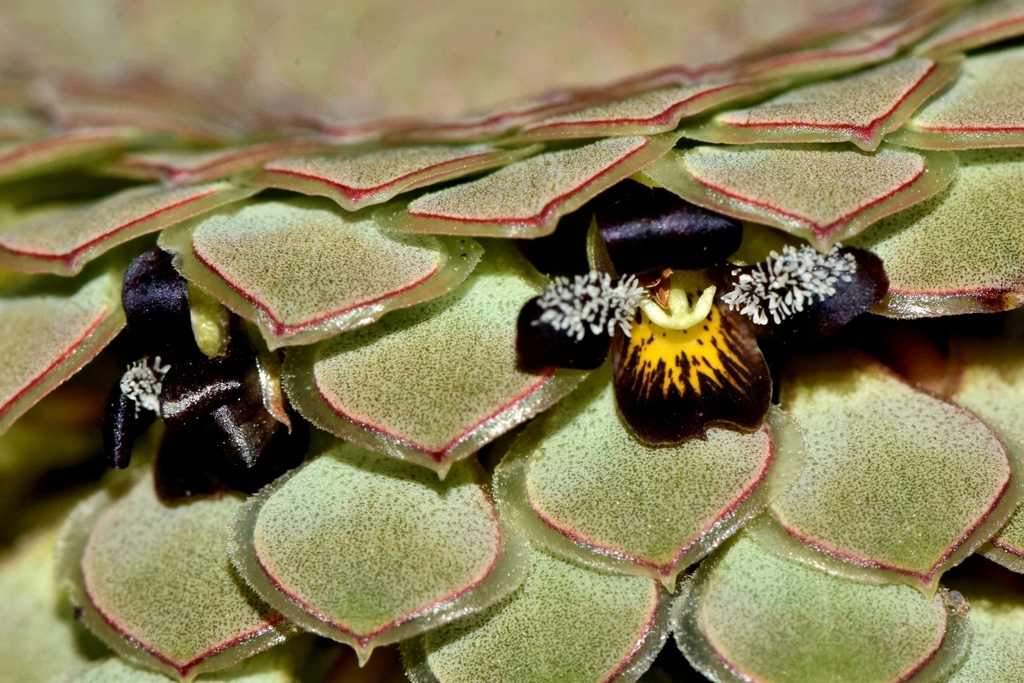
Nances, Willows, and Allies
Malpighiales
The Malpighiales comprise one of the largest orders of flowering plants, containing about 16,000 species, about 7.8% of the eudicots. The order is very diverse, containing plants as different as the willow, violet, poinsettia, and coca plant, and are hard to recognize except with molecular phylogenetic evidence. It is not part of any of the classification systems based only on plant morphology. Molecular clock calculations estimate the origin of stem group Malpighiales at around 100 million...
36 branches of this order, most-observed first
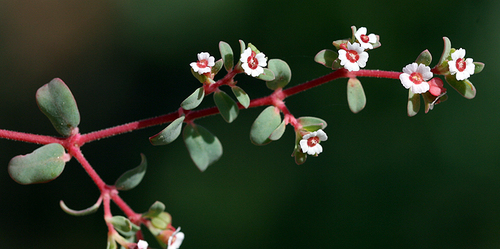
Spurge Family
familyEuphorbiaceae

willow family
familySalicaceae
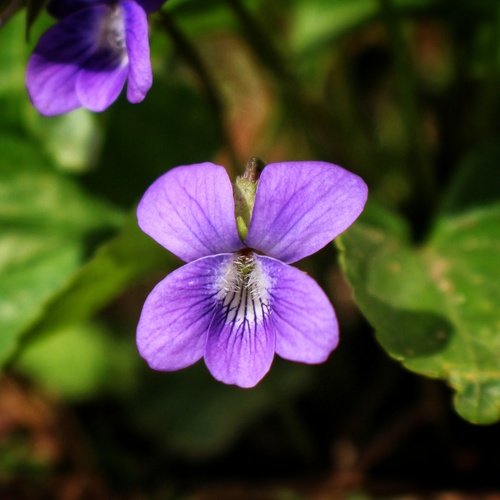
Violet Family
familyViolaceae

St. John's wort family
familyHypericaceae

Passionfruit Family
familyPassifloraceae

Leaf-flower Family
familyPhyllanthaceae

Flax Family
familyLinaceae

nance family
familyMalpighiaceae
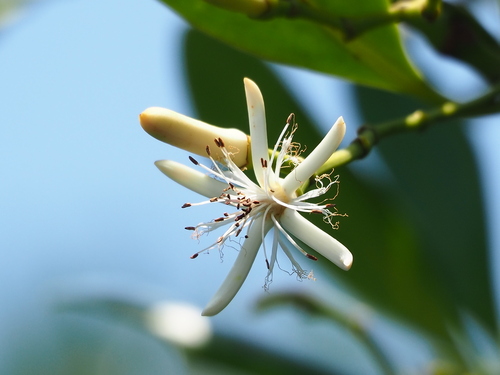
Red Mangrove Family
familyRhizophoraceae

attorney tree family
familyClusiaceae

ochna family
familyOchnaceae

Coco Plum Family
familyChrysobalanaceae

acharia family
familyAchariaceae
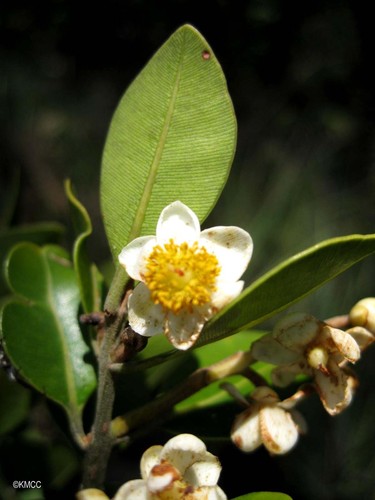
calophyllum family
familyCalophyllaceae
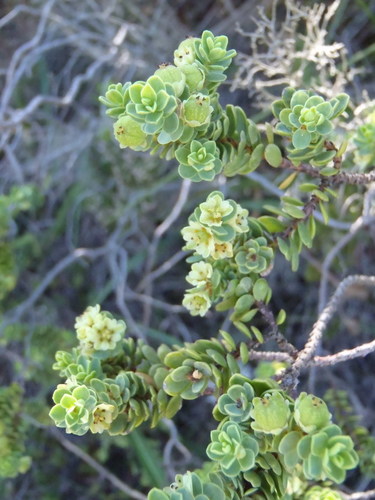
pera family
familyPeraceae

picrodendron family
familyPicrodendraceae

coca family
familyErythroxylaceae
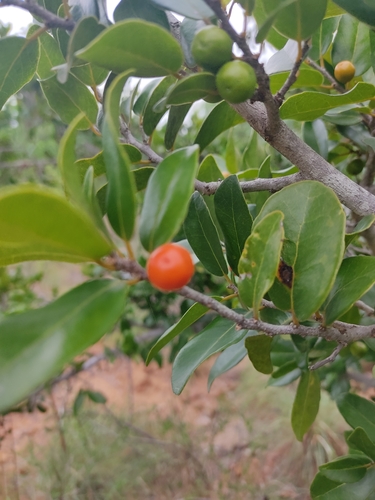
ironplum family
familyPutranjivaceae

rafflesia family
familyRafflesiaceae
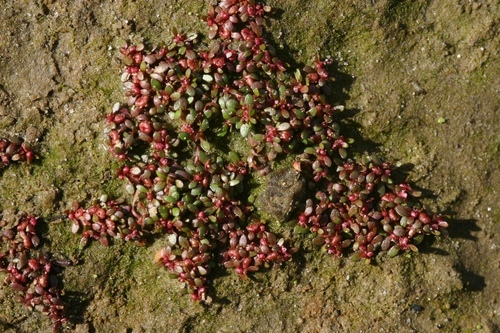
waterwort family
familyElatinaceae
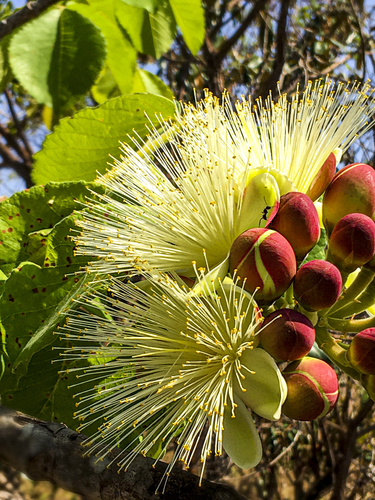
souari family
familyCaryocaraceae

riverweed family
familyPodostemaceae

gifblaar family
familyDichapetalaceae
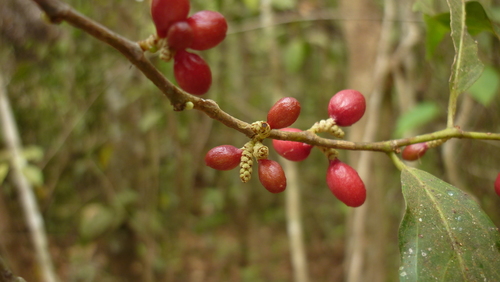
lacistema family
familyLacistemataceae
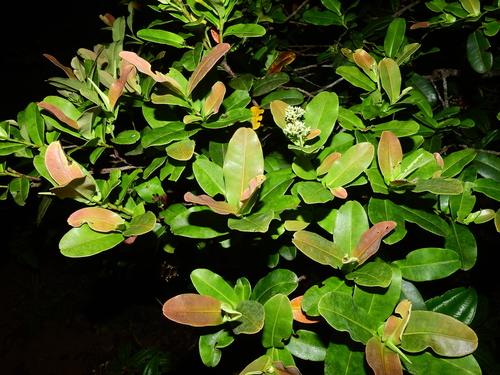
humiria family
familyHumiriaceae
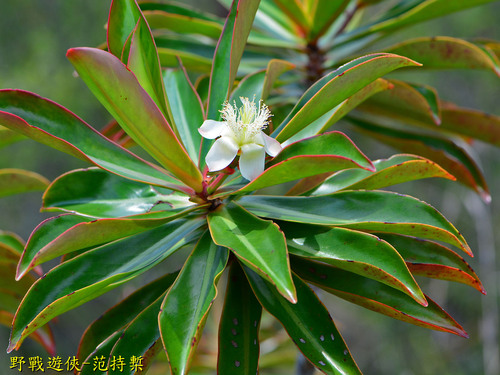
bonnetia family
familyBonnetiaceae
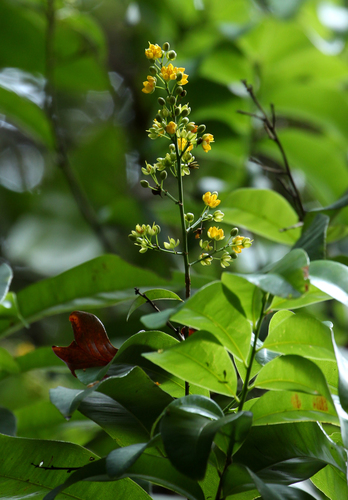
nian mu family
familyIxonanthaceae

African mango family
familyIrvingiaceae
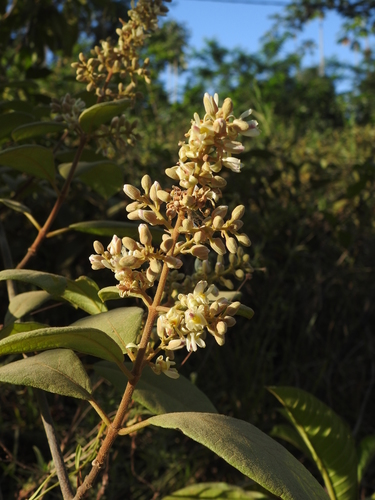
Trigoniaceae
familyTrigoniaceae
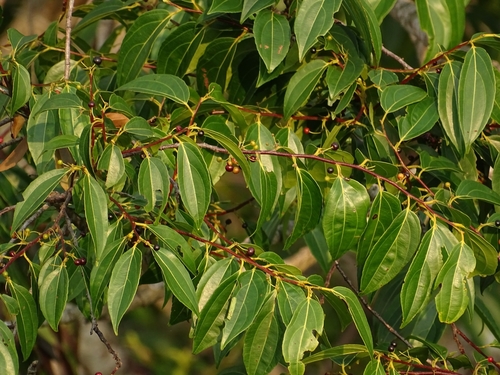
goupia family
familyGoupiaceae
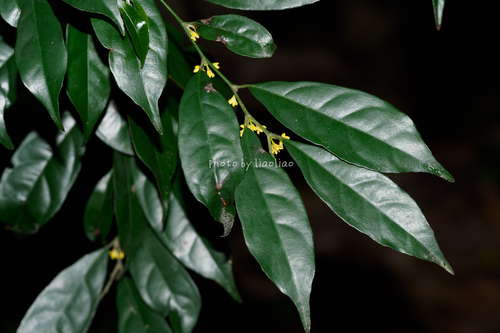
kana family
familyPandaceae
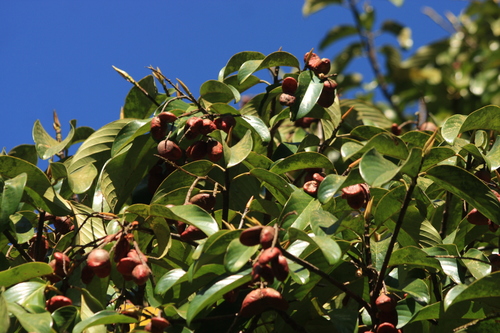
centroplacus family
familyCentroplacaceae
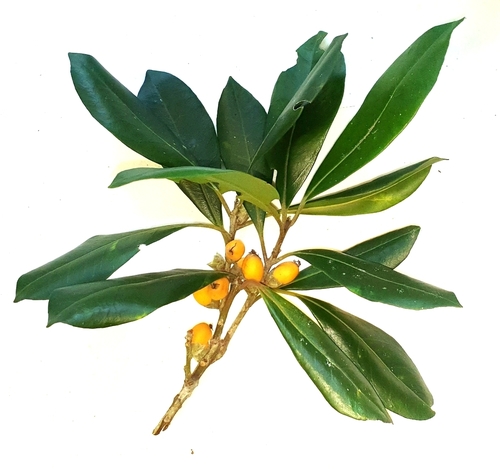
balanops family
familyBalanopaceae
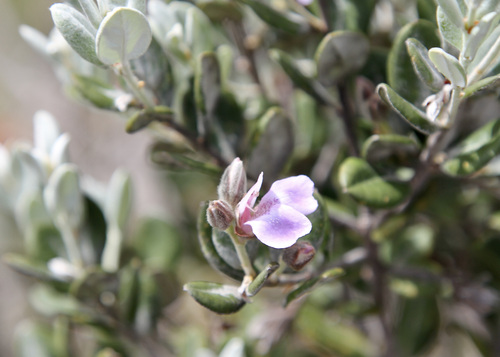
euphronia family
familyEuphroniaceae
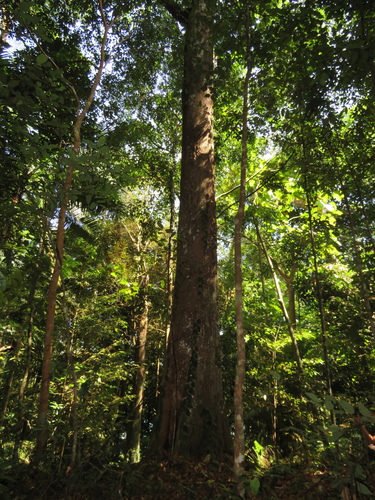
ctenolophon family
familyCtenolophonaceae
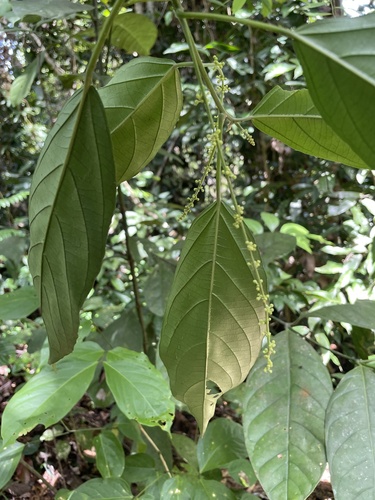
lophopyxis family
familyLophopyxidaceae
Where it lives
Recorded sightings
—
geo-referenced records in GBIF, from museums, herbaria and field observers.
Drag the globe to turn it. Dots are where records exist, not a range map; darker means more records.
In the stacks
Searching the stacks…
Every page naming Malpighiales in the Biodiversity Heritage Library →
This page is assembled live from iNaturalist, GBIF, Wikipedia, the Source Library and the Internet Archive. It is not yet part of the hand-edited codex. iNaturalist taxon 51820.