- Animals
- ›Arthropods
- ›Hexapods
- ›Insects
- ›Winged and Once-winged Insects
- ›True Bugs, Hoppers, Aphids, and allies
- ›True Bugs
- ›Cimicomorph Bugs
- ›Cimicoidea
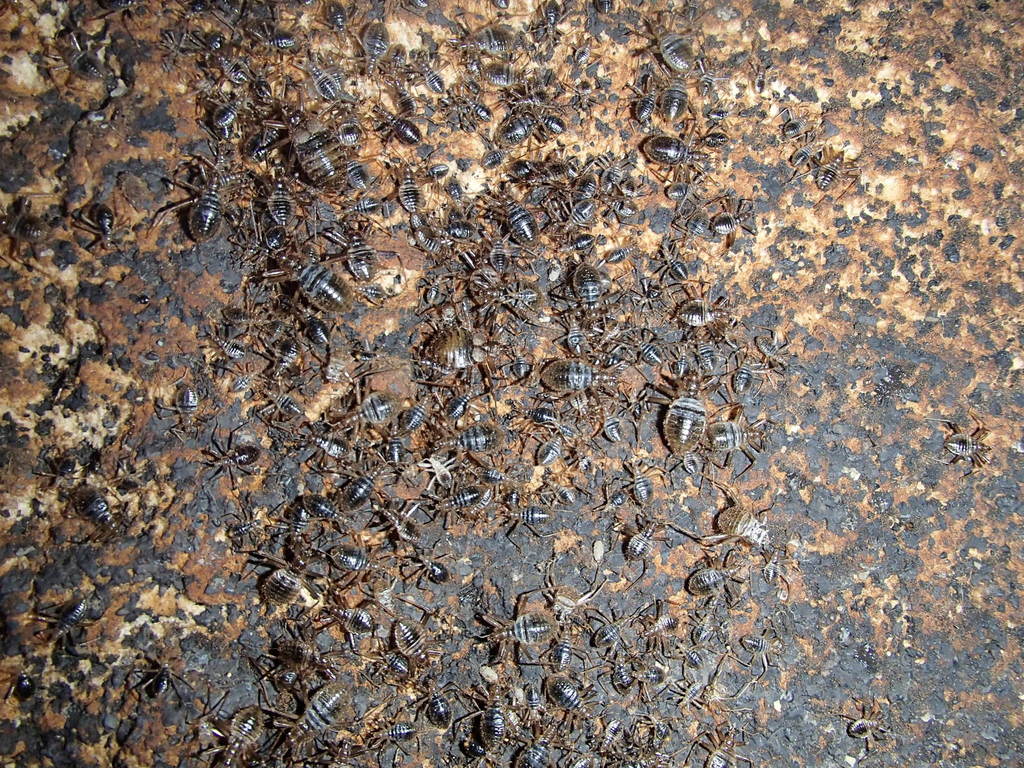
Bed Bugs
Cimicidae
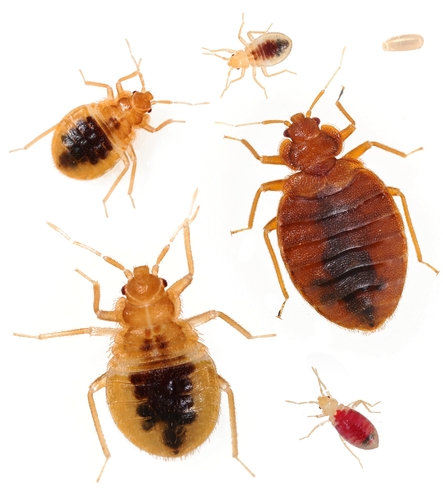
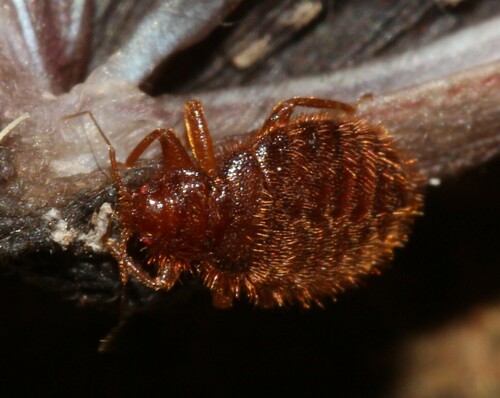
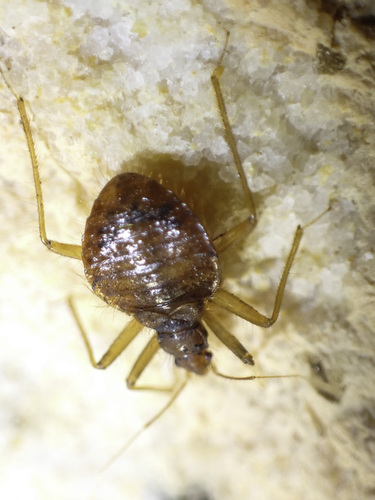
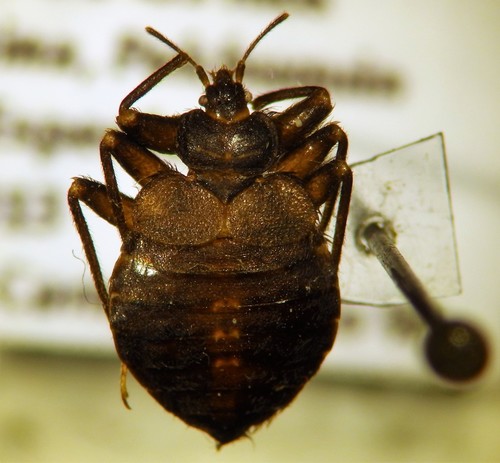
The Cimicidae are a family of small parasitic bugs that feed exclusively on the blood of warm-blooded animals. They are called cimicids or, loosely, bed bugs, though the latter term properly refers to the most well-known member of the family, Cimex lectularius, the common bed bug, and its tropical relation Cimex hemipterus. The family contains over 100 species. Cimicids appeared in the fossil record in the Cretaceous period. When bats evolved in the Eocene, Cimicids switched hosts and now feed mainly on bats or birds. Members of the group have colonised humans on three occasions.
Cimicids usually feed on their host's blood every three to seven days, crawling away from the host and hiding while they digest the blood, which may take several days. This means that they specialise in vertebrate hosts that return regularly to particular sites to nest, roost or sleep. Birds and bats suit these specific requirements, as do humans now that they live in dwellings, and these are the main hosts used by the bugs. Most cimicids are able to go for long periods without feeding, over a year in some instances.

Where it lives
Recorded sightings
—
geo-referenced records in GBIF, from museums, herbaria and field observers.
Drag the globe to turn it. Dots are where records exist, not a range map; darker means more records.
In the stacks
Searching the stacks…
Every page naming Cimicidae in the Biodiversity Heritage Library →
This page is assembled live from iNaturalist, GBIF, Wikipedia, the Source Library and the Internet Archive. It is not yet part of the hand-edited codex. iNaturalist taxon 53667.