- Animals
- ›Arthropods
- ›Hexapods
- ›Insects
- ›Winged and Once-winged Insects
- ›Cockroaches and Termites
- ›Typical Cockroaches and Termites
- ›Termites
- ›Higher Termites
- ›Mandibulate Nasute Termites
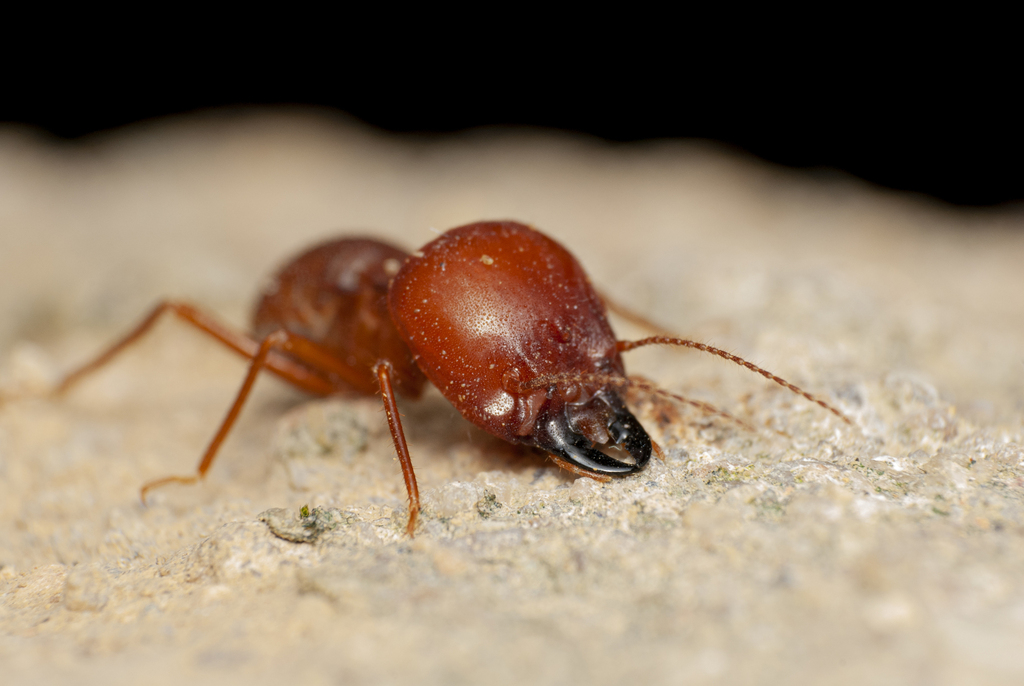
Syntermes
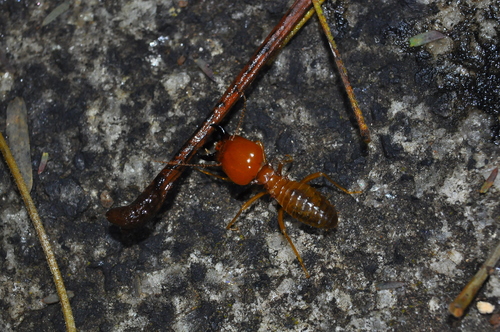
Syntermes is a genus of large Neotropical higher termites within the subfamily Syntermitinae. The genus is found only in South America where members are distributed widely throughout the continent, being found from the tropical rainforests of Colombia to the savannas of Brazil and Northern Argentina.
Most known species forage in the open and collect either leaf or grass litter which is stored in subterranean chambers for later consumption. The nests are primarily subterranean with epigeal mound structures built from loose dirt of varying compactness. Some species, such as Syntermes dirus, construct highly impressive mounds with the most well known being found in a large complex of mounds spanning an area the size of Great Britain in northeastern Brazil. The mounds in this complex average 2.5 meters tall and 9 meters wide and are estimated to be as old as 4,000 years. Large species such as Syntermes aculeosus are eaten in some indigenous cultures; for example in the Makiritare in the Alto Orinoco province of Venezuela, where they fish the soldiers out via a stick. A few species are known to cause some damage to cultivated plants like young Eucalyptus, peanuts, sugarcane and yams.
24 branches of this genus, most-observed first

Syntermes molestus
speciesSyntermes molestus
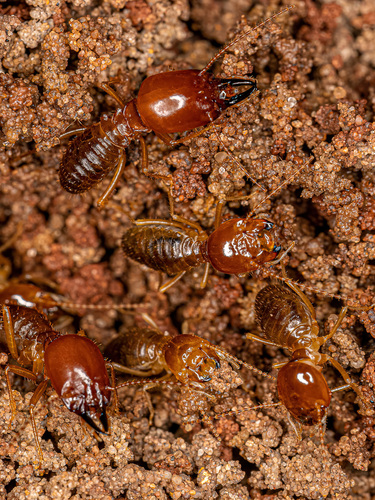
Syntermes nanus
speciesSyntermes nanus
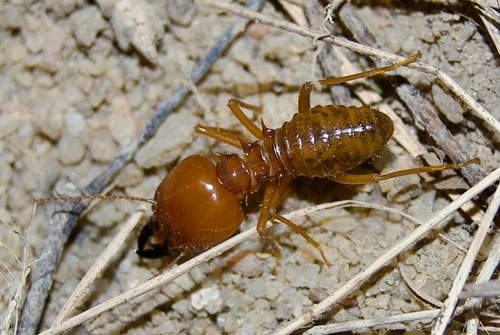
Syntermes dirus
speciesSyntermes dirus
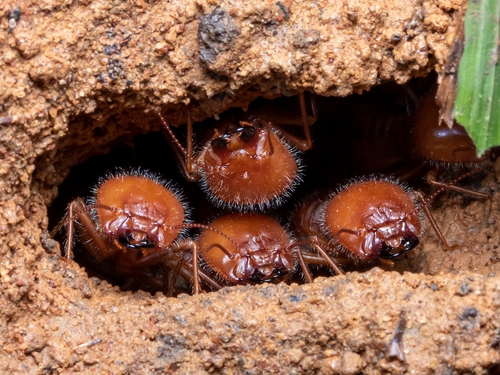
Syntermes aculeosus
speciesSyntermes aculeosus
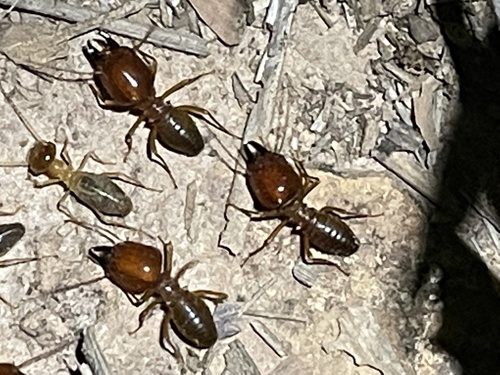
Syntermes praecellens
speciesSyntermes praecellens
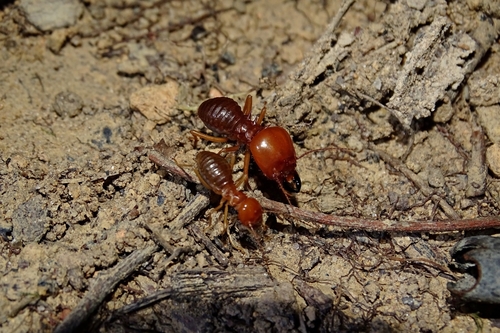
Syntermes spinosus
speciesSyntermes spinosus
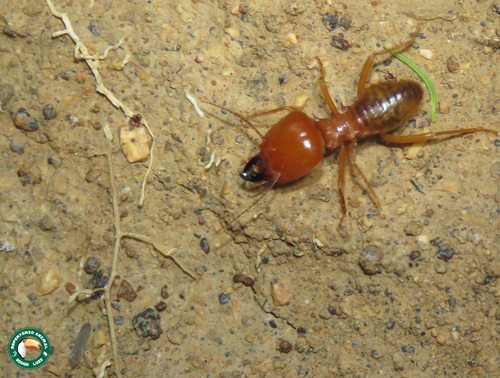
Syntermes grandis
speciesSyntermes grandis
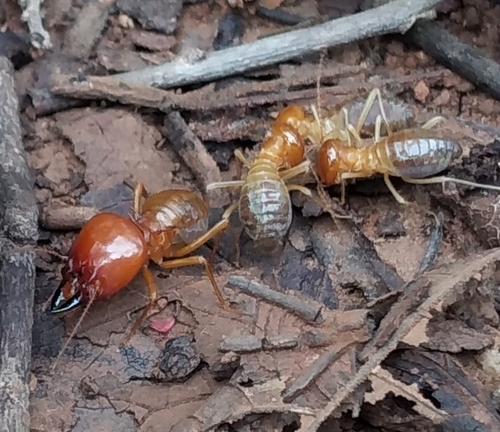
Syntermes obtusus
speciesSyntermes obtusus

Syntermes territus
speciesSyntermes territus

Syntermes barbatus
speciesSyntermes barbatus
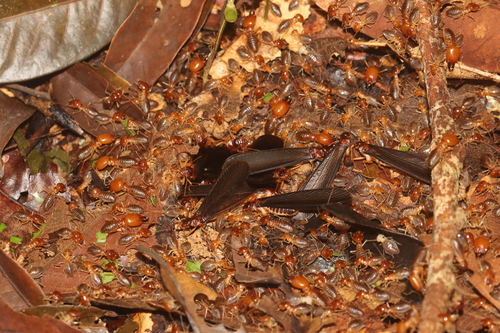
Syntermes parallelus
speciesSyntermes parallelus
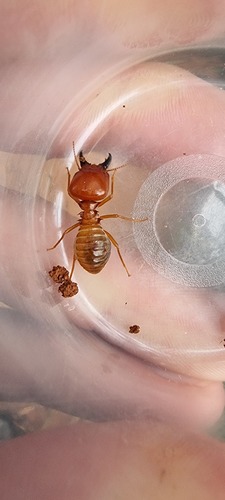
Syntermes wheeleri
speciesSyntermes wheeleri
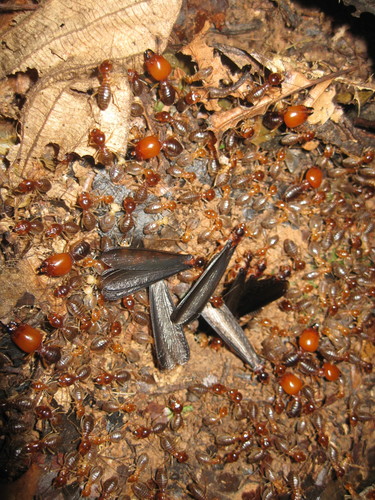
Syntermes brevimalatus
speciesSyntermes brevimalatus
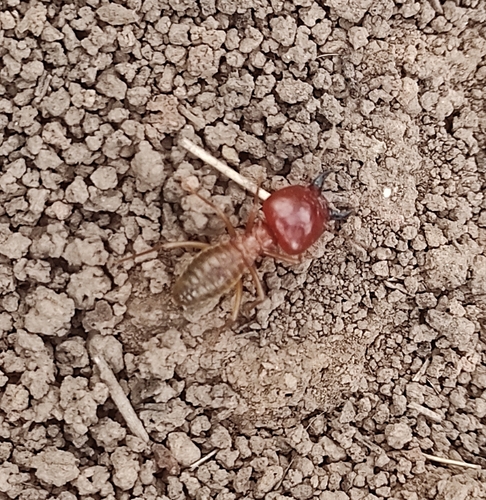
Syntermes bolivianus
speciesSyntermes bolivianus
Syntermes cearensis
speciesSyntermes cearensis
Syntermes silvestri
speciesSyntermes silvestri
Syntermes peruanus
speciesSyntermes peruanus
Syntermes tanygnathus
speciesSyntermes tanygnathus
Syntermes calvus
speciesSyntermes calvus
Syntermes chaquimayensis
speciesSyntermes chaquimayensis
Syntermes crassilabrum
speciesSyntermes crassilabrum
Syntermes insidians
speciesSyntermes insidians
Syntermes longiceps
speciesSyntermes longiceps
Syntermes magnoculus
speciesSyntermes magnoculus
Where it lives
Recorded sightings
—
geo-referenced records in GBIF, from museums, herbaria and field observers.
Drag the globe to turn it. Dots are where records exist, not a range map; darker means more records.
In the stacks
Searching the stacks…
Every page naming Syntermes in the Biodiversity Heritage Library →
This page is assembled live from iNaturalist, GBIF, Wikipedia, the Source Library and the Internet Archive. It is not yet part of the hand-edited codex. iNaturalist taxon 548075.