- Animals
- ›Arthropods
- ›Hexapods
- ›Insects
- ›Winged and Once-winged Insects
- ›True Bugs, Hoppers, Aphids, and allies
- ›True Hoppers
- ›Planthoppers
- ›Fulgoroidea
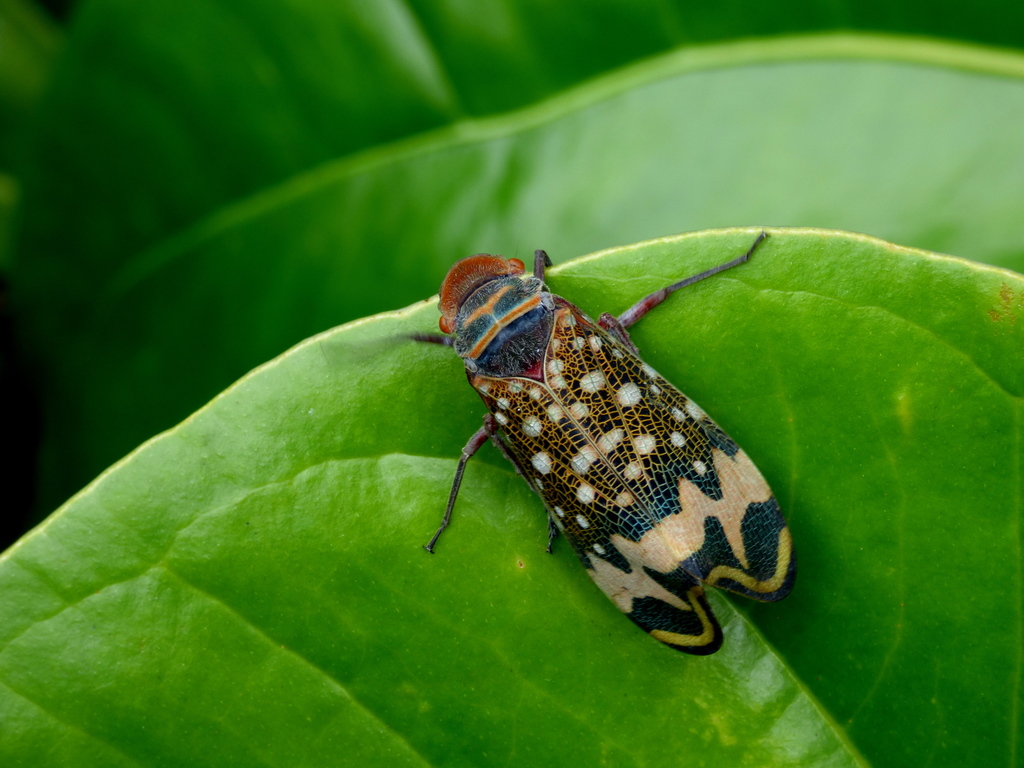
Lanternflies
Fulgoridae
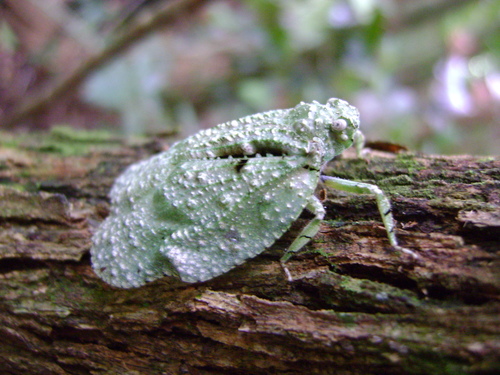
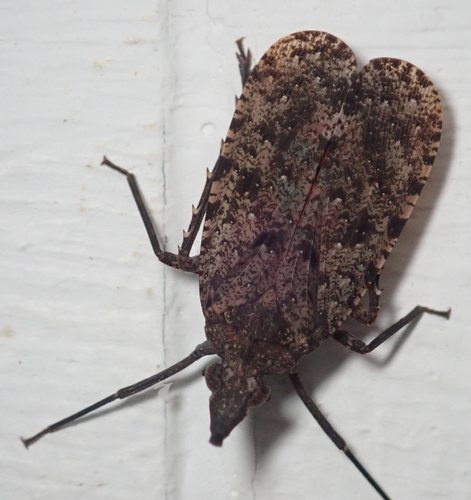
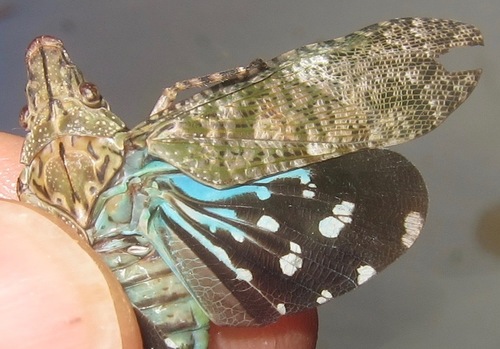
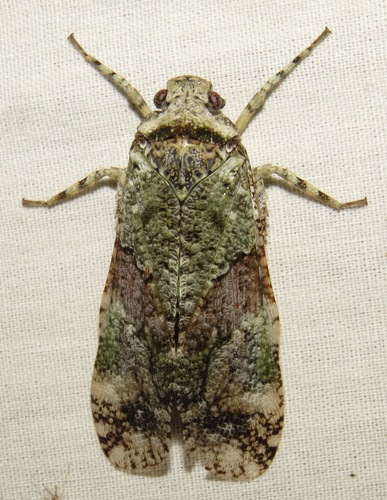
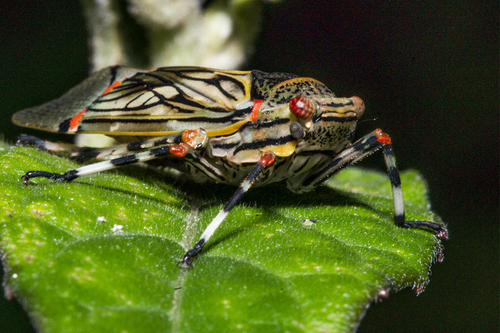
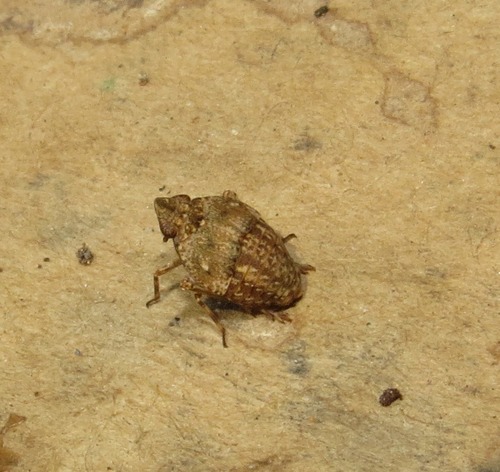
The family Fulgoridae is a large group of hemipteran insects, especially abundant and diverse in the tropics, containing over 125 genera worldwide. They are mostly of moderate to large size, many with a superficial resemblance to Lepidoptera due to their brilliant and varied coloration. Various genera and species (especially the genera Fulgora and Pyrops) are sometimes referred to as lanternflies or lanthorn flies.
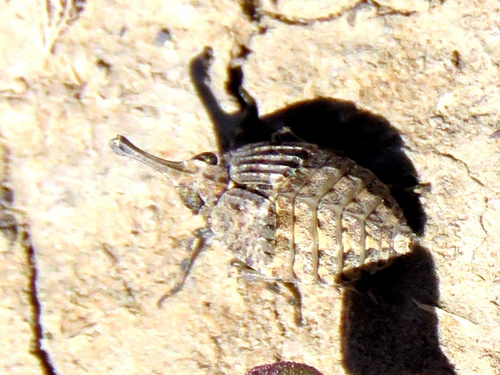
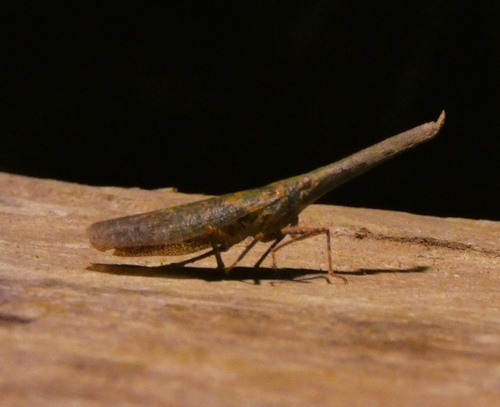
The head of some species is produced into a hollow process, resembling a snout, which is sometimes inflated and nearly as large as the body of the insect, sometimes elongated, narrow and apically upturned. It was believed, mainly on the authority of Maria Sibylla Merian, that this process, the so-called lantern, was luminous at night in the living insect. Carl Linnaeus adopted the statement without question and coined a number of specific names, such as laternaria, phosphorea and candelaria to illustrate the supposed fact, and thus propagated the myth.
24 branches of this family, most-observed first

Aphaeninae
subfamilyAphaeninae

Fulgorinae
subfamilyFulgorinae

Lystrinae
subfamilyLystrinae

Phenacinae
subfamilyPhenacinae
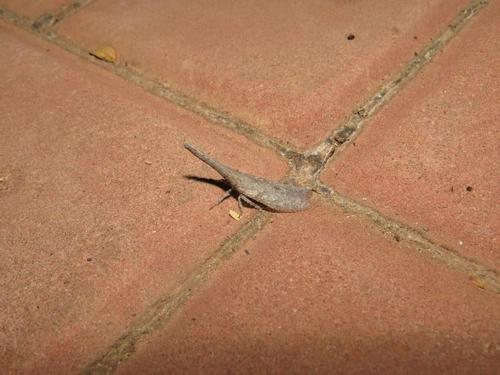
Zanninae
subfamilyZanninae
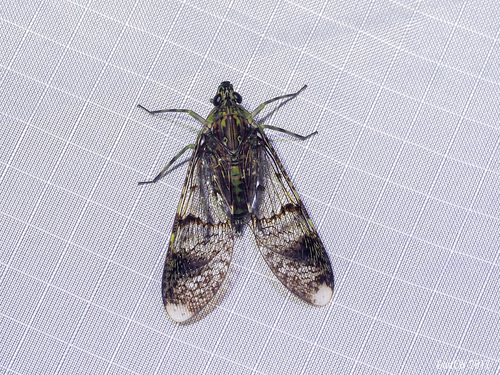
Dichopterinae
subfamilyDichopterinae

Xosopharinae
subfamilyXosopharinae
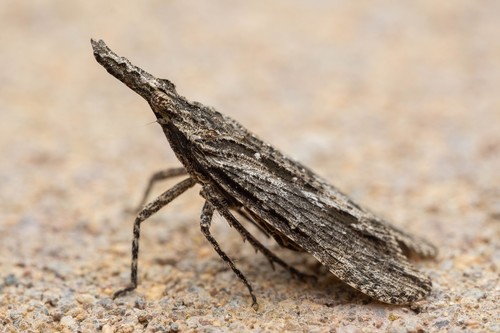
Amyclinae
subfamilyAmyclinae
Flatolystra
genusFlatolystra
Pyrgoteles
genusPyrgoteles
Strongylodematinae
subfamilyStrongylodematinae
Amerzanna
genusAmerzanna
Neocynthus
genusNeocynthus
Fulgoricesa
genusFulgoricesa
Florichisme
genusFlorichisme
Lyncidinae
subfamilyLyncidinae
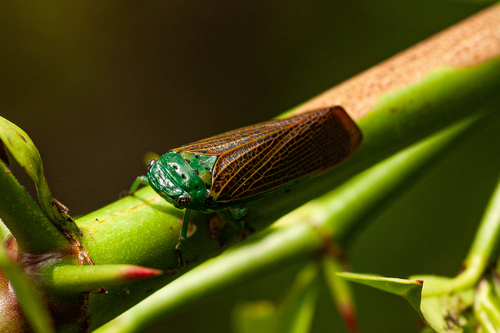
Capenariana
genusCapenariana
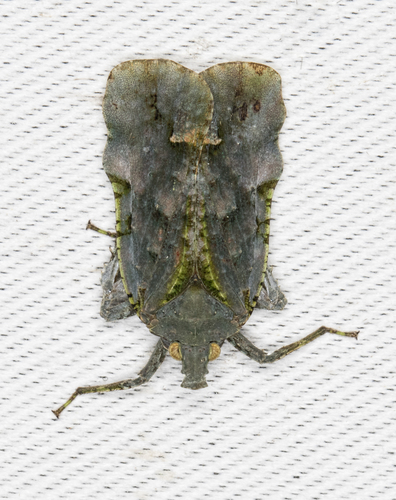
Sinuala
genusSinuala
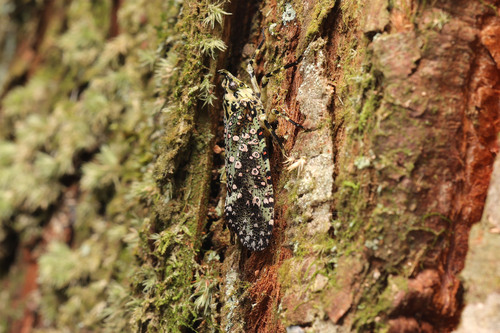
Neoalcathous
genusNeoalcathous
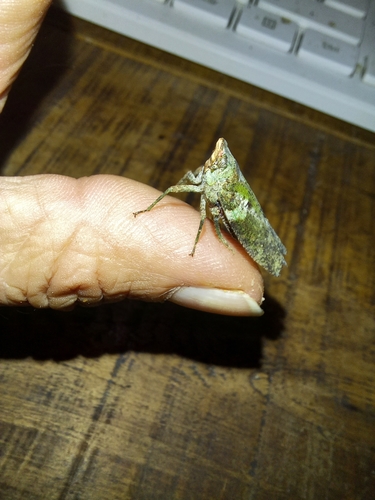
Brasiliana
genusBrasiliana
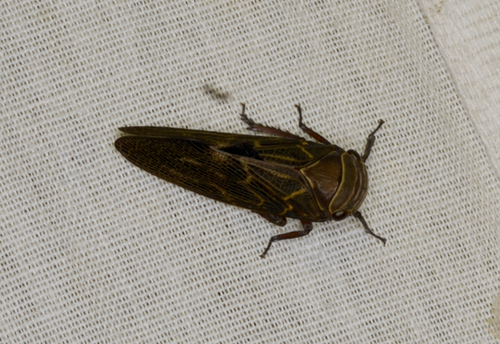
Kutariana
genusKutariana
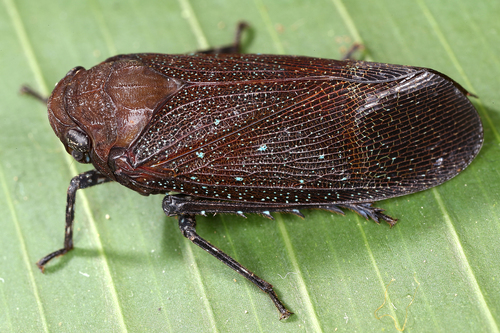
Talloisia
genusTalloisia
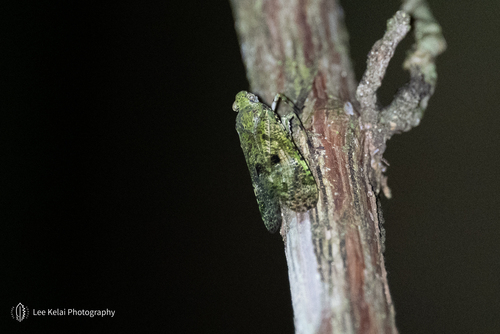
Ombro
genusOmbro
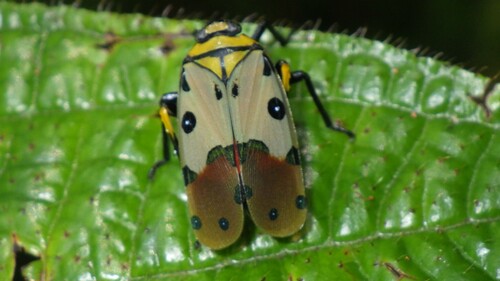
Radamana
genusRadamana
Where it lives
Recorded sightings
—
geo-referenced records in GBIF, from museums, herbaria and field observers.
Drag the globe to turn it. Dots are where records exist, not a range map; darker means more records.
In the stacks
Searching the stacks…
Every page naming Fulgoridae in the Biodiversity Heritage Library →
This page is assembled live from iNaturalist, GBIF, Wikipedia, the Source Library and the Internet Archive. It is not yet part of the hand-edited codex. iNaturalist taxon 54944.