- Plants
- ›Vascular Plants
- ›flowering plants
- ›Dicots
- ›Buttercups, Poppies, and Allies
- ›buttercup family
- ›Anemones, buttercups, larkspurs and allies
- ›baneberries, cohoshes, and winter aconites
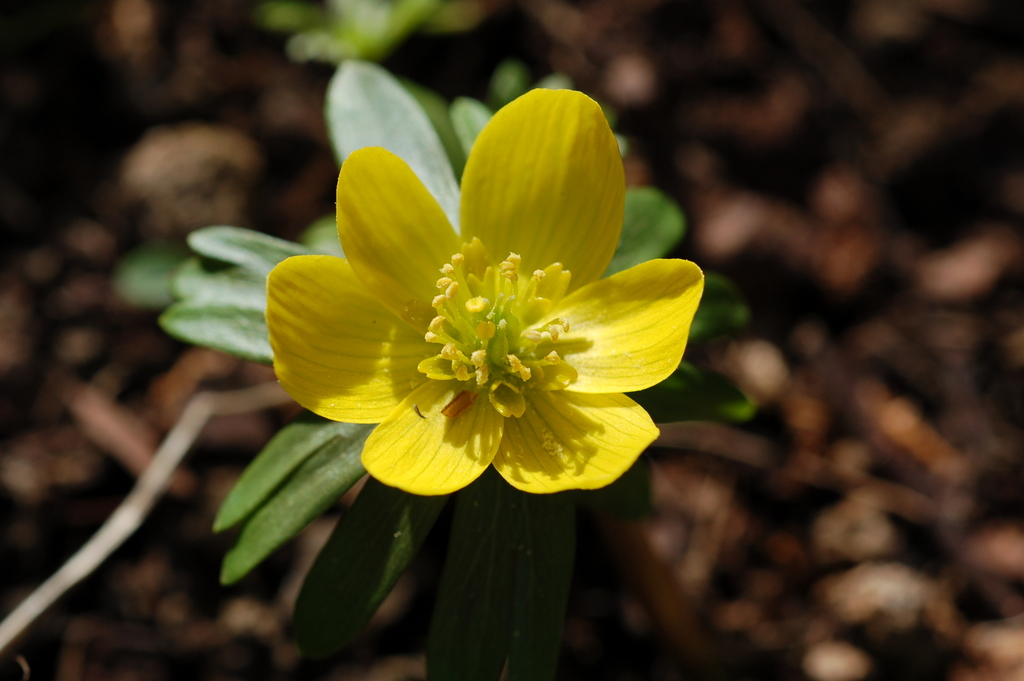
winter aconites
Eranthis
Eranthis is a genus of eight species of flowering plants in the buttercup family Ranunculaceae, native to southern Europe and east across Asia to Japan. The common name winter aconite comes from the early flowering time and the resemblance of the leaves to those of the related genus Aconitum, the true aconite. Like the notoriously toxic Aconitum (and, indeed, many other genera of the Ranunculaceae) Eranthis is poisonous, although the toxins are different, being mainly cardiac glycosides similar to those found in various other plant species such as Adonis vernalis or Asclepias incarnata, rather than the neurotoxic alkaloids of Aconitum.
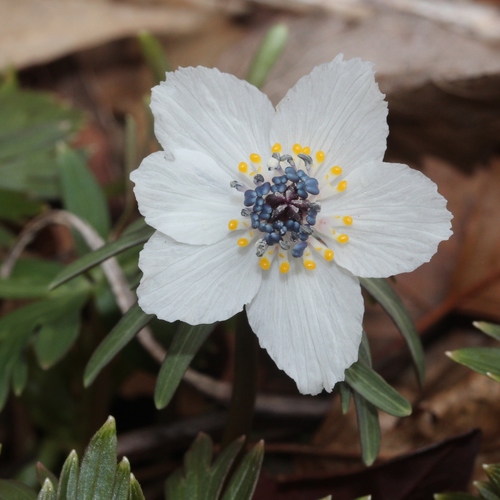
They are herbaceous perennials growing to 10–15 cm (4–6 in) tall. The flowers are yellow (white in E. albiflora and E. pinnatifida), and among the first to appear in spring, as early as January in mild climates, though later where winter snowpack persists; they are frost-tolerant and readily survive fresh snow cover unharmed. The leaves only expand fully when the flowers are nearly finished; they are peltate, 5–8 cm diameter, with several notches, and only last for 2–3 months before dying down during the late spring.
2 branches of this genus, most-observed first
See this branch on the Wheel of Life →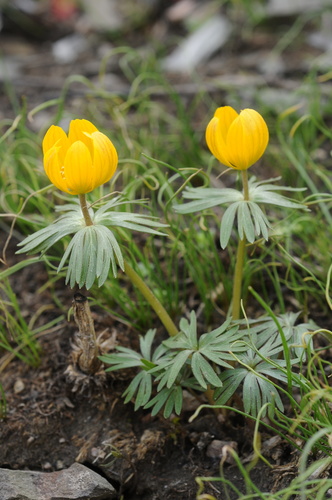
Where it lives
Recorded sightings
—
geo-referenced records in GBIF, from museums, herbaria and field observers.
Drag the globe to turn it. Dots are where records exist, not a range map; darker means more records.
In the old herbals & bestiaries

In the stacks
Searching the stacks…
Every page naming Eranthis in the Biodiversity Heritage Library →
This page is assembled live from iNaturalist, GBIF, Wikipedia, the Source Library and the Internet Archive. It is not yet part of the hand-edited codex. iNaturalist taxon 56872.