- Plants
- ›Vascular Plants
- ›flowering plants
- ›Dicots
- ›carrots, ivies, and allies
- ›carrot family
- ›Apioideae
- ›Heteromorpheae
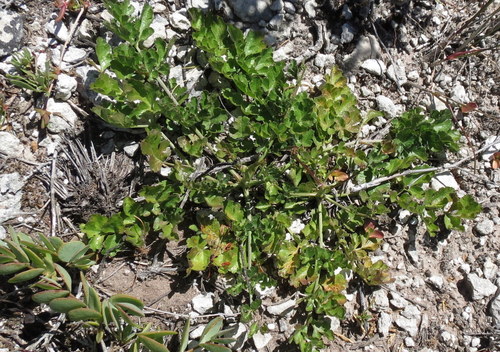
Glis
Glia
Glia, also called glial cells or neuroglia, are non-neuronal cells in the central nervous system (the brain and the spinal cord) and in the peripheral nervous system that do not produce electrical impulses. The neuroglia make up more than one half the volume of neural tissue in the human body. They contribute to the maintenance of homeostasis, help form myelin, and provide support and protection for neurons. In the central nervous system, glial cells include oligodendrocytes (that produce myelin), astrocytes, ependymal cells and microglia, and in the peripheral nervous system they include Schwann cells (that produce myelin), and satellite cells.
3 branches of this genus, most-observed first
See this branch on the Wheel of Life →
Where it lives
Recorded sightings
—
geo-referenced records in GBIF, from museums, herbaria and field observers.
Drag the globe to turn it. Dots are where records exist, not a range map; darker means more records.
In the old herbals & bestiaries

Illustrated Investigation of the Names and Realities of Plants, Volume 7
吳其濬 · 1848 · p.63

Compendium of Materia Medica: Illustrated Volume Middle of Middle
李時珍 · 1596 · p.12

Bencao Gangmu, Volume Upper-Middle
李時珍 · 1596 · p.37

Collected Illustrations of the Three Realms: Plants
王圻, 王思義 · 1607 · p.72

Illustrated Compendium of Materia Medica (Vol. 16)
吳其濬 · 1848 · p.67

Illustrated Compendium of Materia Medica (Vol. 31)
吳其濬 · 1848 · p.7

Illustrated Compendium of Materia Medica (Vol. 34)
吳其濬 · 1848 · p.8

Illustrated Compendium of Materia Medica (Vol. 27)
吳其濬 · 1848 · p.11

Illustrated Compendium of Materia Medica (Vol. 16)
吳其濬 · 1848 · p.51
In the stacks
Searching the stacks…
Every page naming Glia in the Biodiversity Heritage Library →
This page is assembled live from iNaturalist, GBIF, Wikipedia, the Source Library and the Internet Archive. It is not yet part of the hand-edited codex. iNaturalist taxon 575401.