- Animals
- ›Arthropods
- ›Hexapods
- ›Insects
- ›Winged and Once-winged Insects
- ›Flies
- ›Nematoceran Flies
- ›Gnats and Allies
- ›Fungus Gnats and Gall Midges
- ›Gall and Forest Midges
- ›Gall Midges
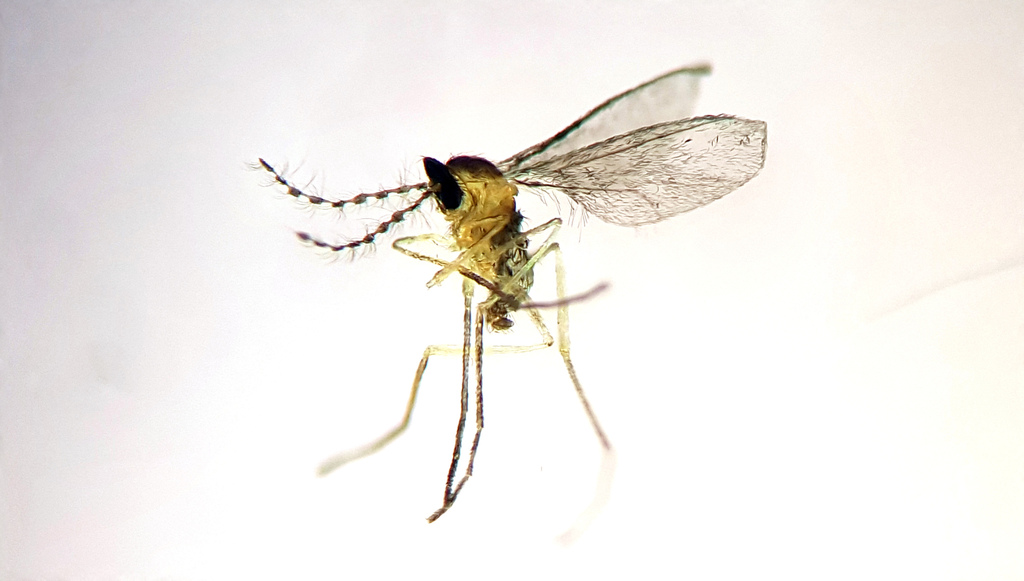
Brachineuridi
The Cecidomyiinae, commonly known as gall midges or gall gnats, is the largest subfamily in Cecidomyiidae with over 600 genera and more than 5000 described species. Larvae of the other (basal) cecidomyiid subfamilies feed on fungi; whereas this subfamily is best known for its members that induce galls on plants. However, there are also many species of Cecidomyiinae that are fungivores, parasitoids, or predators as maggots.
Herbivorous species make up about 75% of the Cecidomyiinae; many are gall-inducers, infecting a wide diversity of plants. They are found world-wide and are the most ecologically diverse gall-inducing group of organisms. Most develop in one or a few closely related host-plant species. In three tribes (Asphondyliini, Alycaulini and Lasiopterini) the midges are associated with specific fungi; these have been termed 'ambrosia gallers' because the fungi line the inner walls of the galls, in a similar way to those in the galleries of ambrosia beetles. Some of the herbivorous species are inquilines, developing in galls that were initiated by a different midge species. Most species in the genus Macrolabis and the tribes Trotteriini and Camptoneuromyiini are inquilines, but there are also many inquiline species in genera that are predominantly gall-inducing (such as Dasineura and Lasioptera).
2 branches of this group, most-observed first
See this branch on the Wheel of Life →
Where it lives
Recorded sightings
—
geo-referenced records in GBIF, from museums, herbaria and field observers.
Drag the globe to turn it. Dots are where records exist, not a range map; darker means more records.
In the stacks
Searching the stacks…
Every page naming Brachineuridi in the Biodiversity Heritage Library →
This page is assembled live from iNaturalist, GBIF, Wikipedia, the Source Library and the Internet Archive. It is not yet part of the hand-edited codex. iNaturalist taxon 602196.