- Animals
- ›Arthropods
- ›Hexapods
- ›Insects
- ›Winged and Once-winged Insects
- ›True Bugs, Hoppers, Aphids, and allies
- ›True Hoppers
- ›Spittlebugs, Cicadas, Leafhoppers and Treehoppers
- ›Cicadas
- ›Typical Cicadas
- ›Cicadinae
- ›Broadwing Cicadas
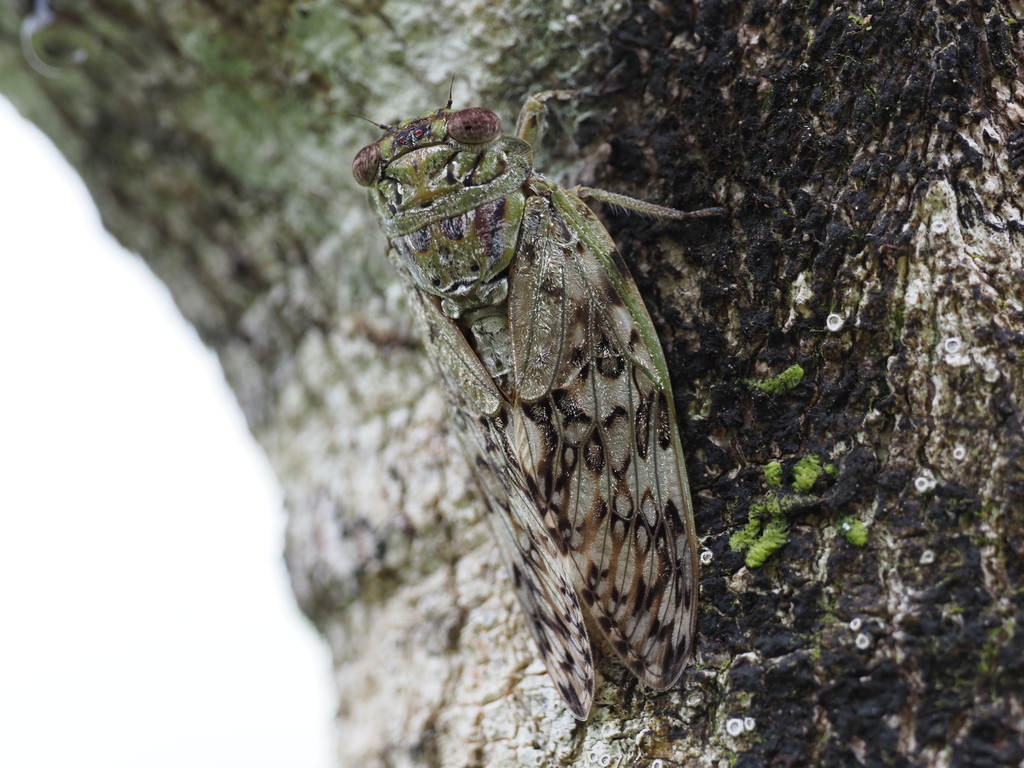
Hamza
The hamza (Arabic: هَمْزَة hamza) (ء) is an Arabic script character that, in the Arabic alphabet, denotes a glottal stop and, in non-Arabic languages, indicates a diphthong, vowel, or other features, depending on the language. Derived from the letter ʿayn (ع), the hamza is written in initial, medial, and final positions as an unlinked letter or placed above or under a carrier character. Despite its common usage as a letter in Modern Standard Arabic, it is generally not considered to be one of its letters, although some argue that it should be considered so.
The hamza is often romanized as a typewriter apostrophe ('), a modifier letter apostrophe (ʼ), a modifier letter right half ring (ʾ), or as the International Phonetic Alphabet symbol ⟨ʔ⟩. In Arabizi, it is either written as "2" or not written at all.
1 branches of this genus, most-observed first
See this branch on the Wheel of Life →
Where it lives
Recorded sightings
—
geo-referenced records in GBIF, from museums, herbaria and field observers.
Drag the globe to turn it. Dots are where records exist, not a range map; darker means more records.
In the stacks
Searching the stacks…
Every page naming Hamza in the Biodiversity Heritage Library →
This page is assembled live from iNaturalist, GBIF, Wikipedia, the Source Library and the Internet Archive. It is not yet part of the hand-edited codex. iNaturalist taxon 605032.