- Animals
- ›Arthropods
- ›Crustaceans
- ›Typical Crustaceans
- ›Malacostracans
- ›Decapods, Isopods, and allies
- ›Decapods and Krill
- ›Decapods
- ›Crabs, Lobsters, Shrimps, and Allies
- ›Caridean Shrimps
- ›Alpheoidea
- ›Barbouriidae
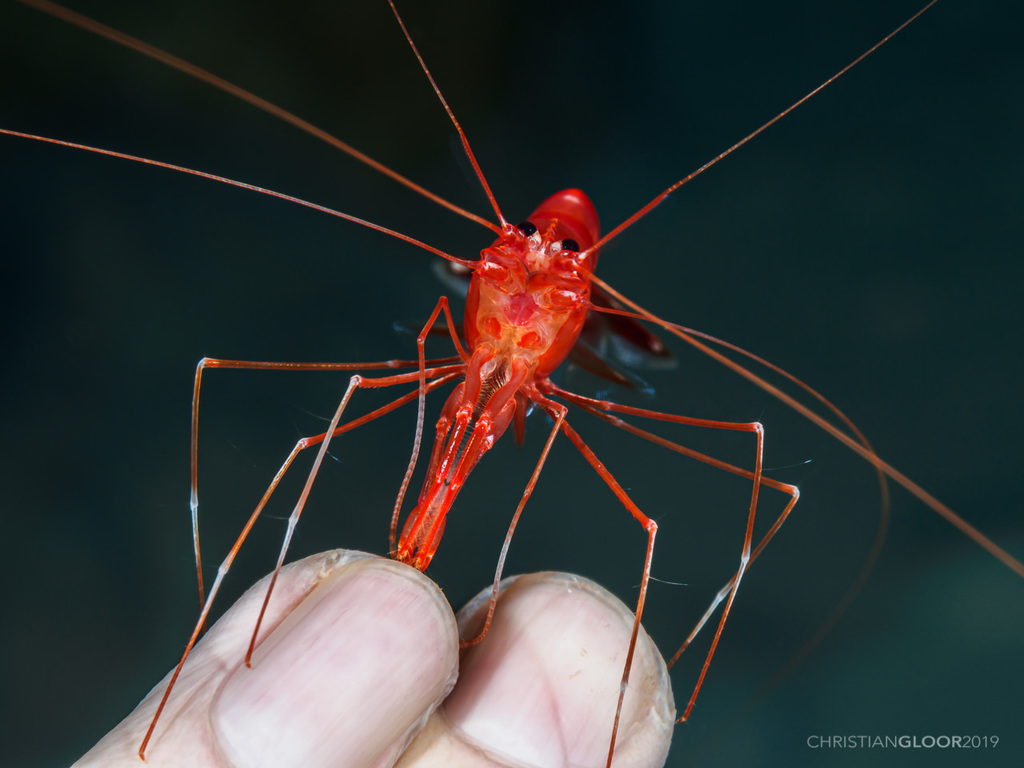
Parhippolyte
Parhippolyte is a genus of cave dwelling decapod crustaceans, known as cave shrimps from the family Barbouriidae The type species Parhipplyte uvea was described in 1900 by the English carcinologist Lancelot Alexander Borradaile from specimens collected in the south western Pacific by Arthur Willey. As their vernacular name of cave shrimp suggests these species are generally found in marine caves as well as anchialine ponds and lagoons.
6 branches of this genus, most-observed first
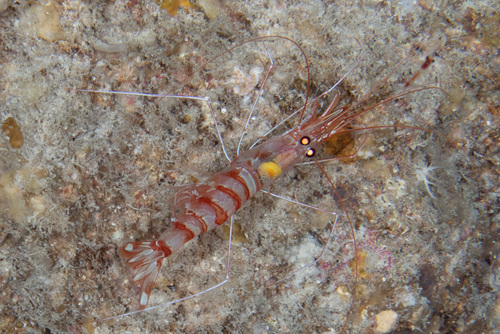
Parhippolyte misticia
speciesParhippolyte misticia
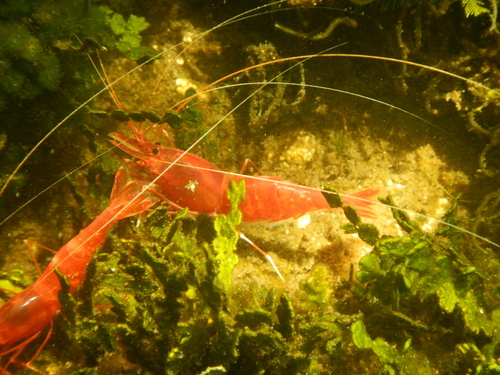
Parhippolyte uveae
speciesParhippolyte uveae

Parhippolyte antiguensis
speciesParhippolyte antiguensis
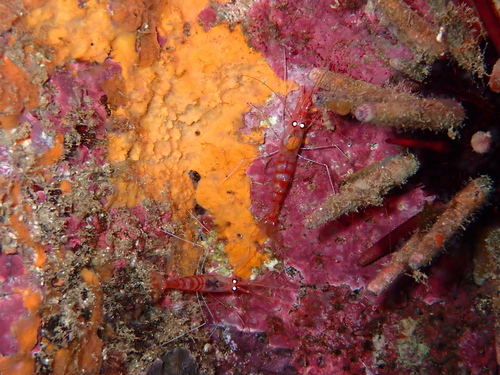
Parhippolyte cavernicola
speciesParhippolyte cavernicola

Parhippolyte sterreri
speciesParhippolyte sterreri
Parhippolyte rukuensis
speciesParhippolyte rukuensis
Where it lives
Recorded sightings
—
geo-referenced records in GBIF, from museums, herbaria and field observers.
Drag the globe to turn it. Dots are where records exist, not a range map; darker means more records.
In the stacks
Searching the stacks…
Every page naming Parhippolyte in the Biodiversity Heritage Library →
This page is assembled live from iNaturalist, GBIF, Wikipedia, the Source Library and the Internet Archive. It is not yet part of the hand-edited codex. iNaturalist taxon 629065.