- Plants
- ›Vascular Plants
- ›flowering plants
- ›Dicots
- ›Sunflowers, Bellflowers, Fanflowers, and Allies
- ›Sunflowers, Daisies, Asters, and Allies
- ›Asteroideae
- ›Bahieae
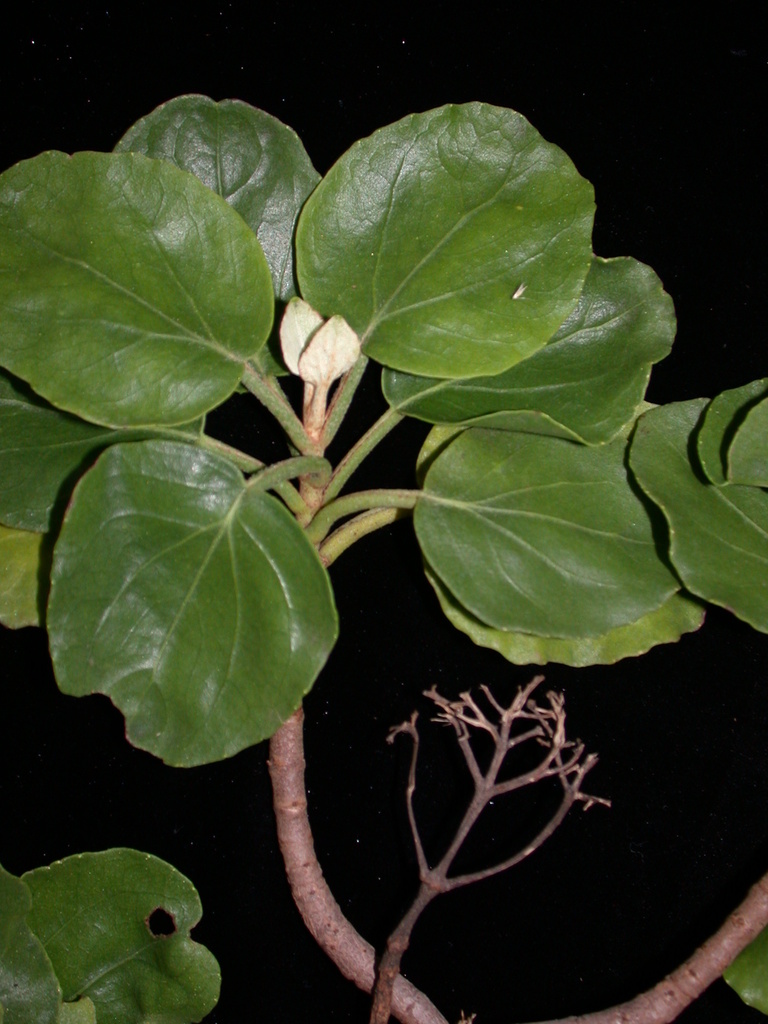
Apostates
Apostasy (, ə-POSS-tə-see; Ancient Greek: ἀποστασία, romanized: apostasía, lit. 'defection, revolt') is the formal disaffiliation from, abandonment of, or renunciation of a religion by a person. It can also be defined within the broader context of embracing an opinion that is contrary to one's previous religious beliefs. One who undertakes apostasy is known as an apostate. Undertaking apostasy is called apostatizing (or apostasizing – also spelled apostacizing). The term apostasy is used by sociologists to mean the renunciation and criticism of, or opposition to, a person's former religion, in a technical sense, with no pejorative connotation.
Occasionally, the term is also used metaphorically to refer to the renunciation of a non-religious belief or cause, such as a political party, social movement, or sports team. The term has also been used in the Catholic Church to refer to abandonment of the clerical or monastic state, without leaving the religion itself.
1 branches of this genus, most-observed first
See this branch on the Wheel of Life →
Where it lives
Recorded sightings
—
geo-referenced records in GBIF, from museums, herbaria and field observers.
Drag the globe to turn it. Dots are where records exist, not a range map; darker means more records.
In the stacks
Searching the stacks…
Every page naming Apostates in the Biodiversity Heritage Library →
This page is assembled live from iNaturalist, GBIF, Wikipedia, the Source Library and the Internet Archive. It is not yet part of the hand-edited codex. iNaturalist taxon 634436.