
Bacteria
Bacteria
Bacteria are ubiquitous, mostly free-living organisms often consisting of one biological cell. They constitute a large domain of prokaryotic microorganisms. Typically a few micrometres in length, bacteria were among the first life forms to appear on Earth, and are present in most of its habitats. Bacteria inhabit the air, soil, water, acidic hot springs, radioactive waste, and the deep biosphere of Earth's crust. Bacteria play a vital role in many stages of the nutrient cycle by recycling nutrients and the fixation of nitrogen from the atmosphere. The nutrient cycle includes the decomposition of dead bodies; bacteria are responsible for the putrefaction stage in this process. In the biological communities surrounding hydrothermal vents and cold seeps, extremophile bacteria provide the nutrients needed to sustain life by converting dissolved compounds, such as hydrogen sulphide and methane, to energy. Bacteria also live in mutualistic, commensal and parasitic relationships with plants and animals. Most bacteria have not been characterised and there are many species that cannot be grown in the laboratory. The study of bacteria is known as bacteriology, a branch of microbiology.
Like all animals, humans carry vast numbers (approximately 1013 to 1014) of bacteria. Most are in the gut, though there are many on the skin. Most of the bacteria in and on the body are harmless or rendered so by the protective effects of the immune system, and many are beneficial, particularly the ones in the gut.
33 branches of this kingdom, most-observed first

cyanobacteria
phylumCyanobacteria

proteobacteria
phylumProteobacteria
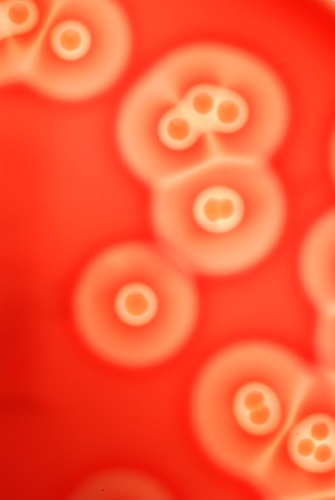
firmicutes
phylumFirmicutes
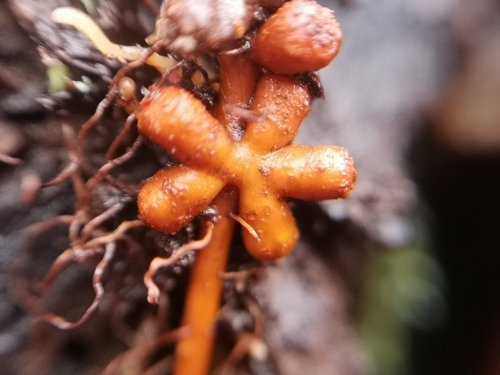
actinobacteria
phylumActinobacteria
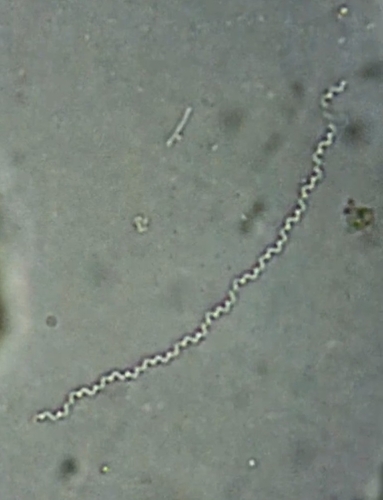
Spirochaetae
phylumSpirochaetae
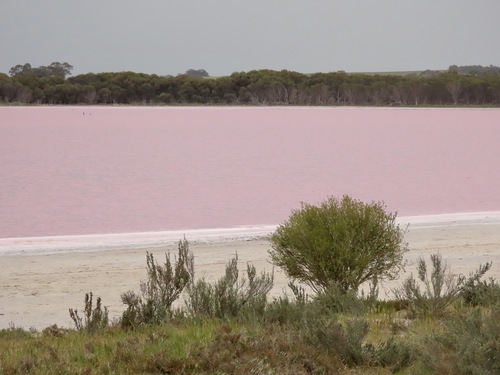
Bacteroidetes
phylumBacteroidetes

green nonsulfur bacteria
phylumChloroflexi
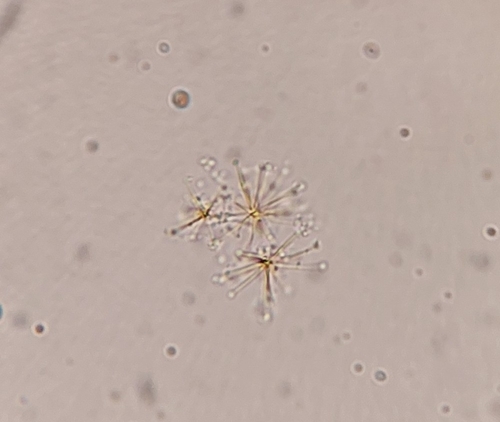
Planctomycetes
phylumPlanctomycetes
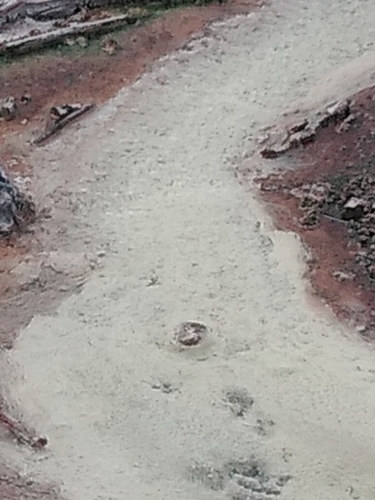
Aquificae
phylumAquificae
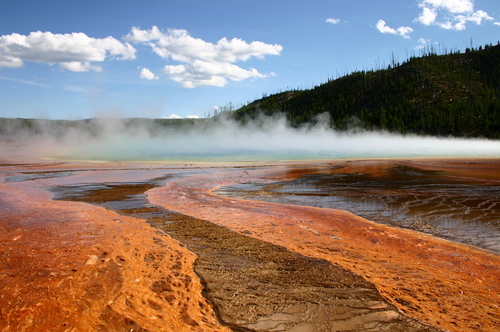
Deinococcus-thermus
phylumDeinococcus-thermus
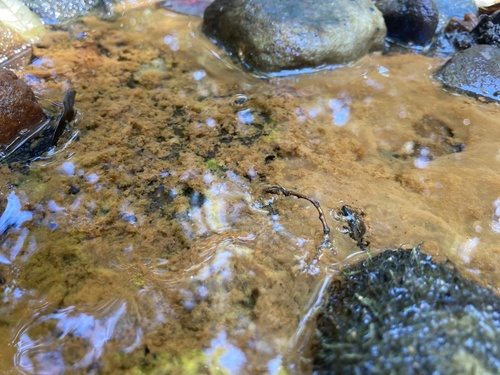
Nitrospira
phylumNitrospira

green sulfur bacteria
phylumChlorobi
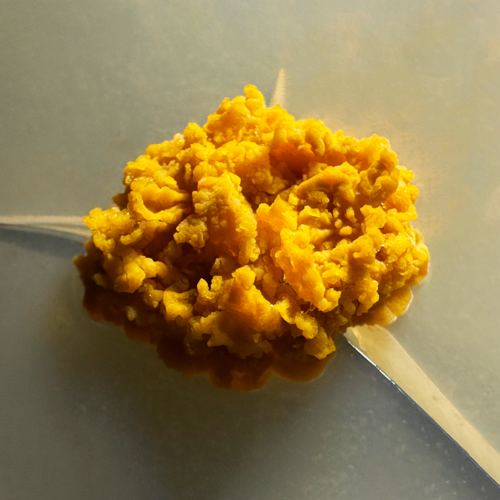
Actinomycetota
phylumActinomycetota
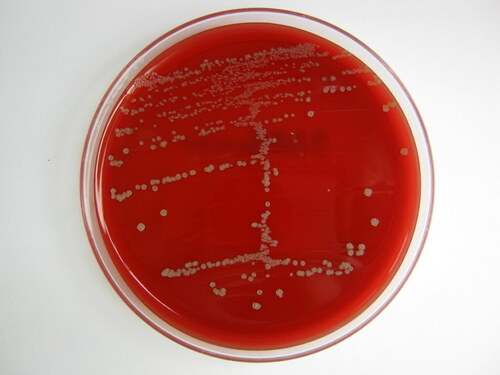
fusobacteria
phylumFusobacteria
Metallogenium
genusMetallogenium
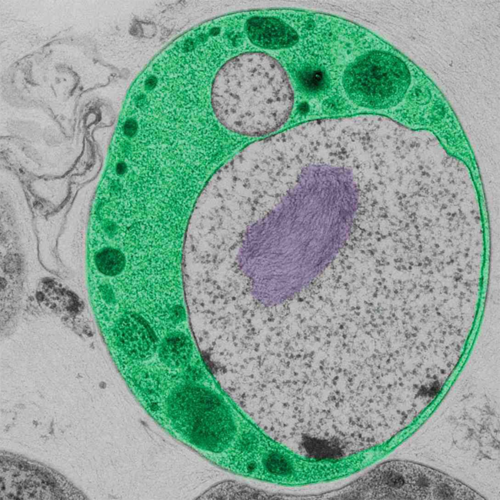
Chlamydiae
phylumChlamydiae
Peloploca
genusPeloploca
Pelosigma
genusPelosigma
Elusimicrobia
phylumElusimicrobia
Armatimonadetes
phylumArmatimonadetes
Chrysiogenetes
phylumChrysiogenetes
Dictyoglomi
phylumDictyoglomi
Tenericutes
phylumTenericutes
Thermotogae
phylumThermotogae
Thermodesulfobacteria
phylumThermodesulfobacteria
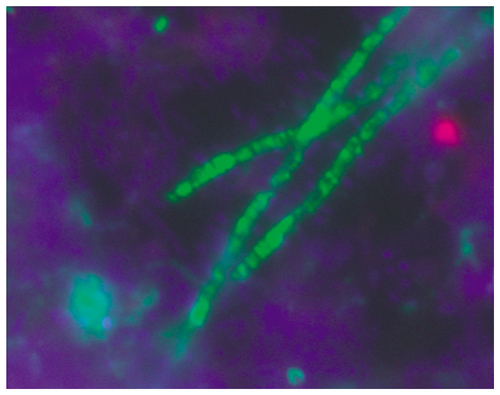
acidobacteria
phylumAcidobacteria
Caldiserica
phylumCaldiserica
Deferribacteres
phylumDeferribacteres
Fibrobacteres
phylumFibrobacteres
Gemmatimonadetes
phylumGemmatimonadetes
Lentisphaerae
phylumLentisphaerae
Synergistetes
phylumSynergistetes
Verrucomicrobia
phylumVerrucomicrobia
Where it lives
Recorded sightings
—
geo-referenced records in GBIF, from museums, herbaria and field observers.
Drag the globe to turn it. Dots are where records exist, not a range map; darker means more records.
In the stacks
Searching the stacks…
Every page naming Bacteria in the Biodiversity Heritage Library →
This page is assembled live from iNaturalist, GBIF, Wikipedia, the Source Library and the Internet Archive. It is not yet part of the hand-edited codex. iNaturalist taxon 67333.