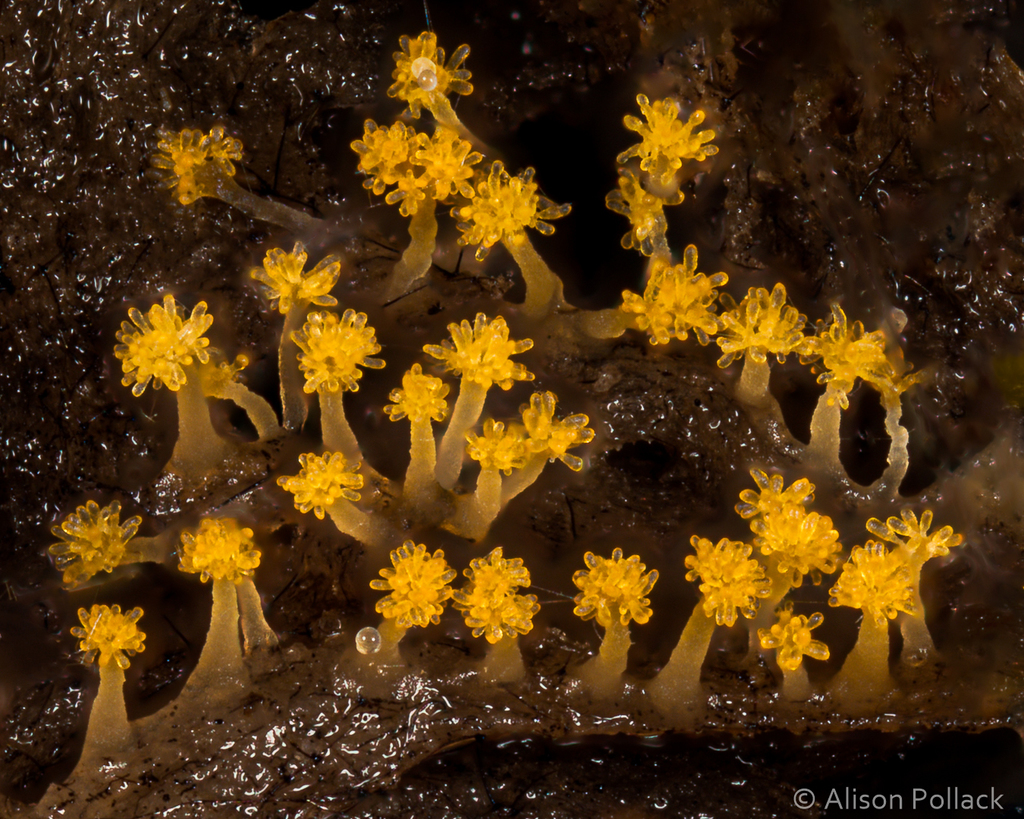
proteobacteria
Proteobacteria
Pseudomonadota (synonym "Proteobacteria") is a major phylum of gram-negative bacteria. They include both pathogenic and free-living (non-parasitic) genera. The phylum comprises six classes: Acidithiobacillia, Alphaproteobacteria, Betaproteobacteria, Gammaproteobacteria, Hydrogenophilia, and Zetaproteobacteria. Pseudomonadota are very diverse, with differences in morphology, metabolic processes, relevance to humans, and ecological influence.
6 branches of this phylum, most-observed first
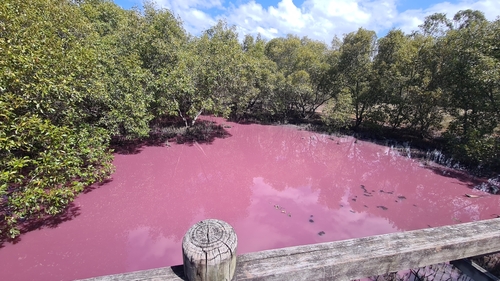
α-proteobacteria
classAlphaproteobacteria

γ-proteobacteria
classGammaproteobacteria

β-proteobacteria
classBetaproteobacteria

δ-proteobacteria
classDeltaproteobacteria

ε-proteobacteria
classEpsilonproteobacteria
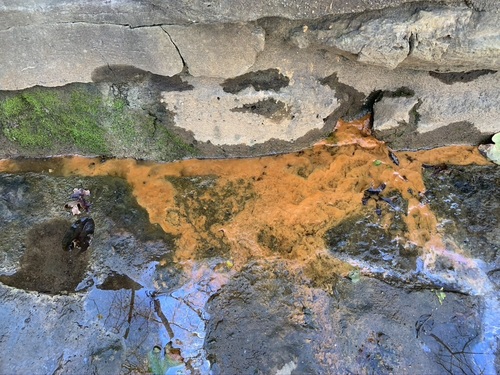
ζ-proteobacteria
classZetaproteobacteria
Where it lives
Recorded sightings
—
geo-referenced records in GBIF, from museums, herbaria and field observers.
Drag the globe to turn it. Dots are where records exist, not a range map; darker means more records.
In the stacks
Searching the stacks…
Every page naming Proteobacteria in the Biodiversity Heritage Library →
This page is assembled live from iNaturalist, GBIF, Wikipedia, the Source Library and the Internet Archive. It is not yet part of the hand-edited codex. iNaturalist taxon 83702.