- Animals
- ›Arthropods
- ›Hexapods
- ›Insects
- ›Winged and Once-winged Insects
- ›Beetles
- ›Water, Rove, Scarab, Long-horned, Leaf, and Snout Beetles
- ›Cucujiform Beetles
- ›Bark-gnawing, Checkered, and Soft-winged Flower Beetles
- ›Checkered Beetles
- ›Enopliinae
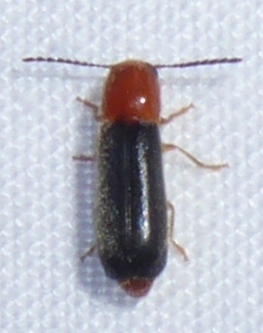
Tenerus
In Greek mythology, Melia or Melie (Ancient Greek Μελία, Μελίη) was the name of several figures. The name Melia comes from μελία, the ancient Greek word for ash-tree. In the plural, the Meliae were a class of nymphs associated with trees, particularly ash-trees. There were several other nymphs (or possible nymphs) named Melia, not necessarily associated with trees, these include:
Melia, a Theban cult figure, who was the mother of Tenerus and Ismenus, by Apollo. She was said to be a daughter of Oceanus.
14 branches of this genus, most-observed first
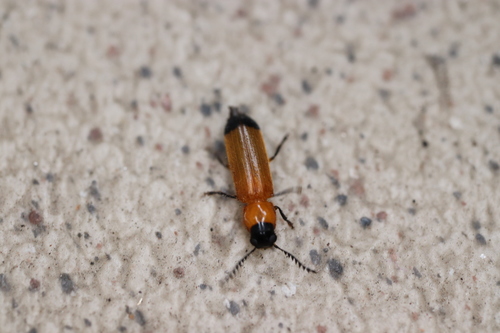
Tenerus hilleri
speciesTenerus hilleri

Tenerus maculicollis
speciesTenerus maculicollis
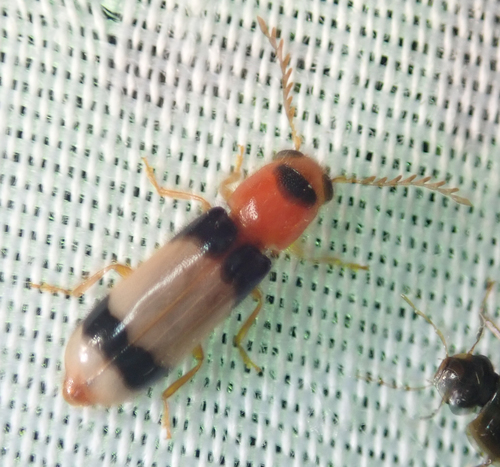
Variable Checkered Beetle
speciesTenerus variabilis
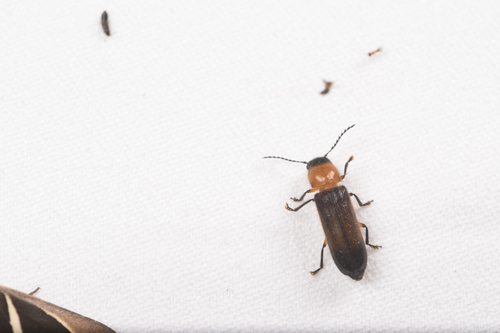
Tenerus formosanus
speciesTenerus formosanus
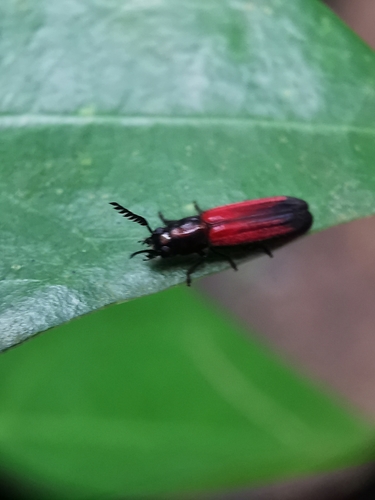
Tenerus sanguineus
speciesTenerus sanguineus

Tenerus abbreviatus
speciesTenerus abbreviatus
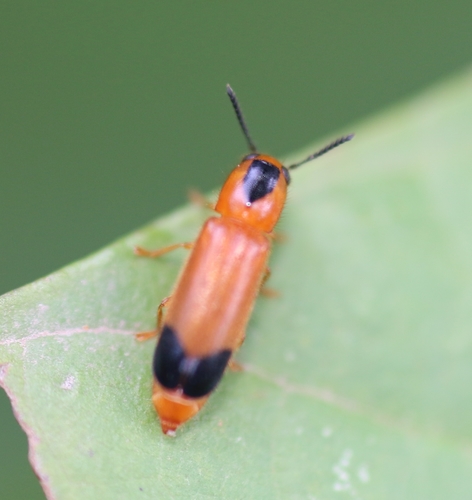
Tenerus melanurus
speciesTenerus melanurus
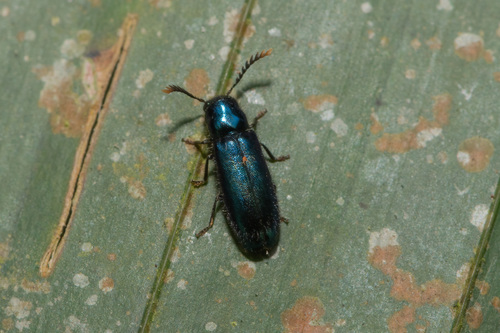
Tenerus chalybaeus
speciesTenerus chalybaeus
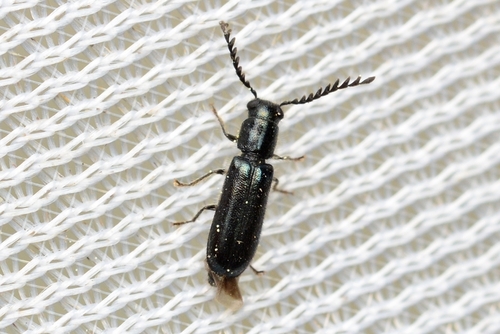
Tenerus lewisi
speciesTenerus lewisi
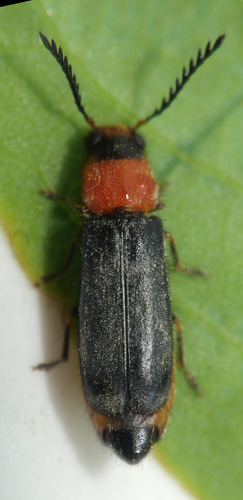
Tenerus telephoroides
speciesTenerus telephoroides
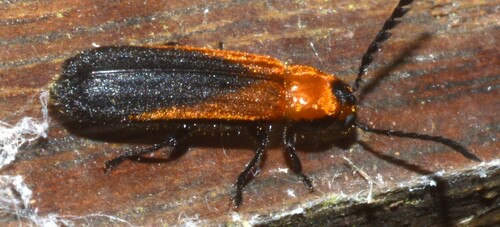
Tenerus ochraceus
speciesTenerus ochraceus
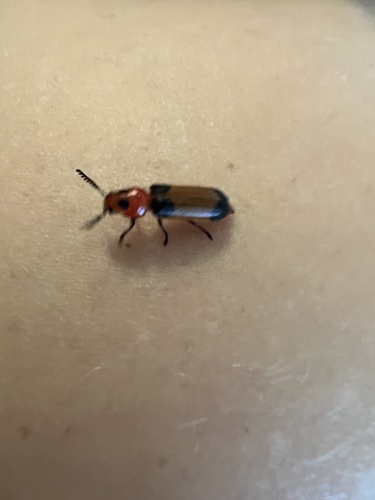
Tenerus tumidicollis
speciesTenerus tumidicollis
Tenerus savioi
speciesTenerus savioi
Tenerus signaticollis
speciesTenerus signaticollis
Where it lives
Recorded sightings
—
geo-referenced records in GBIF, from museums, herbaria and field observers.
Drag the globe to turn it. Dots are where records exist, not a range map; darker means more records.
In the stacks
Searching the stacks…
Every page naming Tenerus in the Biodiversity Heritage Library →
This page is assembled live from iNaturalist, GBIF, Wikipedia, the Source Library and the Internet Archive. It is not yet part of the hand-edited codex. iNaturalist taxon 702120.