- Animals
- ›Arthropods
- ›Hexapods
- ›Insects
- ›Winged and Once-winged Insects
- ›Grasshoppers, Crickets, and Katydids
- ›Grasshoppers, Locusts, and Allies
- ›Grasshoppers
- ›Eumastacoid Stick Grasshoppers
- ›Monkey Grasshoppers
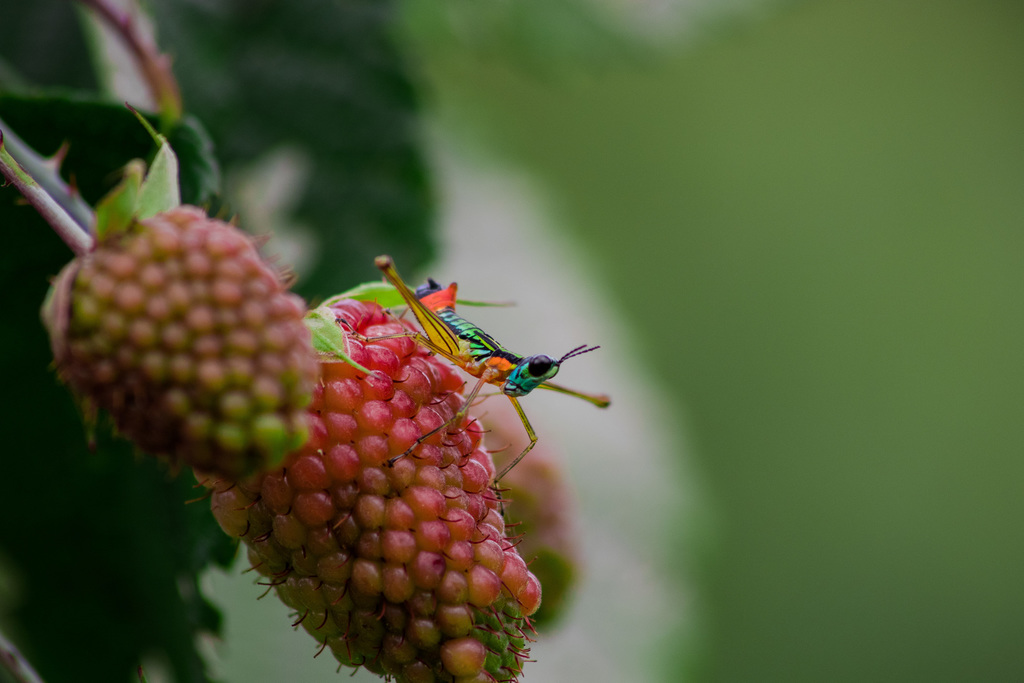
Eumastacinae
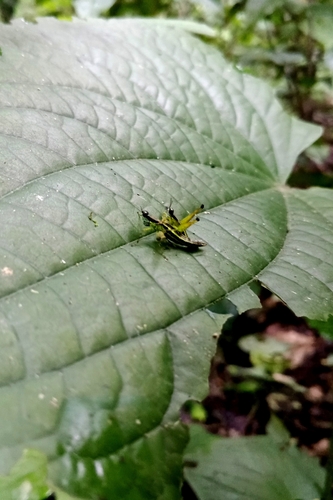
Eumastacidae are a family of grasshoppers sometimes known as monkey- or matchstick grasshoppers. They usually have thin legs that are held at right angles to the body, sometimes close to the horizontal plane. Many species are wingless. Their heads are held at an angle with the top of the head often jutting above the line of the thorax and abdomen. They have three segmented tarsi and have a short antenna with a knobby organ at the tip. They do not have a prosternal spine or tympanum. Most species inhabit the tropics, with a greater diversity in the neotropics. They are considered primitive within the Orthoptera and feed on algae, ferns, and gymnosperms, the more ancient plant groups.
The families Chorotypidae and Morabidae were formerly included in this group as subfamilies but are now considered as separate families within the Eumastacoidea. With the exception of the central Asian Gomphomastacinae, all other subfamilies are restricted to South America.
17 branches of this subfamily, most-observed first

Homeomastax
genusHomeomastax

Eumastax
genusEumastax
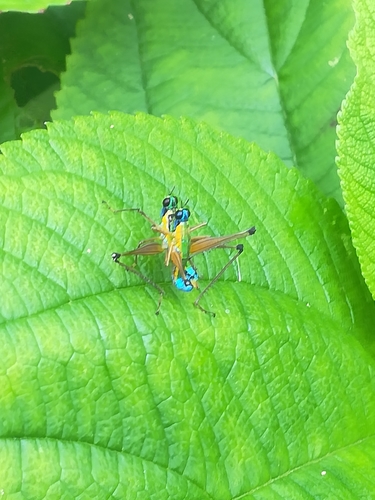
Caenomastax
genusCaenomastax
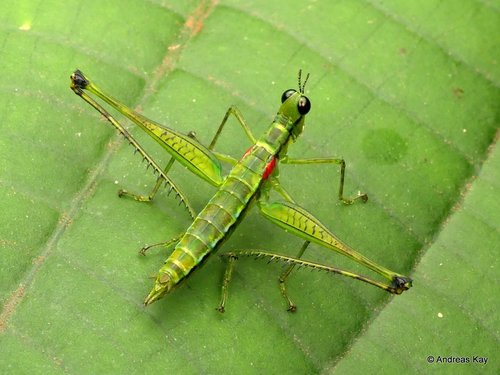
Beomastax
genusBeomastax

Zeromastax
genusZeromastax
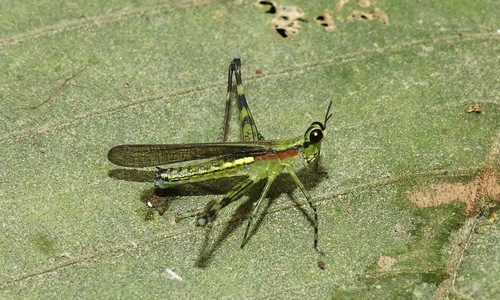
Sciaphilomastax
genusSciaphilomastax
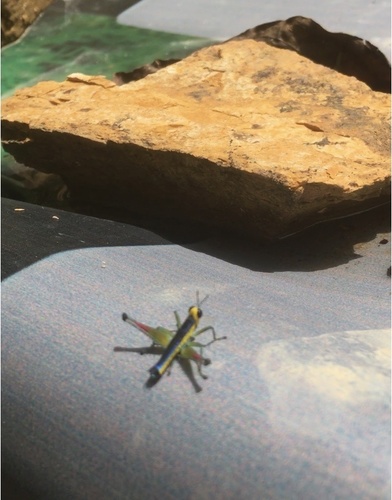
Santanderia
genusSantanderia
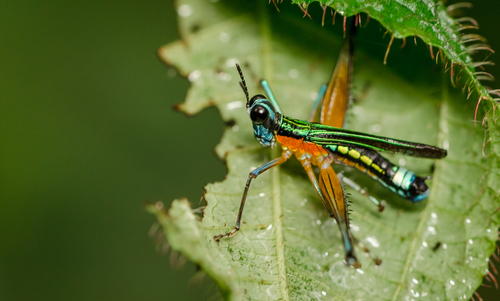
Cardonamastax
genusCardonamastax
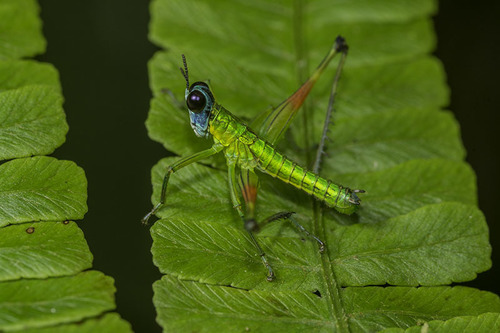
Descampsmastax
genusDescampsmastax
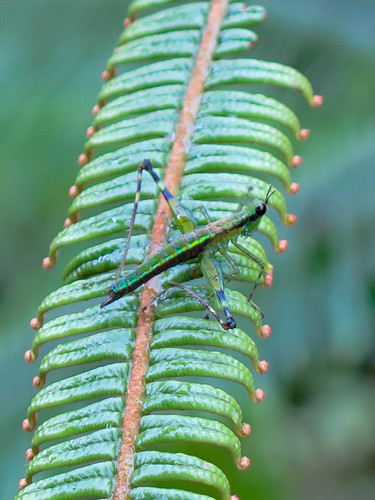
Phryganomastax
genusPhryganomastax
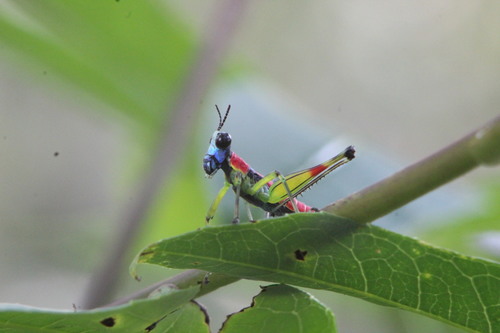
Amedegnatomastax
genusAmedegnatomastax
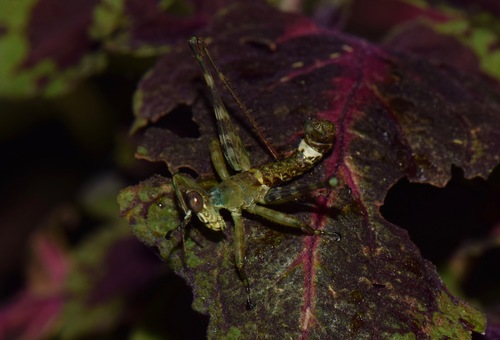
Andeomastax
genusAndeomastax
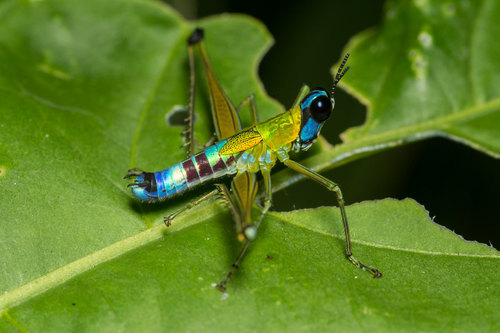
Hebardomastax
genusHebardomastax
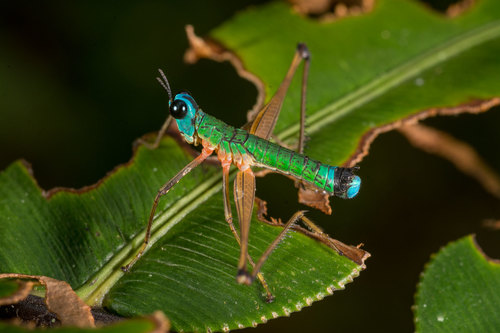
Erythromastax
genusErythromastax
Araguamastax
genusAraguamastax

Helicomastax
genusHelicomastax
Hysteromastax
genusHysteromastax
Where it lives
Recorded sightings
—
geo-referenced records in GBIF, from museums, herbaria and field observers.
Drag the globe to turn it. Dots are where records exist, not a range map; darker means more records.
In the stacks
Searching the stacks…
Every page naming Eumastacinae in the Biodiversity Heritage Library →
This page is assembled live from iNaturalist, GBIF, Wikipedia, the Source Library and the Internet Archive. It is not yet part of the hand-edited codex. iNaturalist taxon 705817.