- Plants
- ›Vascular Plants
- ›flowering plants
- ›monocots
- ›grasses, sedges, cattails, and allies
- ›Sedges
- ›Cyperoideae
- ›Cladieae

Sawgrasses
Cladium
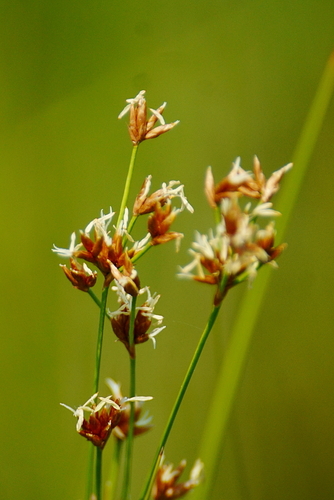
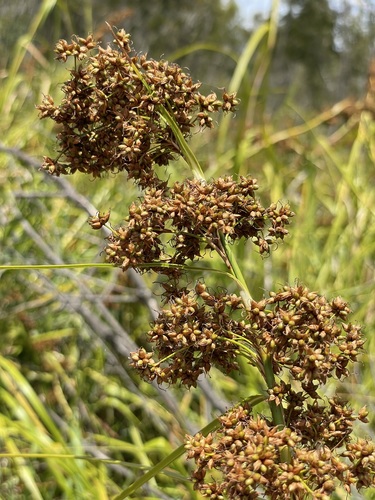
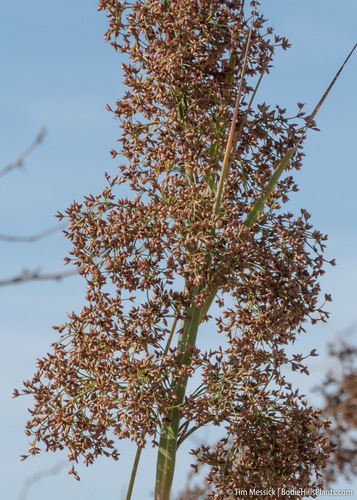
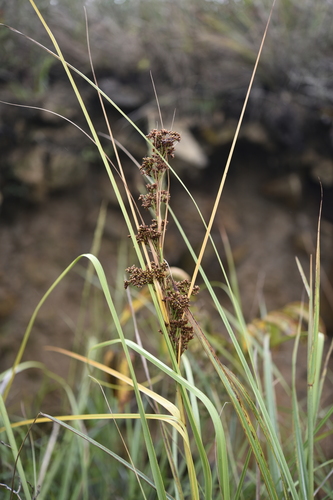
Cladium (fen-sedge, sawgrass or twig-sedge) is a genus of large sedges, with a nearly worldwide distribution in tropical and temperate regions. These are plants characterized by long, narrow (grass-like) leaves having sharp, often serrated (sawtooth-like) margins, and flowering stems 1–3 m tall bearing a much-branched inflorescence. Like many plants found in wet habitats, it has deeply buried rhizomes that can produce tall shoots with dense canopies.
Cladium mariscus subsp. jamaicense, or saw-grass, is common in marshes and savannas throughout the tropical Americas. One typical and well-known area of extensive saw-grass growth is the Florida Everglades; sawgrass is the plant referred to by the descriptor, "River of Grass". Like many species of the Everglades, C. jamaicense grows in extremely infertile conditions, particularly wet sites that are low in phosphorus. Dense sawgrass beds are intermingled with other vegetation types. Together they produce a rich array of habitats that support the biological diversity of the Everglades. American alligators also use sawgrass to build nests. Phosphorus from agricultural runoff favoured dense cattail over rich sawgrass habitats, choking off water access for animals and birds. Eighty plant and animal species in the Everglades are threatened or endangered.

Where it lives
Recorded sightings
—
geo-referenced records in GBIF, from museums, herbaria and field observers.
Drag the globe to turn it. Dots are where records exist, not a range map; darker means more records.
In the stacks
Searching the stacks…
Every page naming Cladium in the Biodiversity Heritage Library →
This page is assembled live from iNaturalist, GBIF, Wikipedia, the Source Library and the Internet Archive. It is not yet part of the hand-edited codex. iNaturalist taxon 72057.