- Animals
- ›Arthropods
- ›Hexapods
- ›Insects
- ›Winged and Once-winged Insects
- ›Ants, Bees, Wasps, and Sawflies
- ›Narrow-waisted Wasps, Ants, and Bees
- ›Ants, Bees, and Stinging Wasps
- ›Vespoid Wasps
- ›Hornets, Paper Wasps, Potter Wasps, and Allies
- ›Paper Wasps
- ›Mischocyttarini
- ›Mischocyttarus
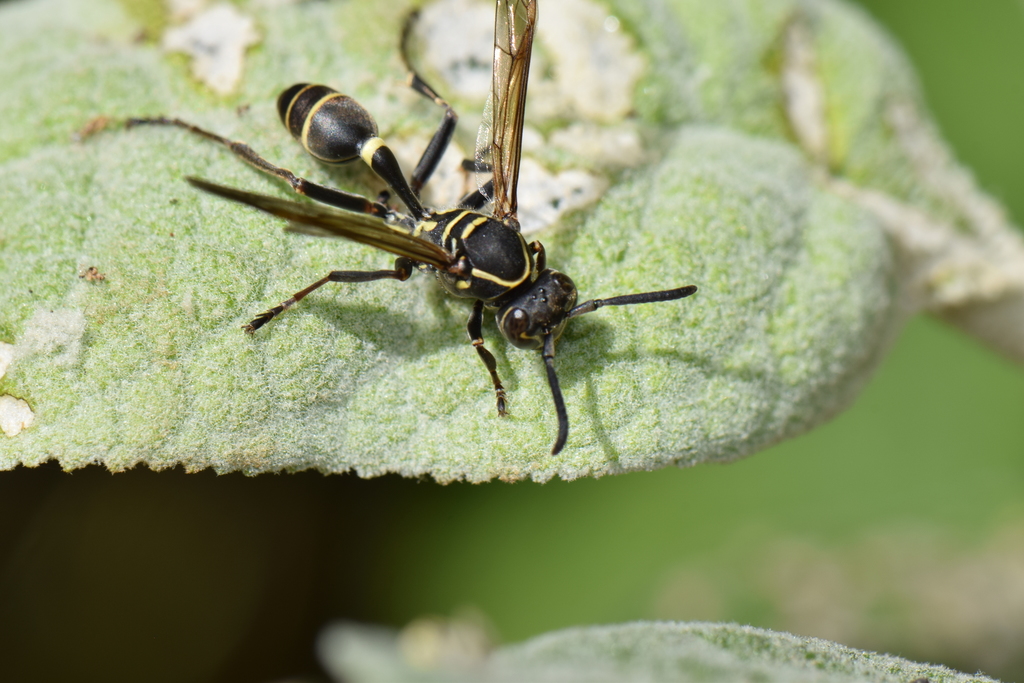
Kappa
Kappa ( ; uppercase Κ, lowercase κ or cursive ϰ; Greek: κάππα, káppa) is the tenth letter of the Greek alphabet, representing the voiceless velar plosive IPA: [k] sound in Ancient and Modern Greek. In the system of Greek numerals, Kʹ has a value of 20. It was derived from the Phoenician letter kaph (𐤊). Letters that arose from kappa include the Roman K and Cyrillic К. The uppercase form is identical to the Latin K.
Greek proper names and placenames containing kappa are often written in English with "c" due to the Romans' transliterations into the Latin alphabet: Constantinople, Corinth, Crete. All formal modern romanizations of Greek now use the letter "k", however.
12 branches of this group, most-observed first

Mischocyttarus rufidens
speciesMischocyttarus rufidens
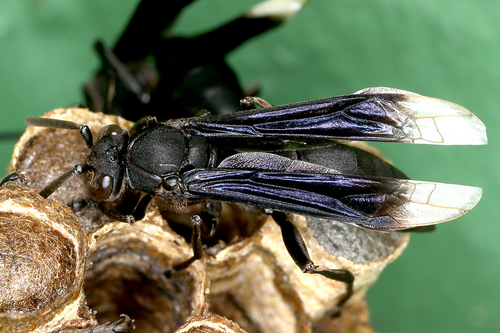
Mischocyttarus deceptus
speciesMischocyttarus deceptus
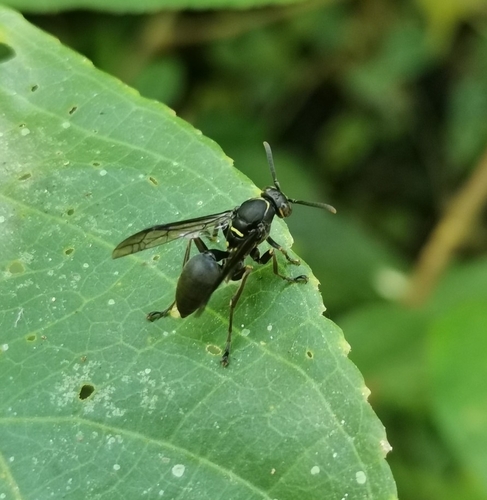
Mischocyttarus tolensis
speciesMischocyttarus tolensis
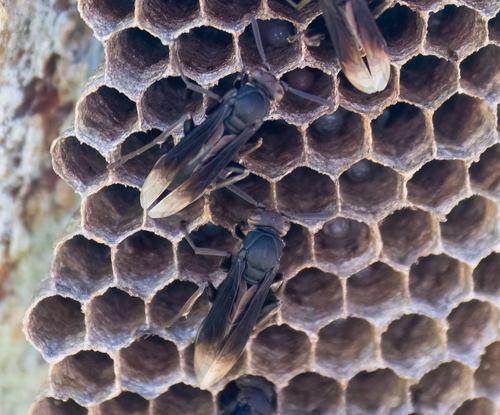
Mischocyttarus socialis
speciesMischocyttarus socialis
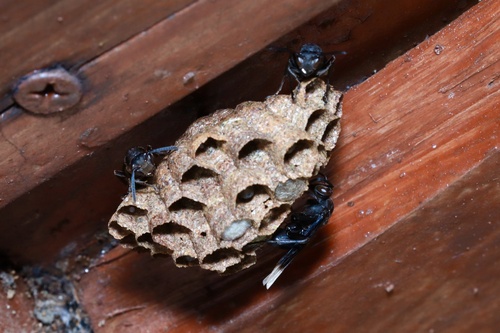
Mischocyttarus imitator
speciesMischocyttarus imitator
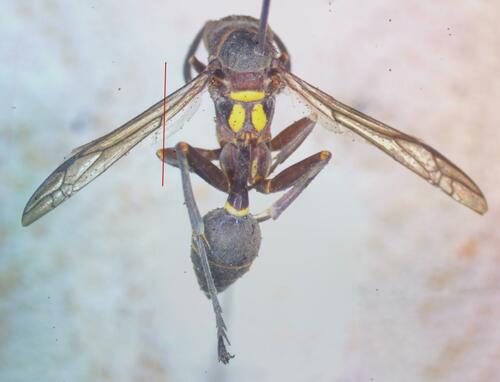
Mischocyttarus bertonii
speciesMischocyttarus bertonii
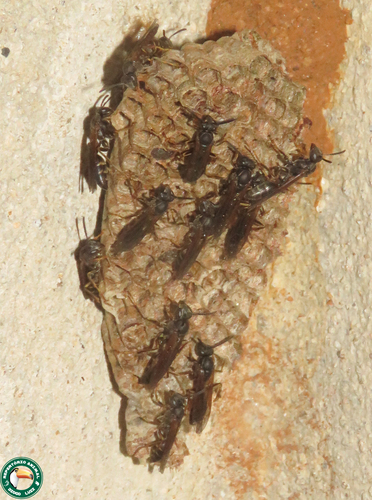
Mischocyttarus latior
speciesMischocyttarus latior

Mischocyttarus metathoracicus
speciesMischocyttarus metathoracicus
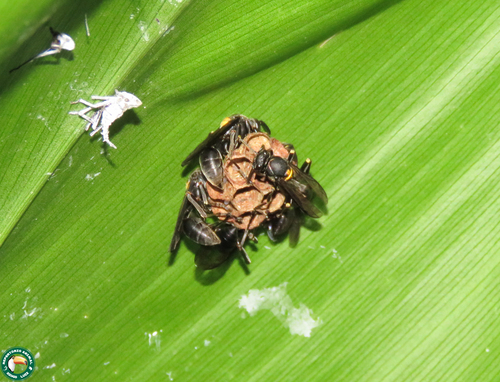
Mischocyttarus flavoscutellatus
speciesMischocyttarus flavoscutellatus
Mischocyttarus injucundus
speciesMischocyttarus injucundus
Mischocyttarus fitzgeraldi
speciesMischocyttarus fitzgeraldi

Mischocyttarus atramentarius
speciesMischocyttarus atramentarius
Where it lives
Recorded sightings
—
geo-referenced records in GBIF, from museums, herbaria and field observers.
Drag the globe to turn it. Dots are where records exist, not a range map; darker means more records.
In the stacks
Searching the stacks…
Every page naming Kappa in the Biodiversity Heritage Library →
This page is assembled live from iNaturalist, GBIF, Wikipedia, the Source Library and the Internet Archive. It is not yet part of the hand-edited codex. iNaturalist taxon 764784.