 NL·0583
Herbarium of the Nature Library
- Name
- Houbaropsis bengalensis
- Family
- Otididae
- Native to
- Terai and Brahmaputra floodplain grasslands of Nepal and NE India (Assam, Uttar Pradesh, Arunachal Pradesh); a separate subspecies in Cambodia and southern Vietnam
- Habitat
- Grassland, Floodplain
On eBird ↗
Bengal Florican
Live sightings near you, the range map, bar charts of when it is seen, and Macaulay Library photos and recordings.
Bengal florican
Houbaropsis bengalensis
Also calledBengal bustard
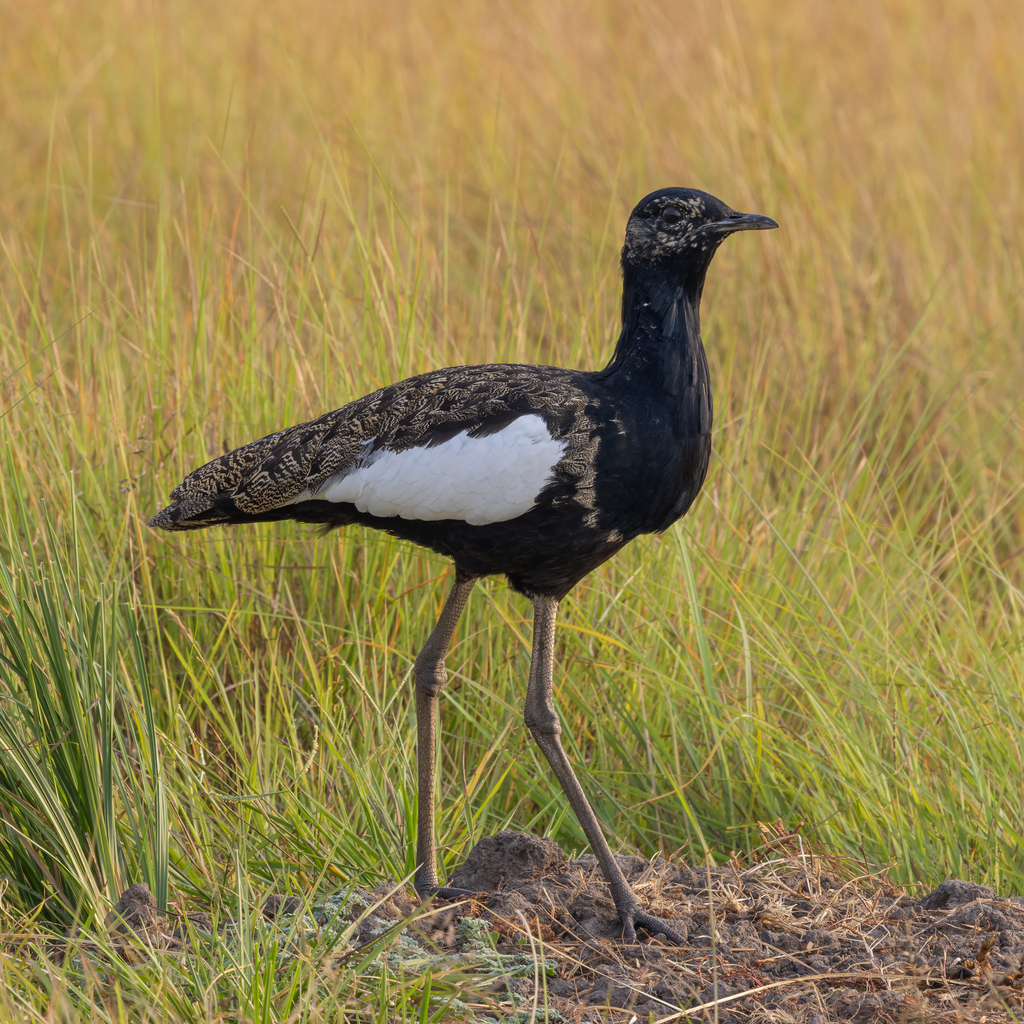
A rare bustard of tall floodplain grasslands, whose black male leaps above the grass in spectacular display flights showing almost wholly white wings. Fewer than about 1,000 survive in two populations, in the Indian subcontinent and in Cambodia.
The Bengal florican, also called the Bengal bustard, is a bustard species native to the Indian subcontinent, Cambodia, and Vietnam. It is listed as Critically Endangered on the IUCN Red List because fewer than 1,000 individuals were estimated to be alive as of 2017. It is the only member of the genus Houbaropsis. Wikipedia
What it can do
- iMales spring high above the grass in display, gliding back down with a whirr of wings
- iiFemales raise chicks alone, hidden in tall grass
- iiiDepends on grassland maintained by floods and fire
In the field
Field marks
- aMale: black head, neck and underparts with a slight crest
- bMale: wings almost entirely white, conspicuous in flight
- cFemale: buff-brown and heavily patterned, larger than the male
- dLong legs and neck; walks upright through grass
- Voice
- Usually silent; a metallic 'chik-chik' when flushed
- Not to be confused with
- Lesser florican (India) is smaller and males have long head plumes and a white collar; female Lesser florican is smaller and more slender.
- Where to see it
- Kaziranga and Manas (Assam), Dudhwa (Uttar Pradesh), Shuklaphanta and Koshi Tappu (Nepal), Tonle Sap grasslands (Cambodia)
- When
- Resident; best seen during displays Mar–May
Listen
Looking for field recordings…
Life & habits
- Diet
- Grasshoppers, beetles, ants and other insects; shoots, seeds and flowers
- Habitat
- Tall, wet alluvial grassland interspersed with shorter grass
- Size
- About 66–68 cm long
Males hold display territories in short grass patches in spring, leaping vertically into the air repeatedly at dawn and dusk.
Where it lives
Recorded sightings
—
geo-referenced records in GBIF, from museums, herbaria and field observers.
Native range
Terai and Brahmaputra floodplain grasslands of Nepal and NE India (Assam, Uttar Pradesh, Arunachal Pradesh); a separate subspecies in Cambodia and southern Vietnam
Drag the globe to turn it. Dots are where records exist, not a range map; darker means more records.
In the stacks
Searching the stacks…
Every page naming Houbaropsis bengalensis in the Biodiversity Heritage Library →
Marginalia
Colonial-era hunters prized it as a gamebird, and the drainage and ploughing of floodplain grasslands since have reduced it to protected reserves.
Curiosity
Unlike most bustards, the female is larger than the male.
Kinship
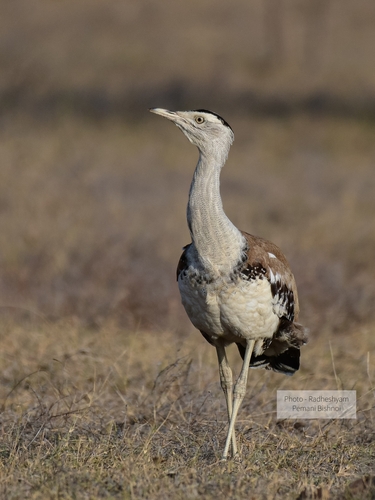
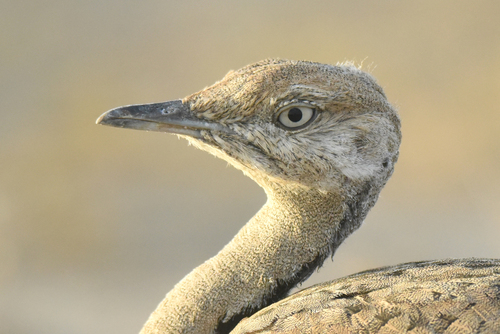


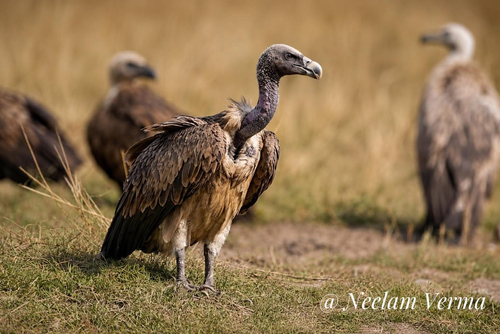
Photographs: iNaturalist contributors under the licences shown. Records: GBIF.org. Historical plates: Source Library (CC BY-SA 4.0; originals public domain). Summary text: Nature Library editors and Wikipedia (CC BY-SA). Medicinal and edibility notes are historical and educational, not advice. iNaturalist taxon 81.