- Plants
- ›Vascular Plants
- ›Ferns
- ›Leptosporangiate Ferns
- ›Polypod Ferns
- ›eupolypods I
- ›polypody family
- ›Drynarioideae
- ›Drynaria
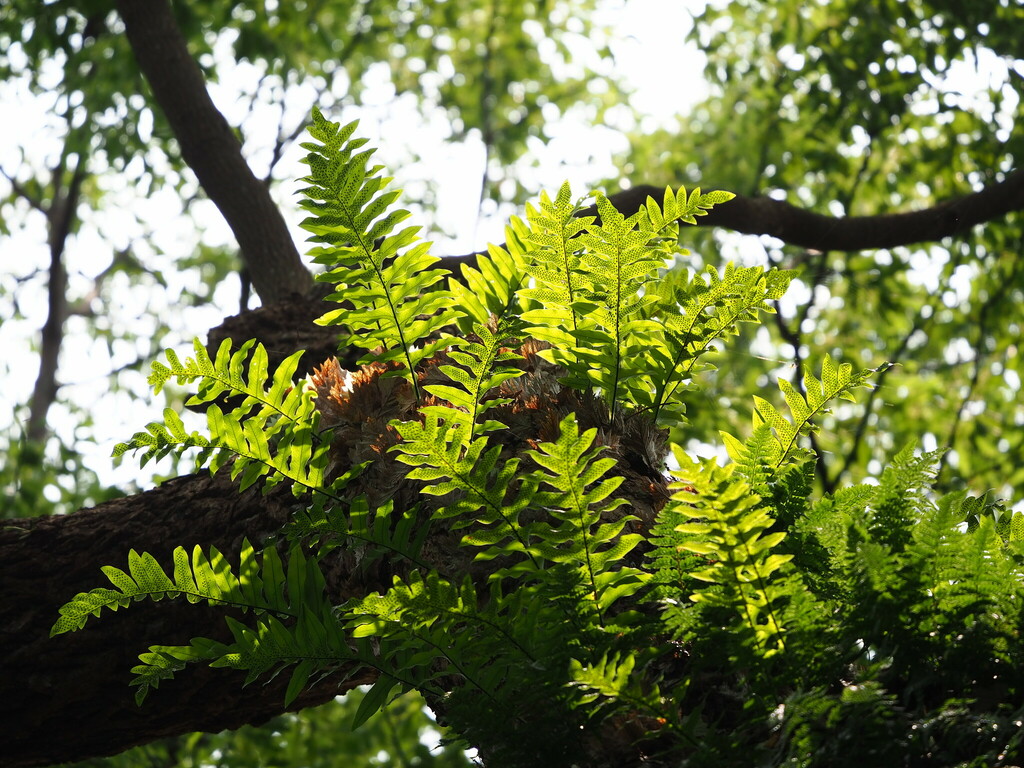
Drynaria roosii
Drynaria roosii, commonly known as gu-sui-bu, is a species of basket fern of the family Polypodiaceae. The plant is native to Eastern Asia, including eastern China.
It is used in traditional Chinese medicine. This species is also more frequently cited by Asian studies by its synonym, Drynaria fortunei; however, this is an illegitimate name.
From the article Drynaria roosii on Wikipedia (CC BY-SA), quoted section by section
Description
Drynaria roosii is an epiphytic (growing on trees) or epipetric (growing on rocks) plant. Like other species of Drynaria, they possess two frond types – a fertile foliage frond and a sterile nest frond. Sterile nest fronds are rounded shallowly-lobed reddish-brown fronds overlapping each other. They bear no sori and form a 'basket' characteristic of the genus. The fertile fronds are larger and deeply lobed. They bear 1 to 3 sori arranged on both sides of the central rib.
At the table
Preparations from the rhizomes of Drynaria roosii are used in traditional herbal medicine for aiding in the healing of bone fractures and for treating rheumatoid arthritis.
Wikipedia: “Medicinal uses”
In medicine
Modern studies of Drynaria roosii have identified in vitro effects on isolated bone cells. Flavan-3-ols and propelargonidins can be isolated from the rhizomes.
Wikipedia: “Pharmacological study”
Where it lives
Recorded sightings
—
geo-referenced records in GBIF, from museums, herbaria and field observers.
Drag the globe to turn it. Dots are where records exist, not a range map; darker means more records.
In the stacks
Searching the stacks…
Every page naming Drynaria roosii in the Biodiversity Heritage Library →
This page is assembled live from iNaturalist, GBIF, Wikipedia, the Source Library and the Internet Archive. It is not yet part of the hand-edited codex. iNaturalist taxon 810549.