- Animals
- ›Molluscs
- ›Bivalves
- ›Autobranchia
- ›Heteroconchia
- ›Freshwater Mussels and Brooch Clams
- ›Freshwater Mussels
- ›Unionoidea
- ›Hyriidae
- ›Hyriinae
- ›Castaliini
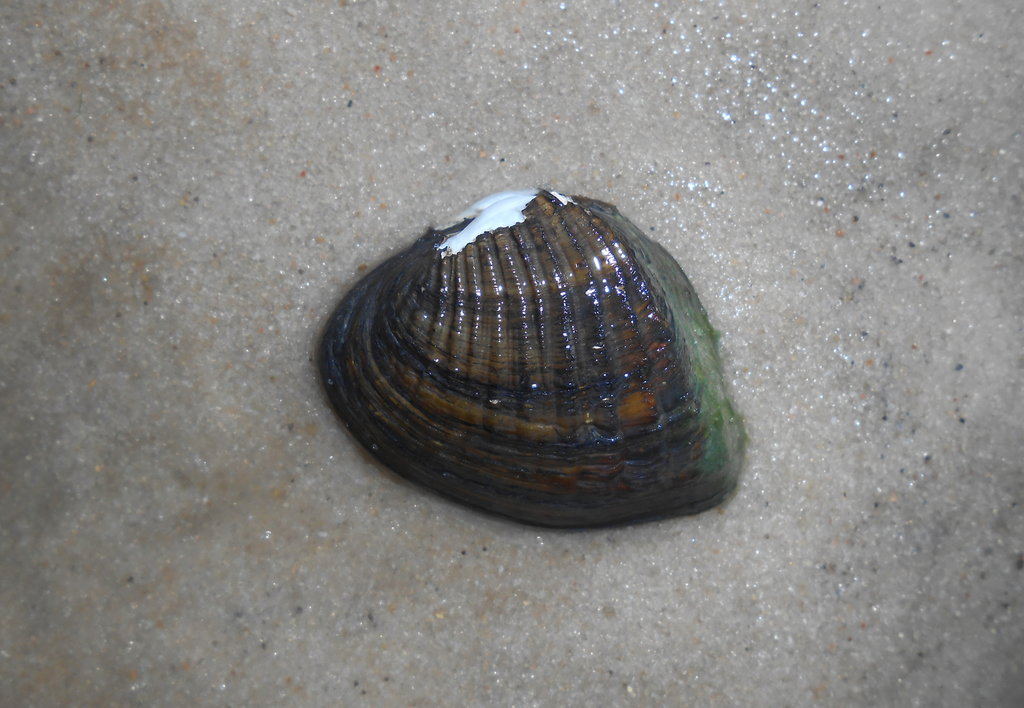
Castalia
Castalia (/kəˈsteɪliə/; Greek: Κασταλία), in Greek mythology, was a nymph whom Apollo transformed into a fountain at Delphi, at the base of Mount Parnassos, or at Mount Helicon. Castalia could inspire the genius of poetry to those who drank her waters or listened to their quiet sound; the sacred water was also used to clean the Delphian temples. Apollo consecrated Castalia to the Muses (Castaliae Musae).
13 branches of this genus, most-observed first
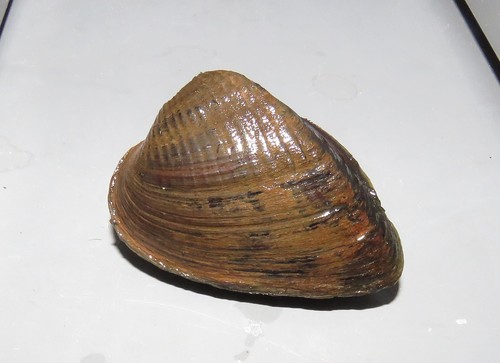
Castalia ambigua
speciesCastalia ambigua
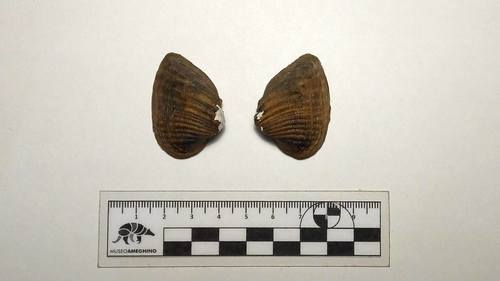
Castalia inflata
speciesCastalia inflata
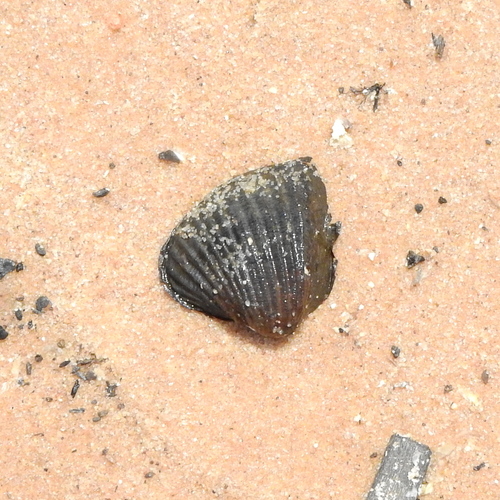
Castalia cordata
speciesCastalia cordata
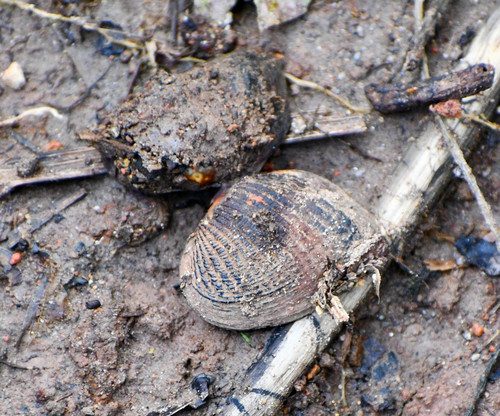
Castalia crosseana
speciesCastalia crosseana
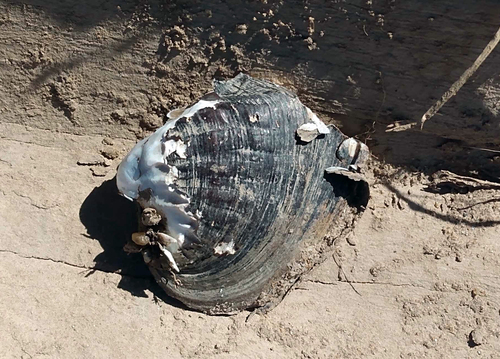
Castalia psammoica
speciesCastalia psammoica
Castalia multisulcata
speciesCastalia multisulcata
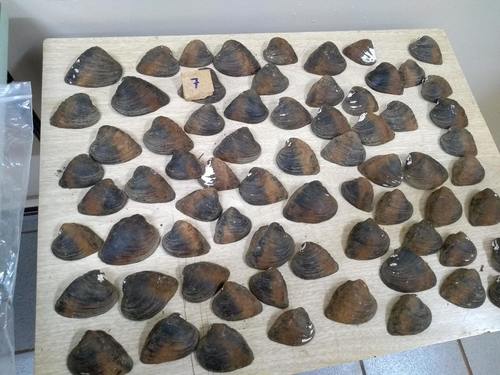
Castalia undosa
speciesCastalia undosa
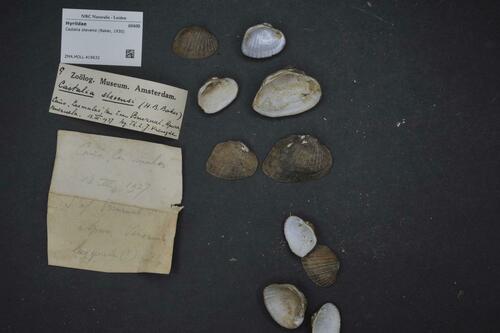
Castalia stevensi
speciesCastalia stevensi
Castalia orbignyi
speciesCastalia orbignyi
Castalia ecarinata
speciesCastalia ecarinata
Castalia nehringi
speciesCastalia nehringi
Castalia orinocensis
speciesCastalia orinocensis
Castalia martensi
speciesCastalia martensi
Where it lives
Recorded sightings
—
geo-referenced records in GBIF, from museums, herbaria and field observers.
Drag the globe to turn it. Dots are where records exist, not a range map; darker means more records.
In the stacks
Searching the stacks…
Every page naming Castalia in the Biodiversity Heritage Library →
This page is assembled live from iNaturalist, GBIF, Wikipedia, the Source Library and the Internet Archive. It is not yet part of the hand-edited codex. iNaturalist taxon 87252.