- Animals
- ›Chordates
- ›Vertebrates
- ›Ray-finned Fishes
- ›Spiny-rayed fishes
- ›Freshwater Sunfishes, Grunters, and Allies
- ›Freshwater Sunfishes and relatives
- ›Pygmy Sunfishes

Pygmy Sunfishes
Elassoma
Elassoma is a genus of freshwater fish, the only member of family Elassomatidae in the order Centrarchiformes. The type species is E. zonatum, the banded pygmy sunfish. The Elassomatidae are known collectively as pygmy sunfishes, and are thought to be closely related to the true freshwater sunfishes in Centrarchidae. In the past, researchers believed they were related to sticklebacks and pipefishes (order Syngnathiformes) rather than Centrarchiformes, though genetic research strongly implies a close relationship with the centrarchids.
The pygmy sunfishes grow to a maximum overall length of 3 to 4 cm (1 to 1.5 in). They occur mostly in temperate and subtropical swamps, marshes, and other shallow, slow-moving, and heavily vegetated waters, across an area of the American South stretching from the Coastal Plain of North Carolina to central Florida, west along the Gulf Coast to eastern Texas, and north up the Mississippi River Valley to southern Illinois. The bluebarred, Carolina, and spring pygmy sunfishes have small localized populations and are considered Vulnerable.
7 branches of this genus, most-observed first · about 7 known species
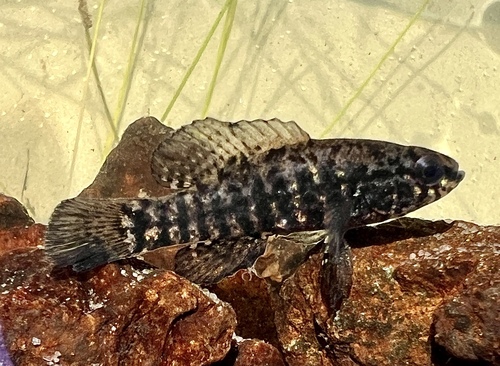
Banded Pygmy Sunfish
speciesElassoma zonatum
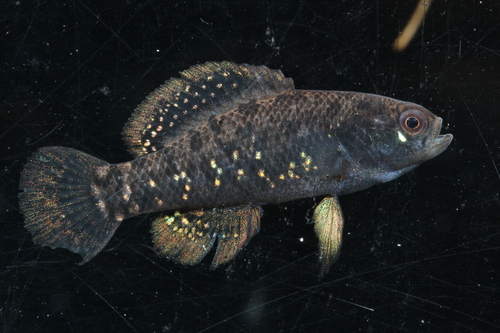
Everglades Pygmy Sunfish
speciesElassoma evergladei
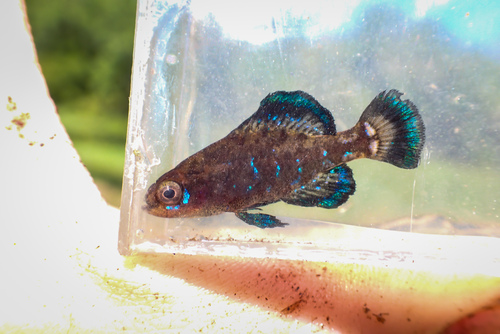
Okefenokee Pygmy Sunfish
speciesElassoma okefenokee

Gulf Coast Pygmy Sunfish
speciesElassoma gilberti
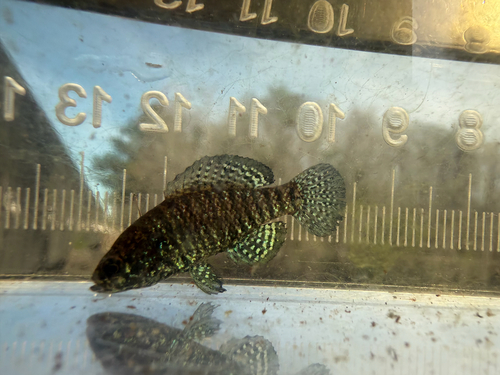
Carolina Pygmy Sunfish
speciesElassoma boehlkei
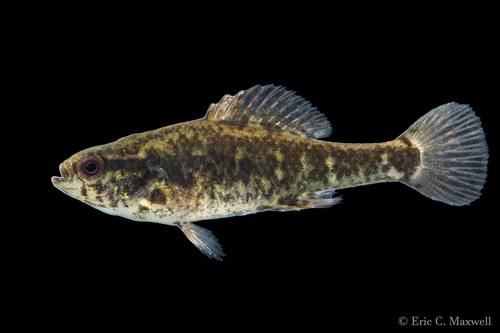
Spring Pygmy Sunfish
speciesElassoma alabamae
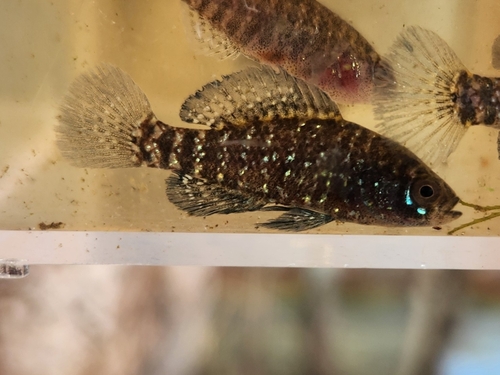
Bluebarred Pygmy Sunfish
speciesElassoma okatie
Where it lives
Recorded sightings
—
geo-referenced records in GBIF, from museums, herbaria and field observers.
Drag the globe to turn it. Dots are where records exist, not a range map; darker means more records.
In the stacks
Searching the stacks…
Every page naming Elassoma in the Biodiversity Heritage Library →
This page is assembled live from iNaturalist, GBIF, Wikipedia, the Source Library and the Internet Archive. It is not yet part of the hand-edited codex. iNaturalist taxon 88119.