- Animals
- ›Molluscs
- ›Gastropods
- ›Caenogastropods
- ›Littorinimorpha
- ›Looping Snails and Allies
- ›Hydrobiid Mud Snails
- ›Nymphophilinae
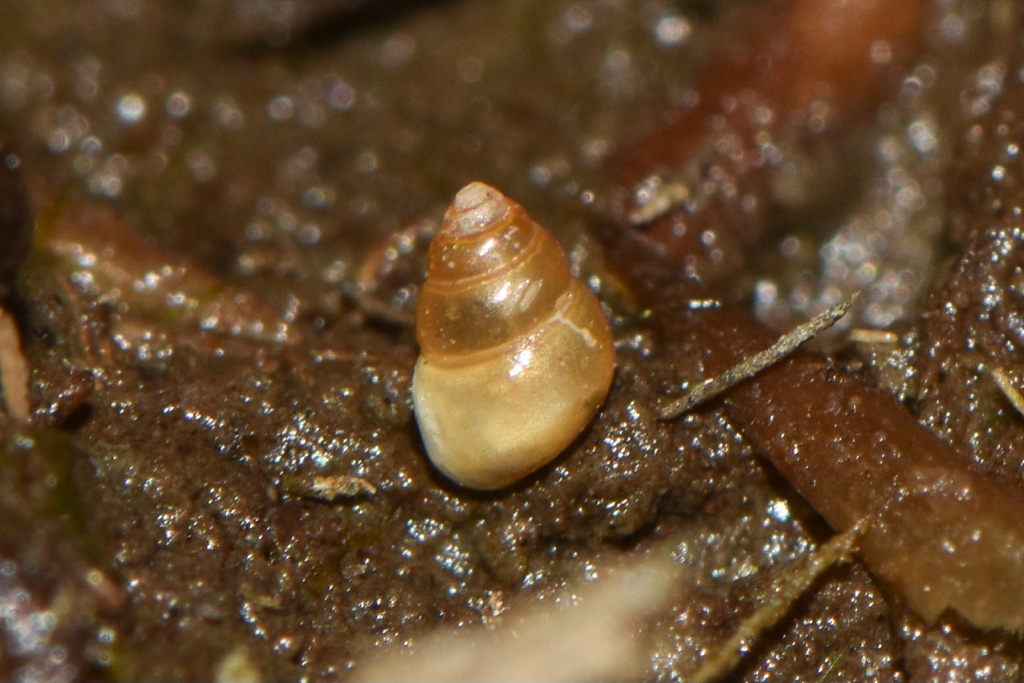
Floridobia
Floridobia is a genus of very small freshwater snails (and one species found in brackish coastal marshes) that have an operculum, in the family Hydrobiidae, the mud snails.
Floridobia siltsnails are dioecious (having separate male and female individuals). Females are usually much larger and more numerous than males. They are believed to have a life-span of about one year. In the relatively warm waters of Florida springs, reproduction occurs year-round. The snails feed on microbial organisms and detritus attached to surfaces. Floridobia species tolerate low dissolved oxygen levels found near spring vents, which helps protect then from most fish predators.
14 branches of this genus, most-observed first
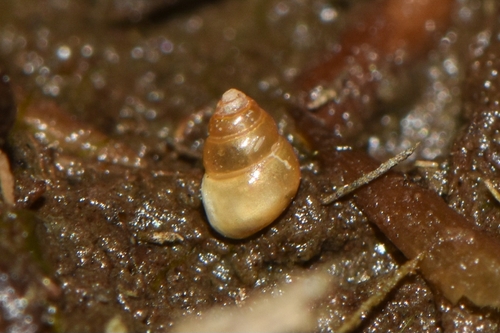
New England Siltsnail
speciesFloridobia winkleyi
Hyacinth Siltsnail
speciesFloridobia floridana
Alexander Siltsnail
speciesFloridobia alexander
Creek Siltsnail
speciesFloridobia fraterna
Flatwood Siltsnail
speciesFloridobia leptospira
Rock Springs Siltsnail
speciesFloridobia petrifons
Green Cove Springsnail
speciesFloridobia porterae
Crystal Siltsnail
speciesFloridobia helicogyra
Ichetucknee Siltsnail
speciesFloridobia mica
Enterprise Siltsnail
speciesFloridobia monroensis
Pygmy Siltsnail
speciesFloridobia parva
Ponderous Siltsnail
speciesFloridobia ponderosa
Seminole Siltsnail
speciesFloridobia vanhyningi
Wekiva Siltsnail
speciesFloridobia wekiwae
Where it lives
Recorded sightings
—
geo-referenced records in GBIF, from museums, herbaria and field observers.
Drag the globe to turn it. Dots are where records exist, not a range map; darker means more records.
In the stacks
Searching the stacks…
Every page naming Floridobia in the Biodiversity Heritage Library →
This page is assembled live from iNaturalist, GBIF, Wikipedia, the Source Library and the Internet Archive. It is not yet part of the hand-edited codex. iNaturalist taxon 88388.