- Animals
- ›Molluscs
- ›Bivalves
- ›Autobranchia
- ›Heteroconchia
- ›Freshwater Mussels and Brooch Clams
- ›Freshwater Mussels
- ›Unionoidea
- ›River Mussels
- ›Parreysiinae
- ›Indochinellini
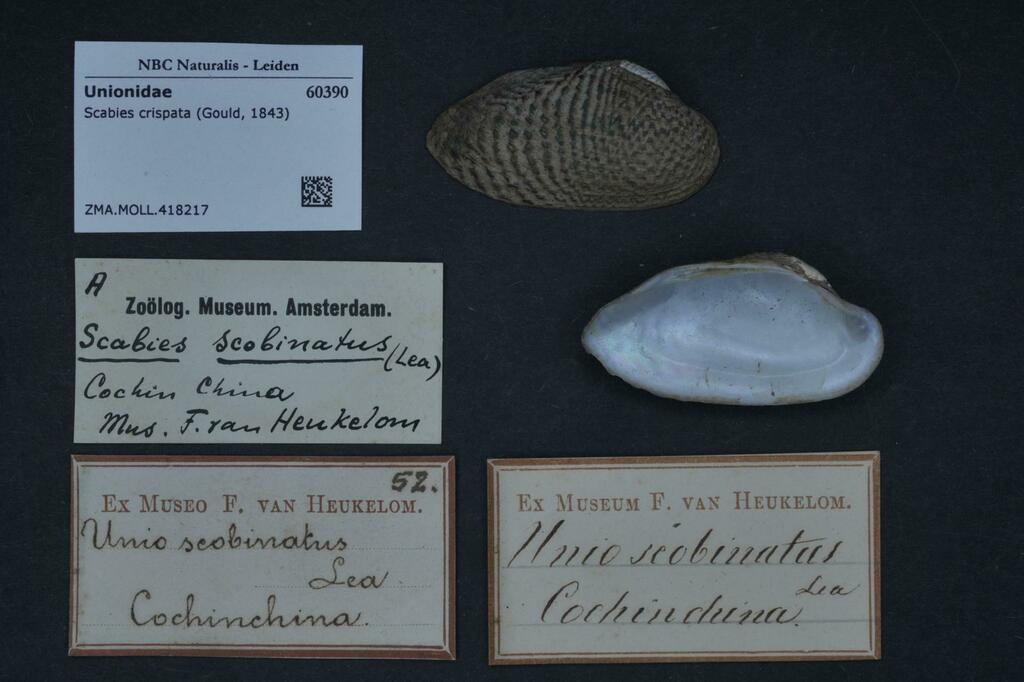
Scabies
Scabies (, SKAY-beez; also sometimes known as the seven-year itch) is a contagious human skin infestation by the tiny (0.2–0.45 mm) mite Sarcoptes scabiei, variety hominis. The word is from Latin: scabere, lit. 'to scratch'. It is a particular public health problem in crowded settings such as care homes, schools, refugee camps, prisons, and hospitals. The most common symptoms are severe itchiness and a pimple-like rash. Occasionally, tiny burrows may appear on the skin from eggs that are about to hatch. In a first-ever infection, the infected person usually develops symptoms within three weeks. During a second infection, symptoms may begin within 24 hours. These symptoms can be present across most of the body or just in certain areas such as the wrists, between fingers, or along the waistline. The head may be affected, but this is typically only in young children. The itch is often worse at night. Scratching may cause skin breakdown and an additional bacterial infection in the skin.
Various names have been given to this condition and the name "seven year itch" has been recorded in many documents from the 1800s. Although the 1952 play The Seven Year Itch and modern treatment methods have generally changed this name to refer to human relationships, the condition was historically very difficult to treat.
3 branches of this genus, most-observed first

Avocado Clam
speciesScabies crispata
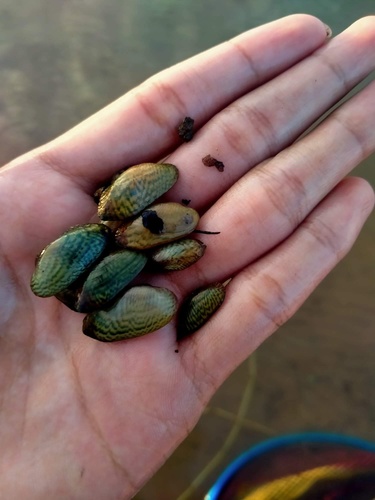
Scabies phaselus
speciesScabies phaselus
Scabies nucleus
speciesScabies nucleus
Where it lives
Recorded sightings
—
geo-referenced records in GBIF, from museums, herbaria and field observers.
Drag the globe to turn it. Dots are where records exist, not a range map; darker means more records.
In the stacks
Searching the stacks…
Every page naming Scabies in the Biodiversity Heritage Library →
This page is assembled live from iNaturalist, GBIF, Wikipedia, the Source Library and the Internet Archive. It is not yet part of the hand-edited codex. iNaturalist taxon 91888.