- Plants
- ›Vascular Plants
- ›flowering plants
- ›Dicots
- ›Roses, Elms, Figs, and Allies
- ›rose family
- ›Amygdaloideae
Amygdaleae
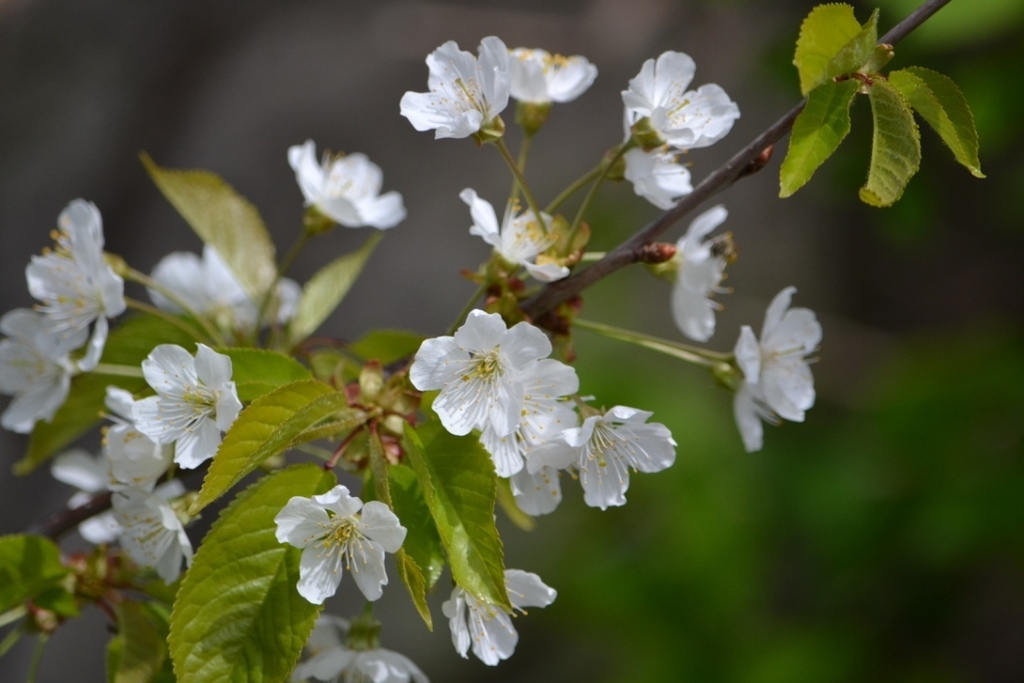
Prunus is a genus of flowering trees and shrubs from the rose family (Rosaceae) that produce stone fruits, or drupes. As of March 2024, the genus has about 340 accepted species, including almonds, apricots, cherries, peaches (and nectarines), and plums. It has a cosmopolitan distribution, being native to the temperate regions of North America, the neotropics of South America, and temperate and tropical regions of Eurasia and Africa.
Many Prunus species are widely cultivated for their sweet, fleshy fruit, as well as for decorative purposes due to the colorful seasonal blossom of their flowers. Many species are cyanogenic, making certain parts of the plant toxic. The fleshy outer portion of the fruit can be eaten fresh, while the pit is edible in some species but poisonous in many others. Most Prunus fruit are also made into processed foods and beverages such as canned and dried fruit, juices (e.g. cherry and prune juice), jam, gelatine desserts, and roasted seeds.
1 branches of this tribe, most-observed first
See this branch on the Wheel of Life →
Where it lives
Recorded sightings
—
geo-referenced records in GBIF, from museums, herbaria and field observers.
Drag the globe to turn it. Dots are where records exist, not a range map; darker means more records.
In the stacks
Searching the stacks…
Every page naming Amygdaleae in the Biodiversity Heritage Library →
This page is assembled live from iNaturalist, GBIF, Wikipedia, the Source Library and the Internet Archive. It is not yet part of the hand-edited codex. iNaturalist taxon 922113.