- Animals
- ›Chordates
- ›Vertebrates
- ›Mammals
- ›Therians
- ›Placental Mammals
- ›Afromammals
- ›Proboscideans
- ›Elephants
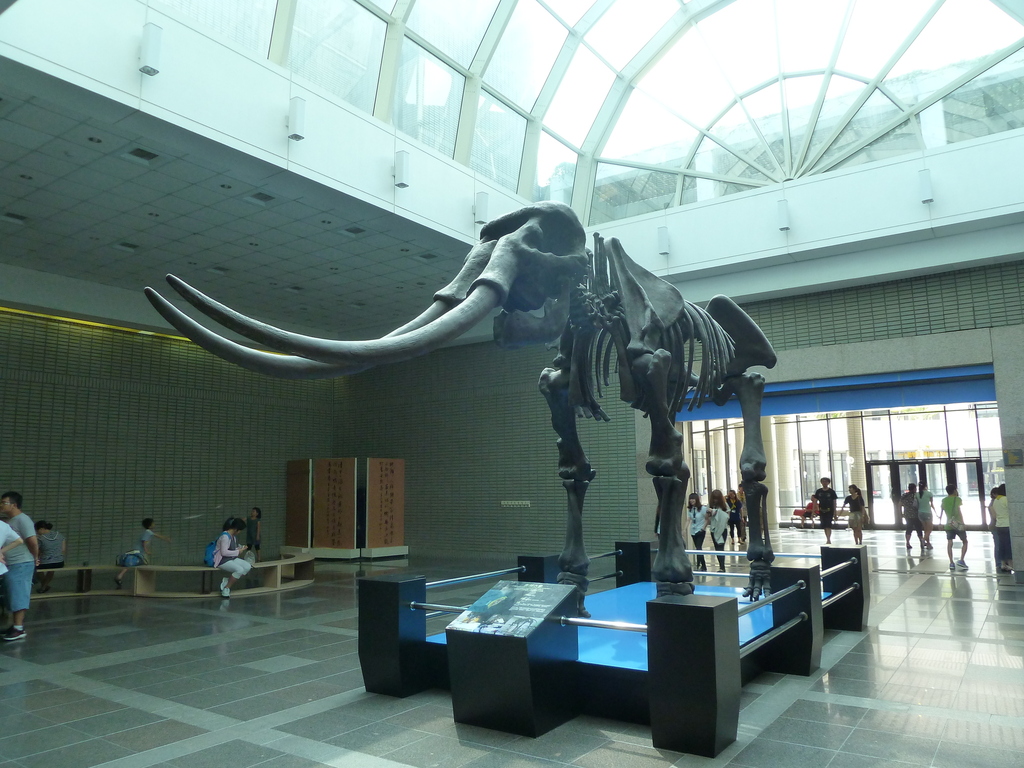
Straight-tusked Elephants
Palaeoloxodon
Palaeoloxodon is an extinct genus that contains the various species of straight-tusked elephants. Its species' remains have been found in Bilzingsleben, Germany; Cyprus; Japan; India; Sicily; Malta; and England during the excavation of the second Channel Tunnel. The English discovery, in 2006 in northwest Kent, dated to around 400,000 years ago, and was of a single adult; associated with it were Palaeolithic stone butchering tools of the type used by Homo heidelbergensis. One species, Palaeoloxodon namadicus,...
4 branches of this genus, most-observed first

African Straight-tusked Elephant
speciesPalaeoloxodon recki
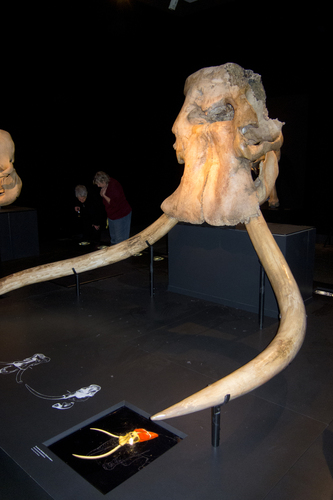
Eurasian Straight-tusked Elephant
speciesPalaeoloxodon antiquus

Asian Straight-tusked Elephant
speciesPalaeoloxodon namadicus

Sicilian Dwarf Elephant
speciesPalaeoloxodon falconeri
Where it lives
Recorded sightings
—
geo-referenced records in GBIF, from museums, herbaria and field observers.
Drag the globe to turn it. Dots are where records exist, not a range map; darker means more records.
In the stacks
Searching the stacks…
Every page naming Palaeoloxodon in the Biodiversity Heritage Library →
This page is assembled live from iNaturalist, GBIF, Wikipedia, the Source Library and the Internet Archive. It is not yet part of the hand-edited codex. iNaturalist taxon 936336.