- Animals
- ›Arthropods
- ›Hexapods
- ›Insects
- ›Winged and Once-winged Insects
- ›True Bugs, Hoppers, Aphids, and allies
- ›True Hoppers
- ›Planthoppers
- ›Fulgoroidea
- ›Achilid Planthoppers
- ›Myconinae
- ›Plectoderini
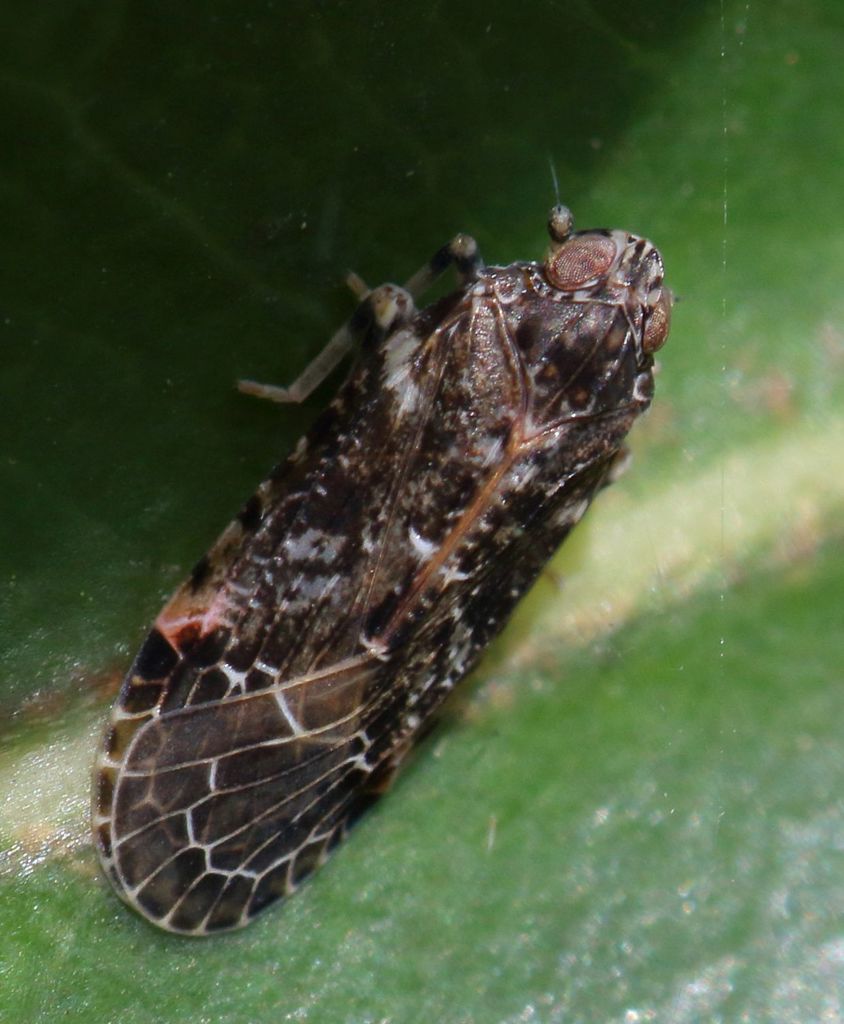
Cnidus
Knidos or Cnidus (; Ancient Greek: Κνίδος, Ancient: [knídos], Modern: [ˈkniðos], Knídos) was a Greek city in ancient Caria and part of the Dorian Hexapolis, in south-western Asia Minor, modern-day Turkey. It was situated on the Datça peninsula, which forms the southern side of the Sinus Ceramicus, now known as Gulf of Gökova. By the 4th century BC, Knidos was located at the site of modern Tekir, opposite Triopion Island. But earlier, it was probably at the site of modern Datça (at the half-way point of the peninsula).
It was built partly on the mainland and partly on the Island of Triopion or Cape Krio. The debate about it being an island or cape is caused by the fact that in ancient times it was connected to the mainland by a causeway and bridge. Today the connection is formed by a narrow sandy isthmus. By means of the causeway the channel between island and mainland was formed into two harbours, of which the larger, or southern, was further enclosed by two strongly built moles that are still in good part entire.
12 branches of this genus, most-observed first
Cnidus bingervillei
speciesCnidus bingervillei
Cnidus candidus
speciesCnidus candidus
Cnidus conspersus
speciesCnidus conspersus
Cnidus fuscospersus
speciesCnidus fuscospersus
Cnidus marmoratus
speciesCnidus marmoratus
Cnidus morosus
speciesCnidus morosus
Cnidus naevius
speciesCnidus naevius
Cnidus pallidus
speciesCnidus pallidus
Cnidus variegatus
speciesCnidus variegatus
Cnidus striatifrons
speciesCnidus striatifrons
Cnidus ndelelensis
speciesCnidus ndelelensis
Cnidus akaensis
speciesCnidus akaensis
Where it lives
Recorded sightings
—
geo-referenced records in GBIF, from museums, herbaria and field observers.
Drag the globe to turn it. Dots are where records exist, not a range map; darker means more records.
In the stacks
Searching the stacks…
Every page naming Cnidus in the Biodiversity Heritage Library →
This page is assembled live from iNaturalist, GBIF, Wikipedia, the Source Library and the Internet Archive. It is not yet part of the hand-edited codex. iNaturalist taxon 961455.