- Fungi Including Lichens
- ›Ascomycete Fungi
- ›Sac Fungi and Lichens
- ›Dothideomycetes
- ›Botryosphaeriales
- ›Botryosphaeriaceae
- ›Lasiodiplodia
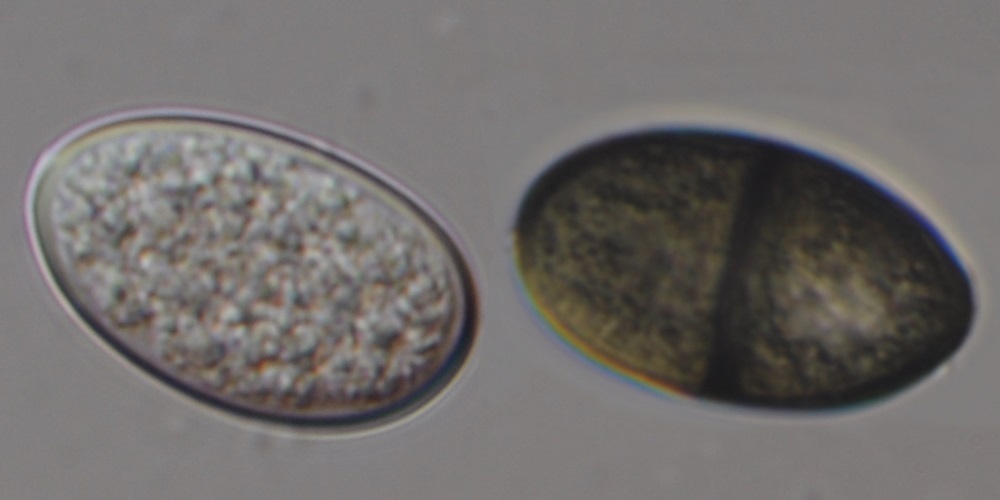
Lasiodiplodia theobromae
Lasiodiplodia theobromae is a plant pathogen with a very wide host range. It causes rotting and dieback in most species it infects. It is a common postharvest fungus disease of citrus known as stem-end rot. It is a cause of bot canker of grapevine. It also infects Biancaea sappan, a species of flowering tree also known as Sappanwood.
On rare occasions it has been found to cause fungal keratitis, lesions on nail and subcutaneous tissue.
Where it lives
Recorded sightings
—
geo-referenced records in GBIF, from museums, herbaria and field observers.
Drag the globe to turn it. Dots are where records exist, not a range map; darker means more records.
In the stacks
Searching the stacks…
Every page naming Lasiodiplodia theobromae in the Biodiversity Heritage Library →
This page is assembled live from iNaturalist, GBIF, Wikipedia, the Source Library and the Internet Archive. It is not yet part of the hand-edited codex. iNaturalist taxon 976291.