- Animals
- ›Molluscs
- ›Bivalves
- ›Autobranchia
- ›Heteroconchia
- ›Euheterodonta
- ›Imparidentia
- ›True Cockles, Tellins, and Allies
- ›Tellins, Sunset Clams, and Allies
- ›Tellins and Allies
- ›Tellininae
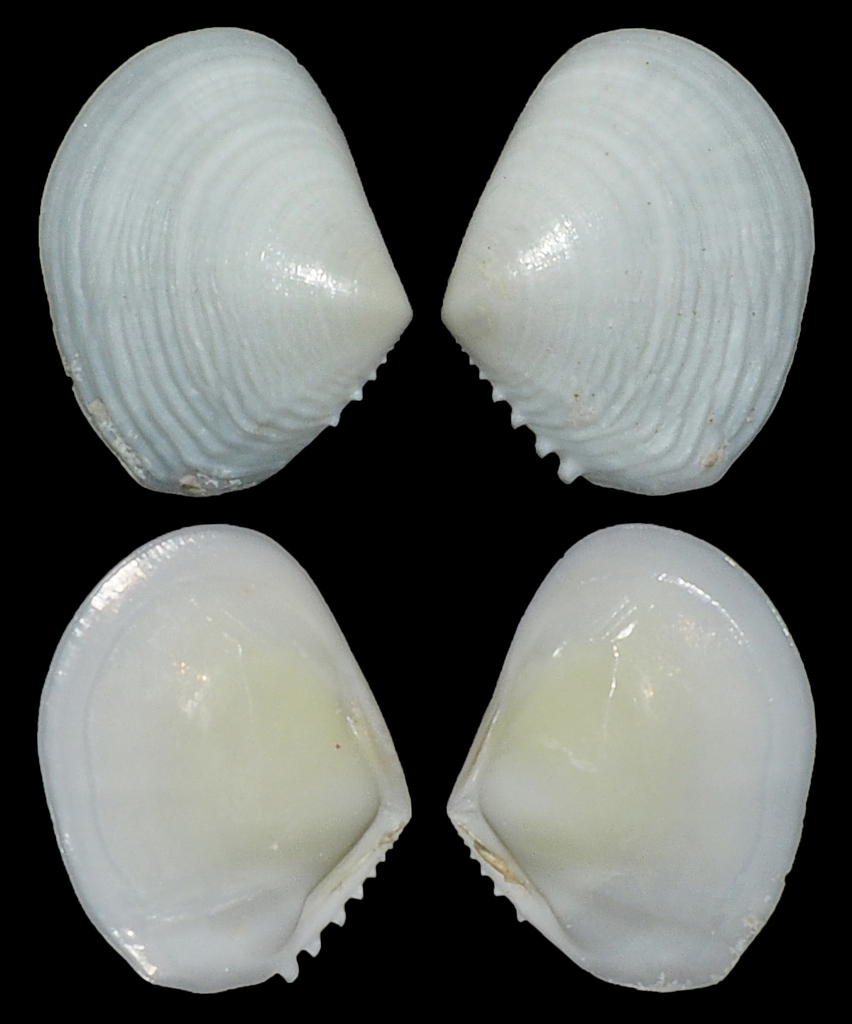
Quadrans
The quadrans (lit. 'a quarter') or teruncius (lit. 'three unciae') was a low-value Roman bronze coin worth one quarter of an as. The quadrans was issued from the beginning of cast bronze coins during the Roman Republic, showing three pellets representing three unciae as a mark of value. The obverse type, after some early variations, featured the bust of Hercules, while the reverse featured the prow of a galley. Coins with the same value were issued from other cities in Central Italy, using a cast process.
After c. 90 BC, when bronze coinage was reduced to the semuncial standard, the quadrans became the lowest-valued coin in production. Surviving quadrantes from this period (though that name is not shown on the coins) typically have weights between 1.5 grams and 4 grams, perhaps depending in part on the alloy or metals contained. It was produced sporadically until the time of Antoninus Pius (AD 138–161). Unlike other coins during the Roman Empire, the quadrans rarely bore the image of the emperor, due to its small size.
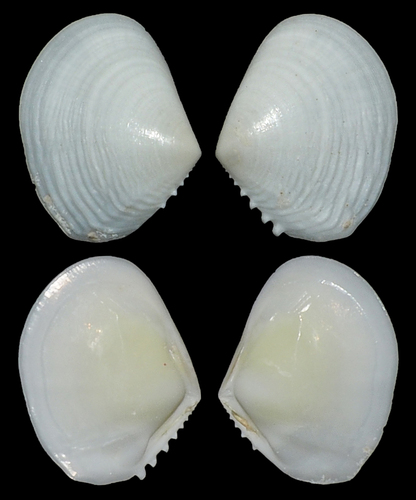
Where it lives
Recorded sightings
—
geo-referenced records in GBIF, from museums, herbaria and field observers.
Drag the globe to turn it. Dots are where records exist, not a range map; darker means more records.
In the stacks
Searching the stacks…
Every page naming Quadrans in the Biodiversity Heritage Library →
This page is assembled live from iNaturalist, GBIF, Wikipedia, the Source Library and the Internet Archive. It is not yet part of the hand-edited codex. iNaturalist taxon 995334.