The Apothecary / Heart & circulation
Cholesterol
95 remedies
Reference, not prescription. Nothing here is medical advice. Herbs can interact with medicines and be dangerous in pregnancy; tell your doctor or pharmacist about anything you take.
Strong evidence
StrongAn approved medicine, or consistent good-quality trials and reviews.Aspergillus terreus
Aspergillus terreus
Lovastatin, a prescription drug made from this fungus, inhibits HMG-CoA reductase, the rate-limiting enzyme of cholesterol synthesis. In the AFCAPS/TexCAPS trial (6,605 adults), lovastatin 20–40 mg daily lowered LDL cholesterol by 25%.
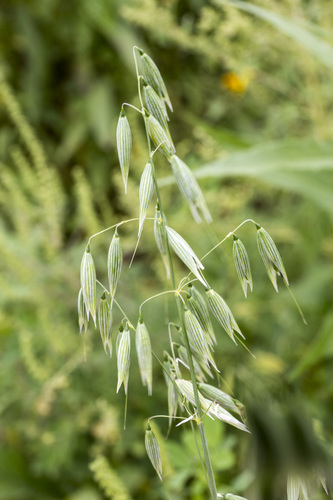
Oat
Avena sativa
A meta-analysis of 28 randomised trials found that at least 3 g a day of oat beta-glucan lowered LDL cholesterol by 0.25 mmol/L and total cholesterol by 0.30 mmol/L, with no change in HDL or triglycerides; health claims worldwide rest on this dose.
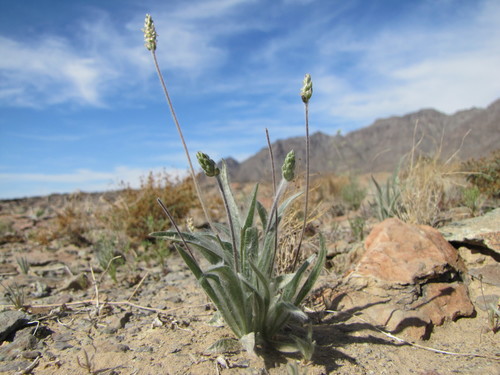
Psyllium (Blond plantain)
Plantago ovata
A 2018 meta-analysis of 28 trials (1,924 people) found about 10 g a day lowered LDL cholesterol by 0.33 mmol/L (about 13 mg/dL), with similar falls in non-HDL cholesterol and apoB. The FDA allows a claim that 7 g a day of soluble fibre from psyllium husk, in a low-fat diet, may reduce heart disease risk.
Red yeast rice mould
Monascus purpureus
Meta-analyses of randomised trials consistently find that red yeast rice lowers LDL cholesterol by roughly 29–36 mg/dl and total cholesterol by 33–37 mg/dl; one pooled 14 double-blind trials. The effect depends on monacolin K content, which in US products varied more than 60-fold, and some products contain almost none.
Moderate evidence
ModerateSeveral trials, mostly positive, or an EMA ‘well-established use’ monograph.
Almond
Prunus amygdalus
A 2025 meta-analysis of 36 publications (2,485 participants) found that eating almonds lowered LDL cholesterol by about 0.13 mmol/L (about 5 mg/dL), along with total cholesterol, non-HDL cholesterol and apolipoprotein B; the effect held in the higher-quality studies. An earlier meta-analysis using about 42.5 g/day found LDL about 6 mg/dL lower.
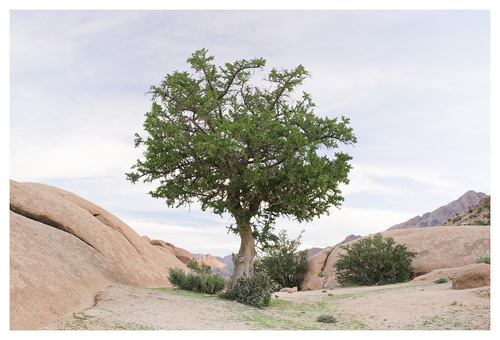
Argan
Argania spinosa
A 2018 meta-analysis of 5 randomised trials (292 people, at least 2 weeks of dietary argan oil) found lower total cholesterol (by about 17 mg/dl), LDL (about 12 mg/dl) and triglycerides (about 14 mg/dl) and higher HDL (about 4 mg/dl) than control; the trials were small, and effects on heart outcomes are unknown.
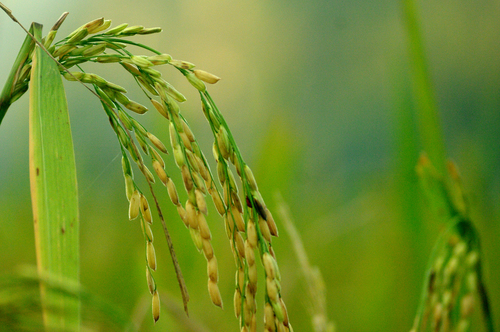
Asian rice
Oryza sativa
Red yeast rice (rice fermented with Monascus purpureus) contains monacolin K, chemically identical to lovastatin. A meta-analysis of 15 RCTs found it lowered LDL cholesterol about as much as statins in the trials compared. NCCIH notes that effectiveness depends on monacolin K content, which varies widely and is usually not labelled.
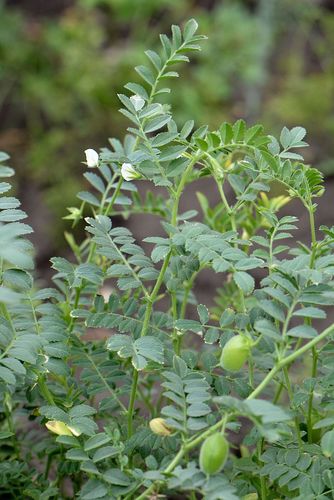
Chickpea
Cicer arietinum
A meta-analysis of 26 randomised trials found that about one serving of pulses a day (median 130 g) lowered LDL cholesterol by 0.17 mmol/L. In a small crossover trial, a chickpea-supplemented diet lowered LDL by 0.20 mmol/L compared with a wheat diet of similar fibre content.
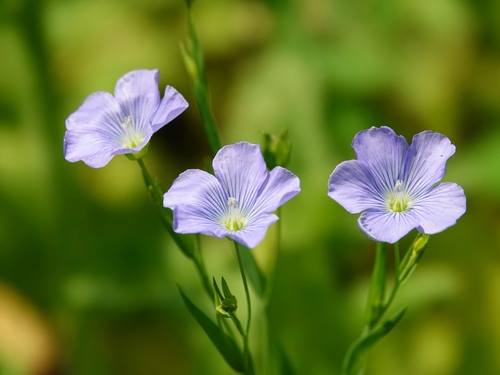
Flax (Linseed)
Linum usitatissimum
Pooling 62 trials (3,772 people), flaxseed lowered total cholesterol by about 5 mg/dL, LDL by about 4 mg/dL and triglycerides by about 9 mg/dL, with no change in HDL. Effects are small.
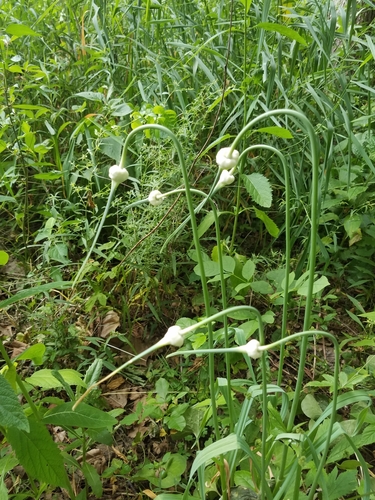
Garlic
Allium sativum
A meta-analysis of 39 trials found garlic lowered total cholesterol by about 17 mg/dL and LDL by about 9 mg/dL in people with raised cholesterol when taken for more than two months. NCCIH describes the effect as small.
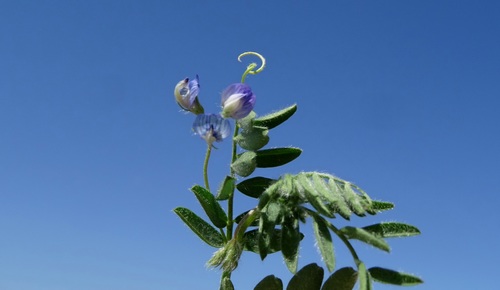
Lentil
Vicia lens
A 2014 meta-analysis of 26 randomised trials (1037 people) found that diets including about one serving (median 130 g) of pulses a day, lentils among them, lowered LDL cholesterol by about 0.17 mmol/L compared with similar diets without pulses.

Olive
Olea europaea
EFSA accepted, and the EU authorised (Regulation 432/2012), a claim that olive-oil polyphenols contribute to the protection of blood lipids from oxidative stress, for oils providing at least 5 mg hydroxytyrosol and derivatives per 20 g. This concerns LDL oxidation, not cholesterol levels.
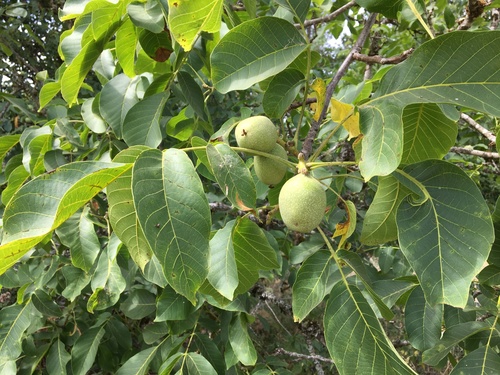
Persian walnut
Juglans regia
A meta-analysis of 26 controlled trials (1,059 people) found walnut-enriched diets lowered total cholesterol by about 7 mg/dL and LDL by about 5.5 mg/dL more than control diets (3–4% greater reductions), without affecting body weight or blood pressure.
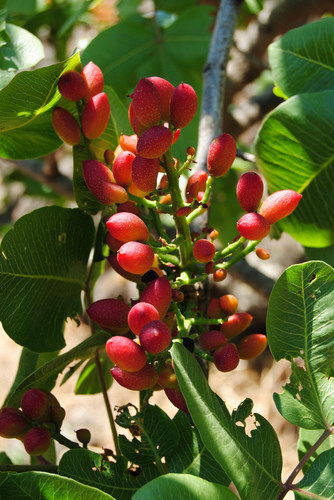
Pistachio
Pistacia vera
Randomised cardiovascular trials reviewed in 2012 and 2015 show pistachios produce a more favourable blood-lipid profile when eaten in place of other foods.
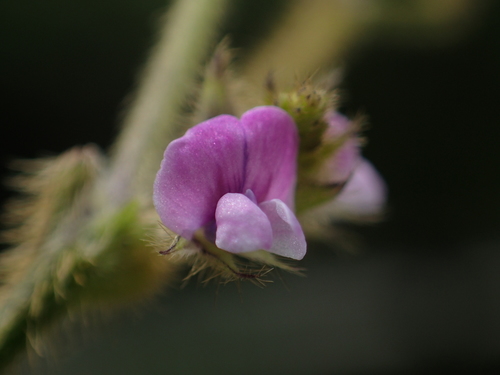
Soybean
Glycine max
A meta-analysis of the 43 trials the FDA used in reviewing its soy heart-health claim found that soy protein (median 25 g a day for about 6 weeks) lowered LDL cholesterol by 3–4%. NCCIH describes the effect as small.
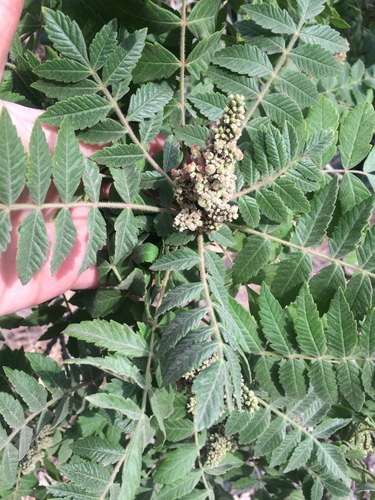
Sumac
Rhus coriaria
Pooling 17 trials with 1,170 participants, sumac lowered LDL cholesterol by about 10 mg/dL, total cholesterol by about 9 mg/dL and triglycerides by about 9 mg/dL, and raised HDL by about 3 mg/dL. A second meta-analysis of 15 trials also found improved lipid profiles.
Limited evidence
LimitedSmall or few trials, mixed results, or mainly lab and animal work.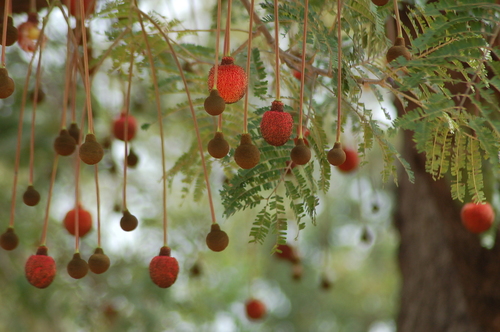
African locust bean
Parkia biglobosa
Regular eaters of the fermented seed had better TC/HDL and LDL/HDL ratios in the observational comparison above; seed protein isolates reduced diabetes-induced dyslipidaemia in rats.

African moringa
Moringa stenopetala
In the cohort, mean total cholesterol was 126 mg/dl in moringa eaters against 146 mg/dl in non-eaters. Leaf extracts also limited rises in cholesterol and triglycerides in fructose-fed rats. Neither is controlled human evidence.
Almond mushroom
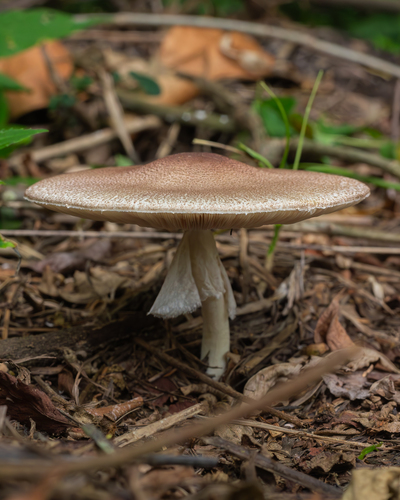
Agaricus subrufescens
A study of mycelial protein-bound polysaccharides in 90 women over 8 weeks reported an 11% fall in cholesterol and 11.8% weight reduction; an early study, summarised in a 2008 review as interesting but insufficient.
Amla (Indian gooseberry)
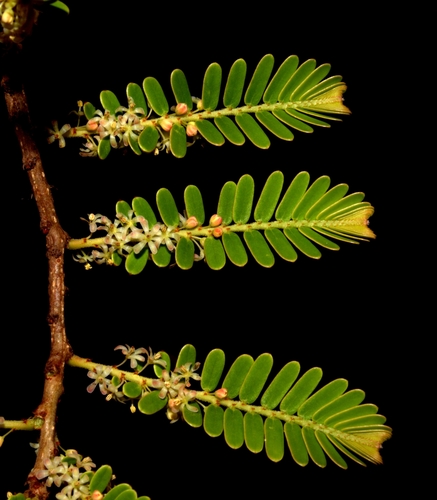
Phyllanthus emblica
A 2023 meta-analysis of 9 small RCTs (535 people, 500–1,500 mg/day for 2–12 weeks) found LDL cholesterol about 15 mg/dL lower and triglycerides about 22 mg/dL lower than placebo, with large differences between studies; the authors urged caution.

Antrodia
Taiwanofungus camphoratus
In 36 adults with borderline-high cholesterol, two 380 mg solid-state mycelium capsules twice daily for 3 months gave modest falls in total cholesterol without adverse effects on liver or kidney function.
Apple
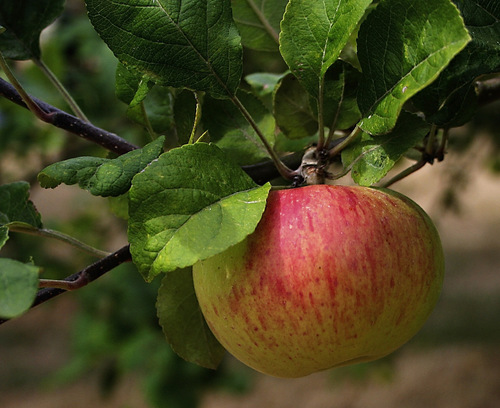
Malus domestica
A 2022 meta-analysis of 18 trials found only a non-significant trend to lower total and LDL cholesterol (about 3 mg/dL) with apples or apple products, larger in people with high cholesterol; another found higher HDL and lower C-reactive protein.
Arjuna
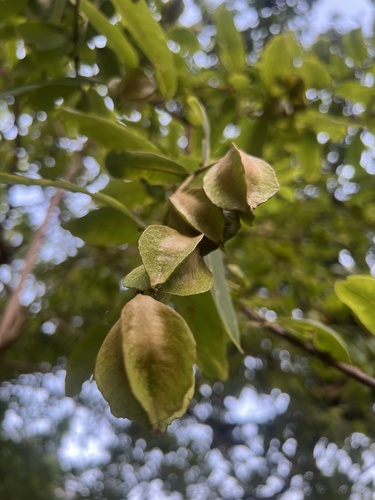
Terminalia arjuna
In the heart-failure meta-analysis HDL cholesterol rose by about 3.5 mg/dl, with no significant change in LDL or triglycerides. The small hypertension trial reported lower total cholesterol and triglycerides.

Artichoke
Cynara cardunculus
Several randomised trials found lower cholesterol: in one of 143 people with high cholesterol, total cholesterol fell 18.5% on 1800 mg daily of extract against 8.6% on placebo, while another of 75 adults found only a 4.2% fall and no change in LDL. A 2021 meta-analysis of 14 studies estimated LDL fell by about 17 mg/dl. EMA concluded that further rigorous trials are needed.
Asian rice
Oryza sativa
Rice bran oil: a meta-analysis of 8 trials found it lowered LDL cholesterol by about 7.6 mg/dL and total cholesterol by about 7.3 mg/dL compared with other oils.
Asian water plantain
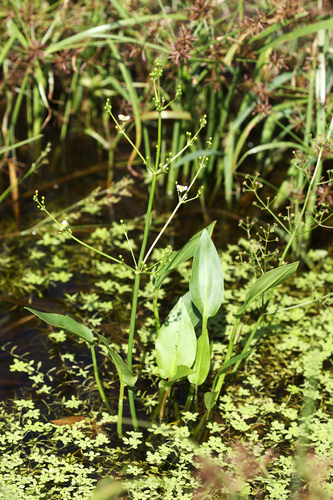
Alisma orientale
The Pharmacopoeia adds lowering of blood lipids, and a meta-analysis of 29 rodent studies found extracts lowered triglycerides, cholesterol and LDL. The authors call the evidence limited; no human trials of the herb alone were found.
Avocado
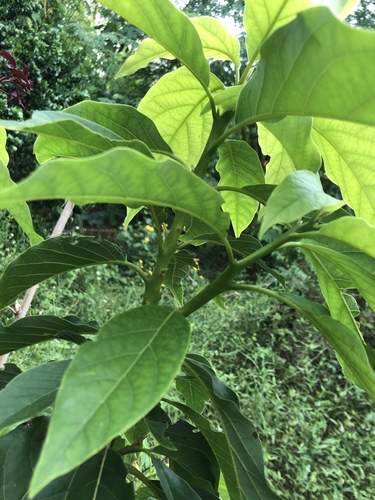
Persea americana
Eating avocado (18 studies, 481 people) raised HDL cholesterol by about 2.8 mg/dL but did not change total or LDL cholesterol, triglycerides or weight. No trials measured heart attacks or strokes.
Balloon flower
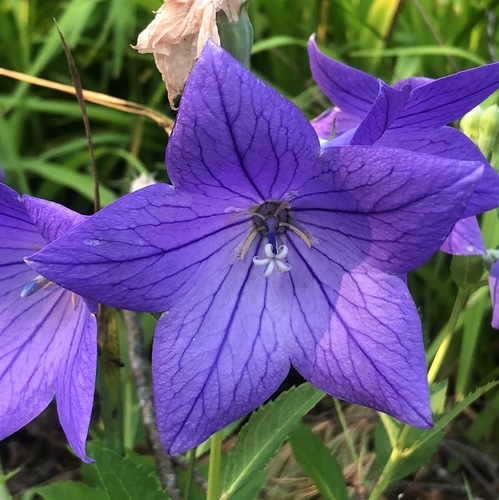
Platycodon grandiflorus
Rats on a high-fat diet fed 5% root had lower serum cholesterol and triglycerides (WHO). An 8-week Korean randomised trial of a root beverage in healthy adults found reduced post-meal triglyceride responses only in a subgroup of 'responders' with high fat intake.

Barberry
Berberis vulgaris
A 2025 meta-analysis of 11 trials (718 adults) reported small falls in total cholesterol (about 18 mg/dL), LDL (11 mg/dL) and triglycerides (24 mg/dL) and a small rise in HDL with barberry supplements. Trials were small and varied in product.
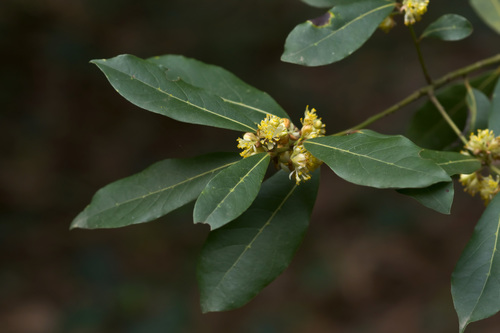
Bay laurel
Laurus nobilis
The same trial found total cholesterol fell 20–24% and LDL 32–40%. An uncontrolled 10-day study of bay-leaf tea in 30 healthy Tunisian volunteers found a small rise in HDL cholesterol.
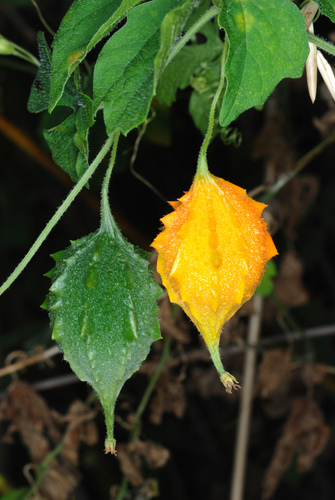
Bitter melon
Momordica charantia
A 2024 meta-analysis of trials in type 2 diabetes found a small reduction in total cholesterol (about 0.4 mmol/L) but no change in LDL, HDL or triglycerides.
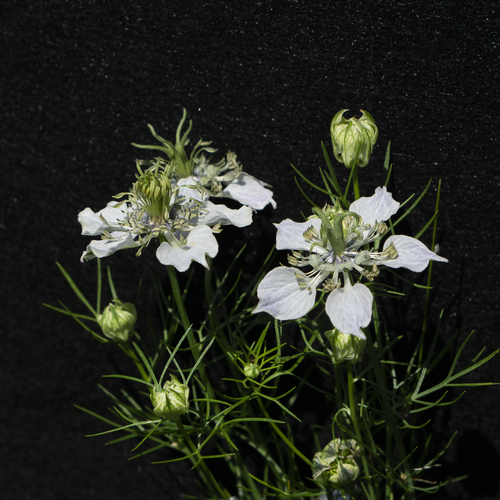
Black seed (Black cumin)
Nigella sativa
A 2025 GRADE-assessed meta-analysis of 82 RCTs (5,026 people, 200–4,600 mg/day) reported improvements in lipids, blood pressure and glucose; an overview of earlier meta-analyses graded 88 of 110 outcomes as very low quality.

Borage
Borago officinalis
In a 6-week randomised trial in overweight young adults, borage oil (880 mg GLA daily) lowered plasma triglycerides and raised HDL cholesterol, with no effect on LDL, BMI, glucose or metabolic rate.
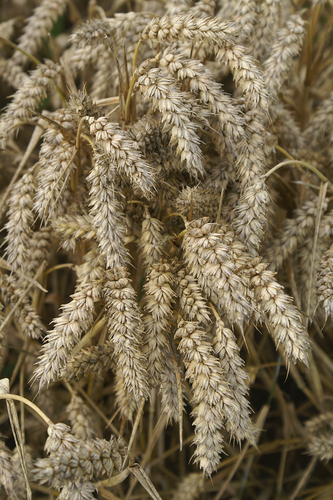
Bread wheat
Triticum aestivum
A Cochrane review of whole-grain diets (9 RCTs, 1,414 people) found no clear effect on total cholesterol and no trials reporting heart attacks or strokes; evidence was low quality.

Butterfly pea
Clitoria ternatea
In overweight and obese adults, 2 g of flower extract with a high-fat meal reduced the rise in triglycerides and free fatty acids for up to 6 hours and increased plasma antioxidant capacity.

Chaya
Cnidoscolus chayamansa
In a single-arm trial, 30 adults with dyslipidaemia drank 500 ml of chaya beverage daily for 6 weeks; serum triglycerides fell significantly and plasma antioxidant activity rose. There was no control group.
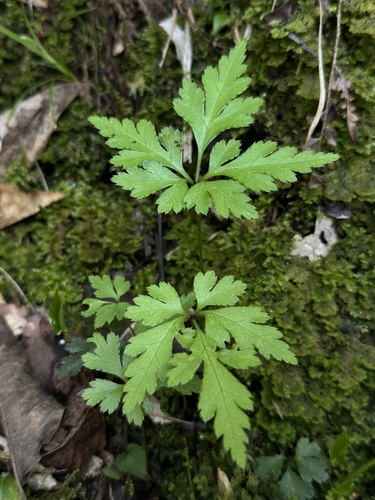
Chinese goldthread
Coptis chinensis
In 18 placebo-controlled trials (1,788 adults, mostly in China), berberine produced small reductions in LDL cholesterol (about 0.46 mmol/L) and triglycerides (about 0.34 mmol/L); no serious adverse events were reported. Evidence concerns berberine, not the herb.
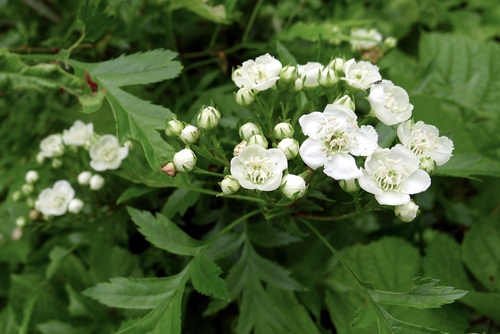
Chinese hawthorn
Crataegus pinnatifida
A 2024 meta-analysis of 14 randomised trials found that hawthorn-containing Chinese medicines lowered total cholesterol and triglycerides and raised HDL compared with conventional lipid drugs, but were less effective for LDL; many trials had methodological weaknesses. Triterpenic acids from the fruit inhibit cholesterol-handling enzymes in the lab.
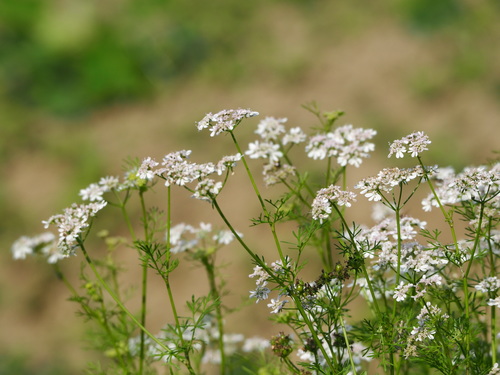
Coriander
Coriandrum sativum
A 2021 review of cardiovascular studies found mostly animal work; two small human studies reported lower cholesterol, one with 2 g seed powder a day (also lower blood pressure) and one with 5 g a day in people with type 2 diabetes.
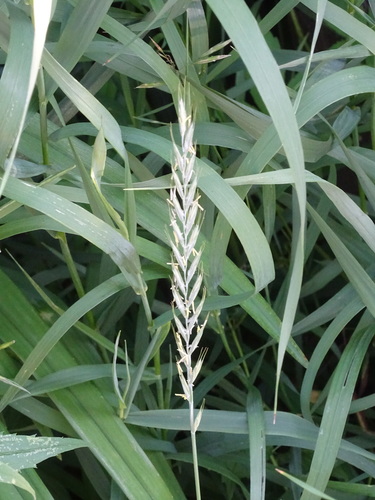
Couch grass
Elymus repens
Used in Greek folk medicine to reduce raised cholesterol. In rats, a freeze-dried decoction lowered plasma triglycerides and cholesterol. Not tested in people.
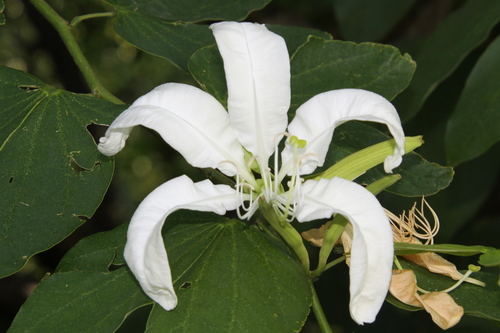
Cow's foot
Bauhinia forficata
Used traditionally to lower cholesterol. One small uncontrolled study of the tea in diabetic volunteers saw triglycerides fall 26% and total cholesterol 9%, changes the reviewers did not consider clinically significant.
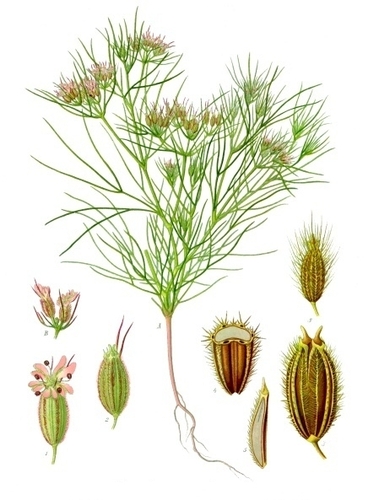
Cumin
Cuminum cyminum
The same meta-analysis found lower triglycerides (SMD −0.58) and higher HDL cholesterol (SMD 0.77), both rated low certainty because the trials disagreed widely.
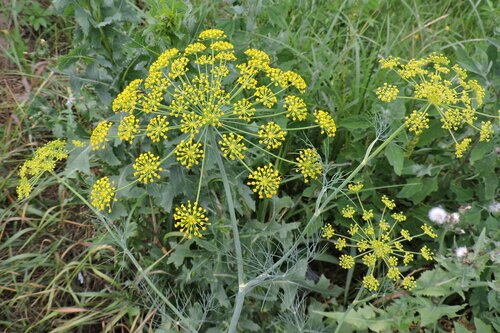
Dill
Anethum graveolens
Two meta-analyses of small randomised trials disagree in detail: one (7 RCTs, 330 people) found lower LDL cholesterol (about 16 mg/dL) and insulin resistance but no change in total cholesterol or triglycerides; another (6 RCTs, 171 treated) reported falls in total cholesterol, LDL and triglycerides. Both call for better trials.

Dog rose
Rosa canina
A 2023 systematic review of four RCTs found mixed effects: one crossover trial in 31 obese adults (40 g powder daily in a drink) lowered total and LDL cholesterol and systolic blood pressure, while three others found no change in individual lipid values.
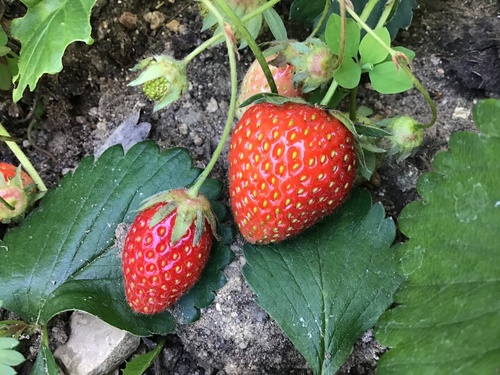
Garden strawberry
Fragaria x ananassa
Meta-analyses of eating strawberries or freeze-dried strawberry powder disagree: one (14 trials) reported small falls in total cholesterol and oxidised LDL, another (11 trials) found no effect on lipids, blood pressure or glucose. Both found C-reactive protein reduced by about 0.5–0.6 mg/L.
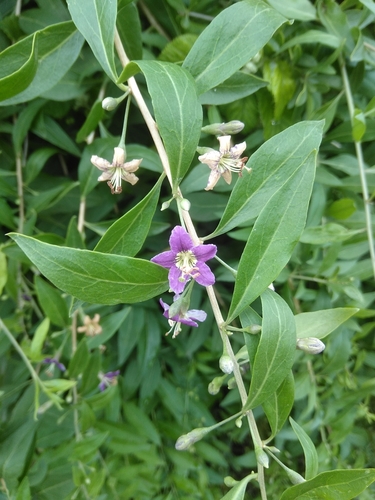
Goji
Lycium barbarum
A 2022 meta-analysis of 10 trials found wolfberry lowered triglycerides slightly (about 0.14 mmol/L) and raised HDL cholesterol; the 2017 meta-analysis found no significant change in total cholesterol.
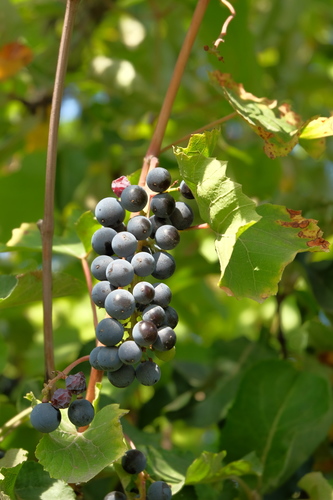
Grape vine
Vitis vinifera
Grape seed extract: a 2020 review of 11 small studies (536 people) found possible lowering of LDL cholesterol and triglycerides, not total or HDL cholesterol (NCCIH).
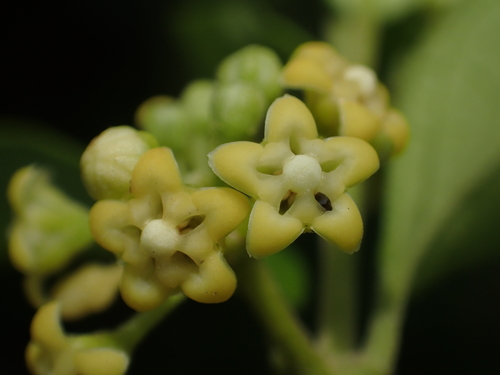
Gurmar
Gymnema sylvestre
The same meta-analysis found lower triglycerides, total and LDL cholesterol, from low-quality trials.
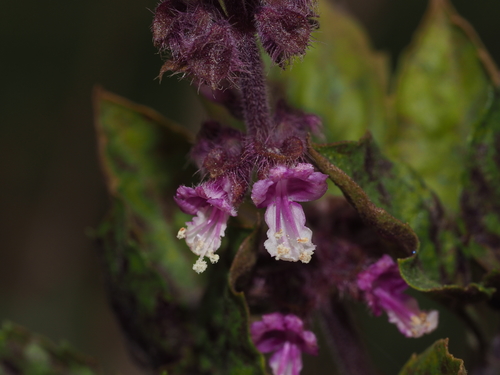
Holy basil (Tulsi)
Ocimum tenuiflorum
Small trials of 4–12 weeks reported modest improvements in blood lipids; the review authors note small samples and variable products.
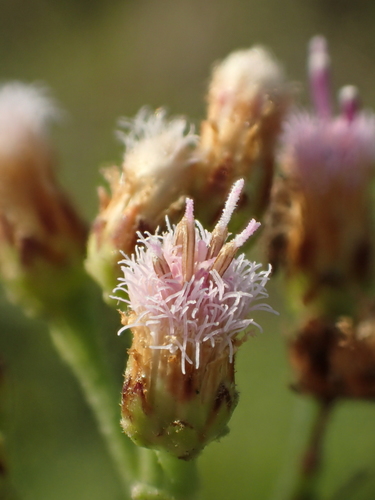
Indian camphorweed
Pluchea indica
A leaf extract (100–300 mg/kg daily for six weeks) improved blood lipids and reduced fatty liver in rats on a high-fat, high-fructose diet, and the herbal tea lowered lipids in high-fat-fed mice. No human data.
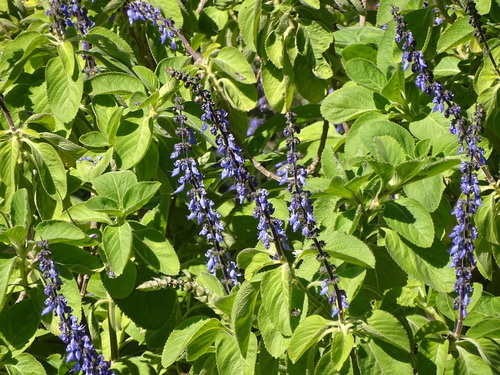
Indian coleus
Coleus barbatus
In the same 12-week weight trial, triglycerides fell and HDL cholesterol rose compared with placebo; a single small trial.
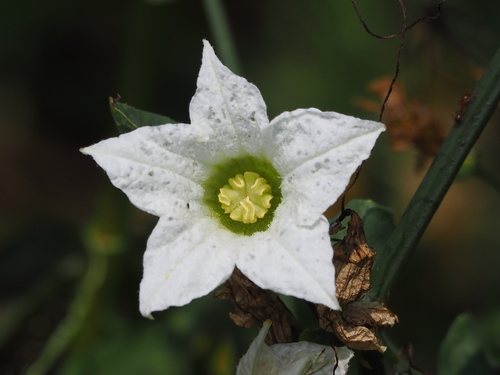
Ivy gourd
Coccinia grandis
Triglycerides fell in the pooled trials, but the 60-person Indian trial found no change in serum lipids.

Jamun
Syzygium cumini
In the same meta-analysis, total cholesterol and triglycerides did not change; HDL cholesterol rose slightly (about 1.5 mg/dL) in the jamun trials.
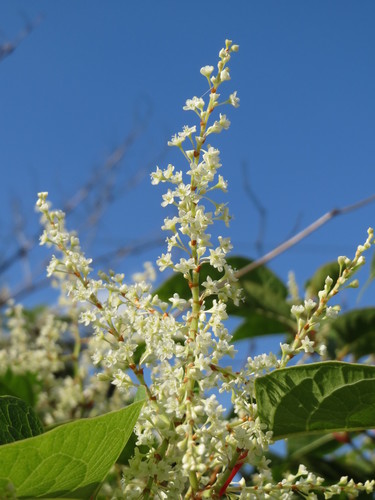
Japanese knotweed
Reynoutria japonica
Polydatin lowered triglycerides, total and LDL cholesterol in hyperlipidaemic rabbits; listed among TCM uses for hyperlipidaemia. No good human trials cited.
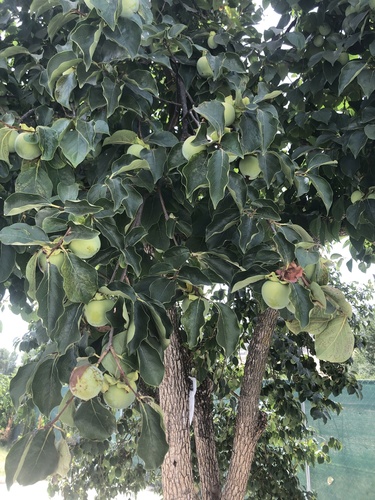
Japanese persimmon
Diospyros kaki
A 2025 meta-analysis of 16 Chinese trials (1,572 patients) found that adding persimmon-leaf tablets (Naoxinqing) to standard treatment lowered LDL cholesterol by about 0.47 mmol/L and triglycerides by 0.43 mmol/L, but rated the evidence low to very low because of small, flawed and highly inconsistent trials.
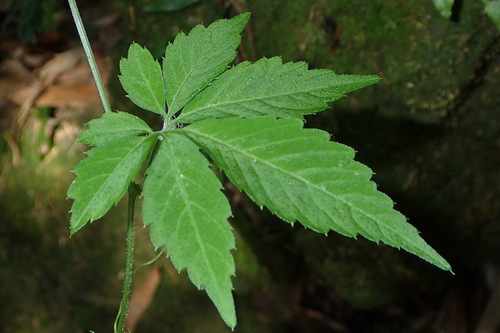
Jiaogulan
Gynostemma pentaphyllum
Gypenosides improved blood lipids in animal studies; a review reports that in trials their adverse-event rate was lower than conventional lipid-lowering drugs, but clinical efficacy data remain sparse.

Maize
Zea mays
A meta-analysis of 4 RCTs in people with angina found corn silk decoction might improve blood lipids; the evidence is weak.

Maqui
Aristotelia chilensis
Four weeks of Delphinol lowered oxidised LDL and urinary isoprostanes in overweight smokers, but effects faded after stopping and blood lipids and blood pressure did not change.
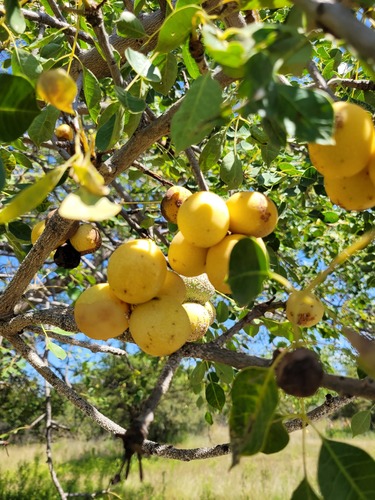
Marula
Sclerocarya birrea
Three weeks of 200 ml/day marula juice lowered total and LDL cholesterol and triglycerides and raised HDL in an uncontrolled study of 10 healthy men; the prediabetes trial found no lipid change.
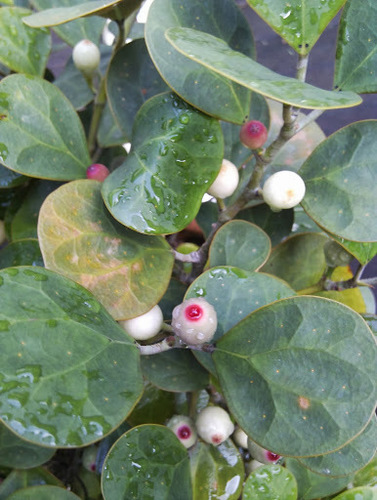
Mistletoe fig
Ficus deltoidea
In the same small prediabetes trial, total and LDL cholesterol fell in the Ficus deltoidea group.

Moringa (Drumstick tree)
Moringa oleifera
The same 2025 meta-analysis found no consistent effect on blood lipids.
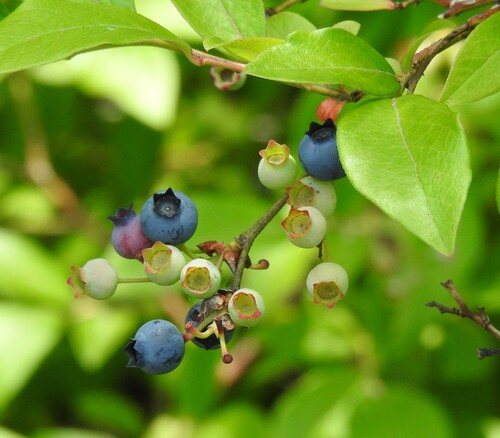
Northern highbush blueberry
Vaccinium corymbosum
In the same trial, one cup a day raised HDL ('good') cholesterol slightly; the study was industry-funded.
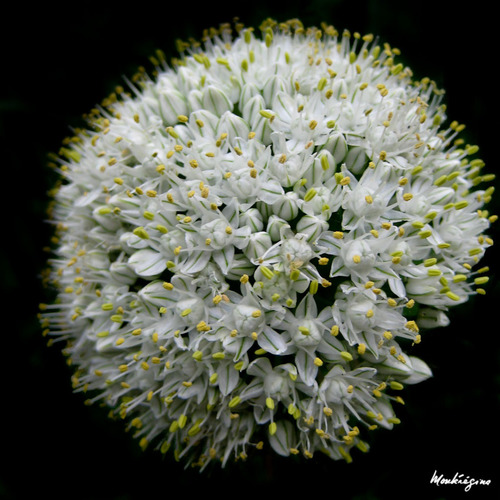
Onion
Allium cepa
A 2021 meta-analysis of 10 randomised trials (446 people) found onion supplements lowered LDL cholesterol by about 6.6 mg/dl and raised HDL by about 2.3 mg/dl, with no significant effect on triglycerides; the authors caution that some results are not robust.
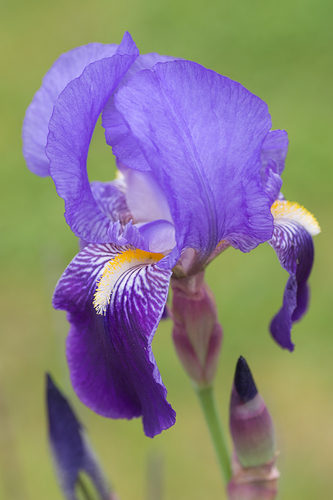
Orris
Iris germanica
An ethanol extract of the rhizome lowered cholesterol and triglycerides in rats fed a high-fat diet for 10 weeks. Animal work only.

Pointed gourd
Trichosanthes dioica
Fruit extracts lowered total and LDL cholesterol and triglycerides in diabetic rats and in normal rabbits. Animal work only.
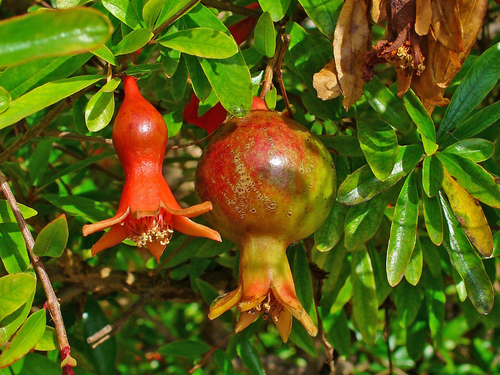
Pomegranate
Punica granatum
Studies have not clearly shown effects on cholesterol or other blood lipids.

Purslane
Portulaca oleracea
The same meta-analysis found lower total cholesterol (about −18 mg/dl), triglycerides and LDL, higher HDL and lower CRP; the authors call for higher-quality trials.
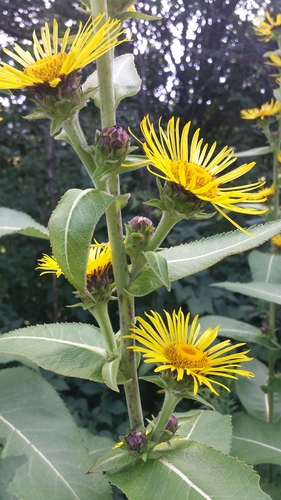
Pushkarmool
Inula racemosa
Serum cholesterol fell in the uncontrolled Pushkara Guggulu study, and root extract reduced markers of heart damage in hyperlipidaemic rats. The guggul in the combination may account for part of the effect.
Radish
Raphanus sativus
Black radish juice lowered serum cholesterol and triglycerides and raised HDL in mice on a lithogenic diet; not tested in people.
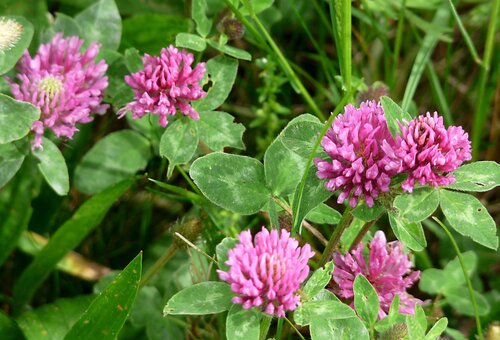
Red clover
Trifolium pratense
Trials in menopausal women are conflicting: some found no change in total or LDL cholesterol, while others found small rises in HDL or falls in triglycerides. NCCIH says more research is needed.
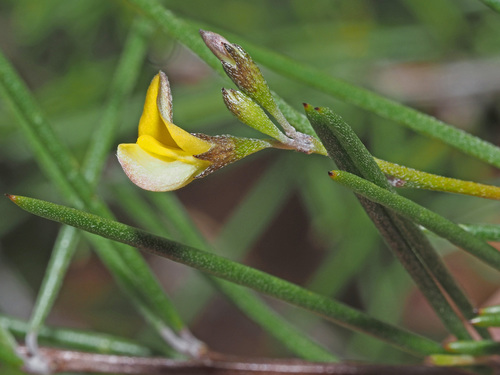
Rooibos
Aspalathus linearis
In 40 adults at risk of heart disease, six cups a day of fermented rooibos for six weeks lowered LDL cholesterol (4.6 to 3.9 mmol/L) and triglycerides and raised HDL compared with a control period, and improved markers of oxidative stress. The study had no separate control group or blinding.

Roselle
Hibiscus sabdariffa
Meta-analyses report small reductions in total and LDL cholesterol (LDL about 7 mg/dL lower than placebo or other teas in one), with no effect on triglycerides; trials are small and short.
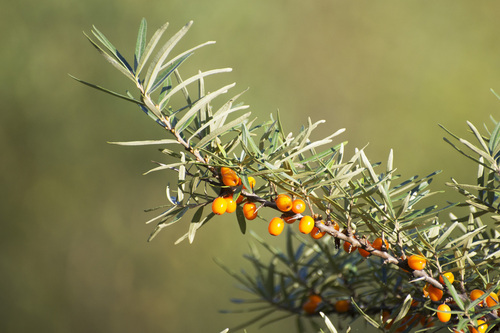
Sea buckthorn
Hippophae rhamnoides
A 2017 meta-analysis of 11 RCTs found berries or extracts lowered total cholesterol by about 0.6 mmol/L and LDL by about 0.6 mmol/L in people with cardiovascular risk but not in healthy people; a 2022 meta-analysis of 15 RCTs agreed, with effects only in people with abnormal lipids. A 2026 analysis of 12 berry RCTs (901 people) found no significant effect on any lipid and rated all outcomes very low certainty.
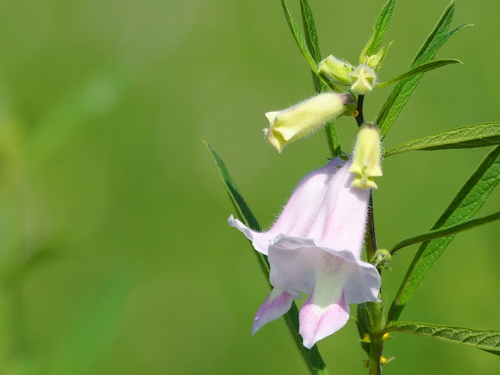
Sesame
Sesamum indicum
The same meta-analysis found reductions in total cholesterol in people with chronic diseases and a dose-related fall at about 10 g a day, and improvements in HDL at 10 g a day or less; overall effects on lipids were inconsistent across subgroups.
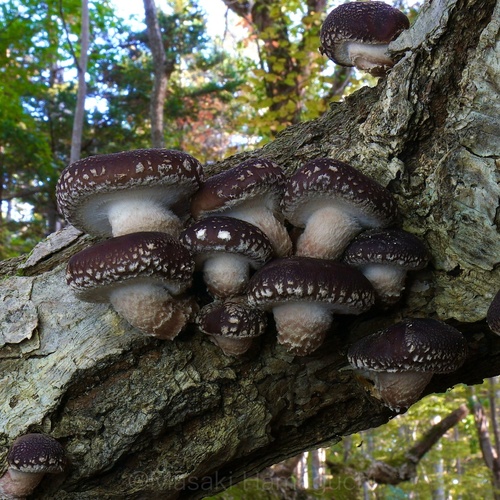
Shiitake
Lentinula edodes
Eritadenine, a compound in shiitake, lowers cholesterol in animal studies; good human trials are lacking.
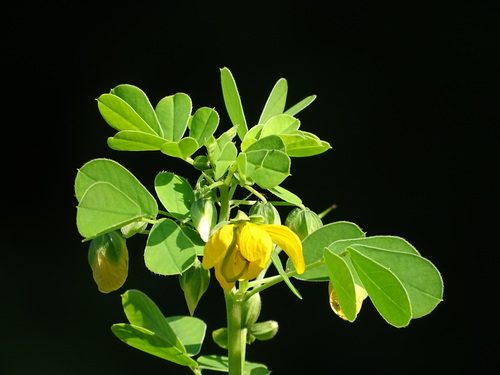
Sickle senna
Senna tora
Cassiae Semen is used in East Asia for high blood lipids and weight control; S. tora seed, leaf and root extracts lowered lipids in laboratory and animal studies, but no clinical trials had been done as of 2022.
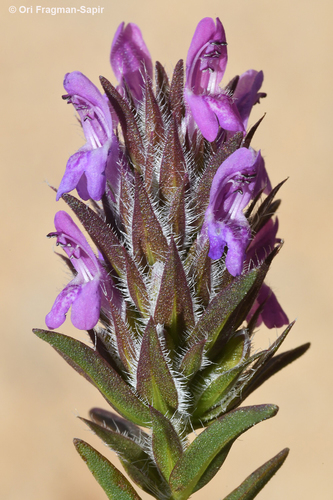
Spiked thyme
Thymbra spicata
Used for hypercholesterolaemia in Turkey. In mice on a high-fat diet, extracts lowered total and LDL cholesterol and triglycerides, raised HDL and protected the liver; anti-steatotic activity of the leaves has also been reported in cell studies.
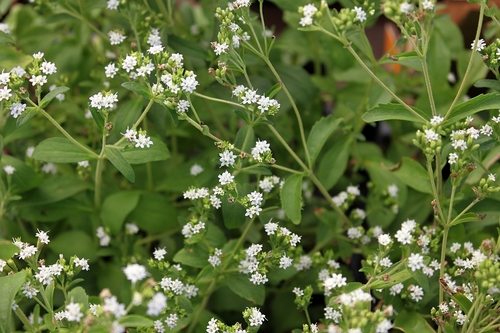
Stevia
Stevia rebaudiana
A 2023 meta-analysis of 14 RCTs of artificial and stevia-based sweeteners found no effect on triglycerides, total, LDL or HDL cholesterol.
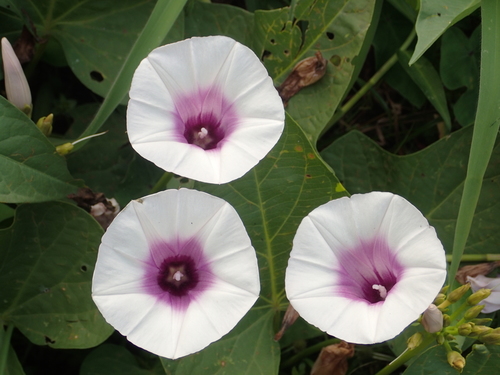
Sweet potato
Ipomoea batatas
In one of the Caiapo trials, total cholesterol at 12 weeks was lower than with placebo; not confirmed elsewhere.
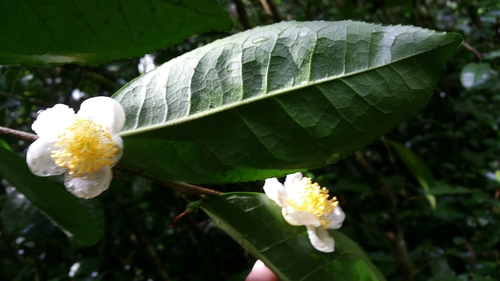
Tea plant
Camellia sinensis
NCCIH: green tea, mostly as extract supplements, lowered total and LDL cholesterol to a small extent, with no effect on HDL or triglycerides.
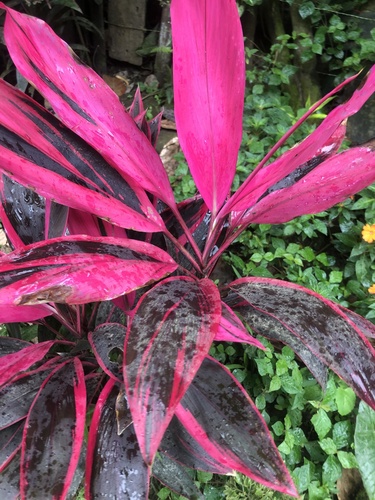
Ti plant
Cordyline fruticosa
A methanol extract of the rhizome lowered blood lipids, glucose and triglycerides in obese rats. Animal work only.
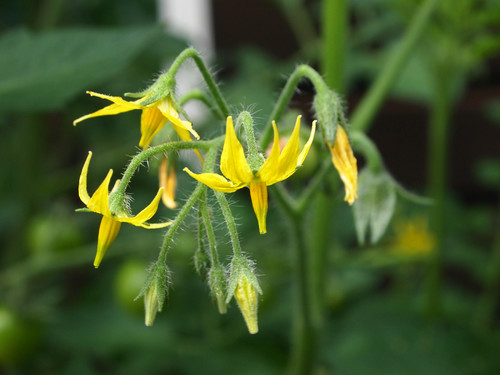
Tomato
Solanum lycopersicum
A 2017 meta-analysis of 21 trials found tomato supplementation lowered LDL cholesterol by about 0.22 mmol/L and improved flow-mediated dilation; lycopene supplements lowered systolic blood pressure by about 5.7 mmHg.
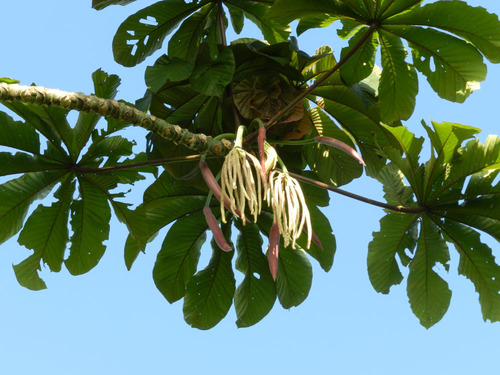
Trumpet tree
Cecropia obtusifolia
In the 21-day trial cholesterol fell by about 15% and triglycerides by 42% in the guarumbo group; the 32-week study found no change in blood lipids.
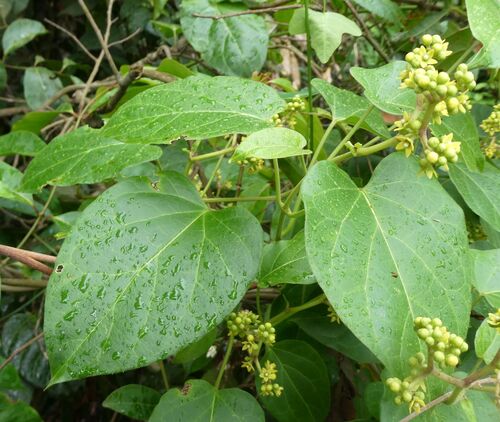
Utazi
Gongronema latifolium
In diabetic rats the ethanol leaf extract lowered triglycerides and normalised total cholesterol. Animal work only.

Welsh onion
Allium fistulosum
In liver cells a Welsh onion extract suppressed PCSK9 and helped preserve LDL receptors, including when combined with a statin. Cell work only.
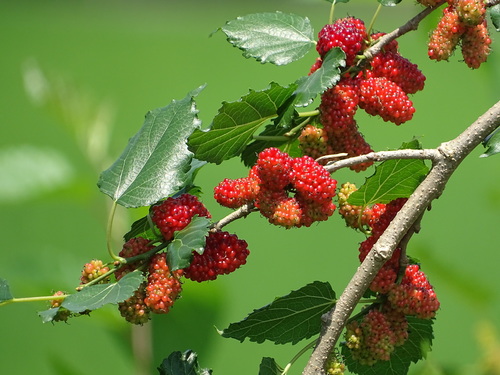
White mulberry
Morus alba
The 2017 meta-analysis found no significant change in total, LDL or HDL cholesterol or triglycerides.
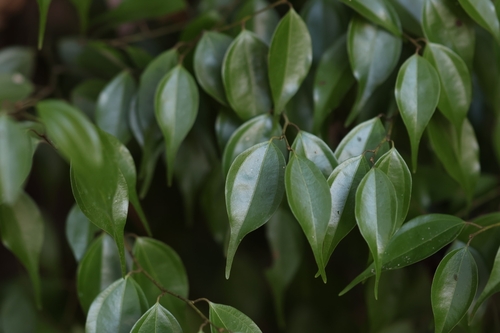
Wu yao
Lindera aggregata
Leaf extracts lowered triglycerides, total and LDL cholesterol in rats on high-fat diets.
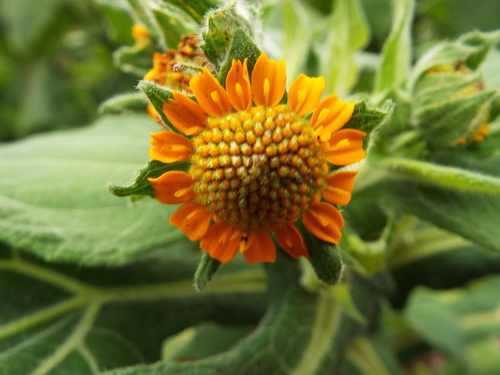
Yacón
Smallanthus sonchifolius
The same meta-analysis found no significant overall effect on total, LDL or HDL cholesterol or triglycerides; LDL fell in women and over-40s after more than 8 weeks.
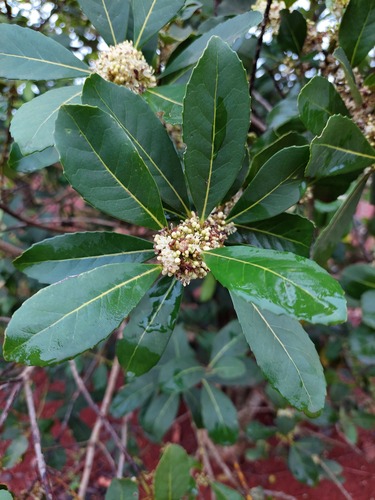
Yerba mate
Ilex paraguariensis
The 2021 EMA review noted small observational and clinical studies reporting effects on blood lipids and other metabolic markers, while other studies found no effect on lipid profiles; EMA judged them not relevant to the monograph.

Zedoary
Curcuma zedoaria
One of ten herbs in a Thai traditional formulation that lowered total and LDL cholesterol in a double-blind randomised trial in borderline hyperlipidaemia; zedoary alone was not tested, though it was the strongest pancreatic-lipase inhibitor among the ingredients in the lab.
Traditional use
TraditionalLong recorded use, essentially untested in clinical trials.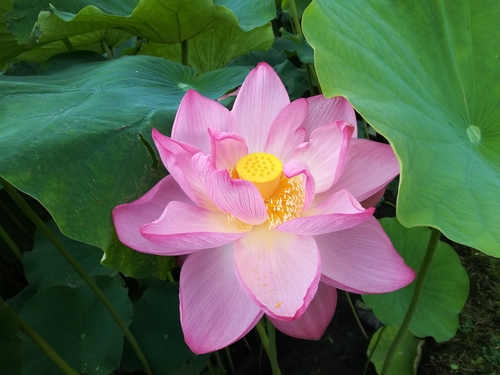
Evidence against
AgainstGood trials found no benefit.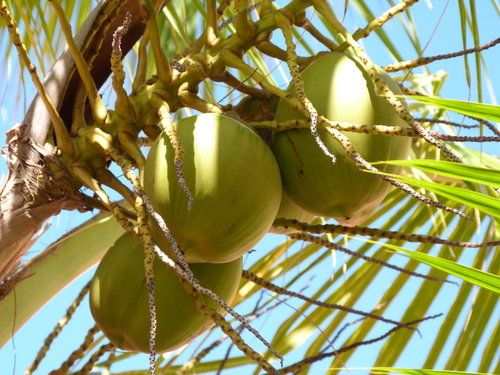
Coconut palm
Cocos nucifera
A meta-analysis of 16 trials found coconut oil raised LDL cholesterol by about 10 mg/dL compared with non-tropical vegetable oils (with a smaller rise in HDL); replacing it with unsaturated oils improves lipid profiles.
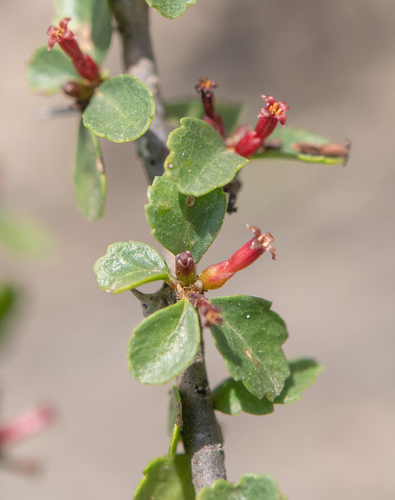
Guggul
Commiphora wightii
WHO lists high cholesterol as supported by clinical data, mostly from older Indian trials. But in a 2003 US double-blind trial (103 adults, 8 weeks), gugulipid at 1 g or 2 g three times daily raised LDL cholesterol by 4–5% while placebo lowered it 5%, with no effect on other lipids. A 2005 evidence review found the effects unclear and not enough evidence to support guggul for any condition.
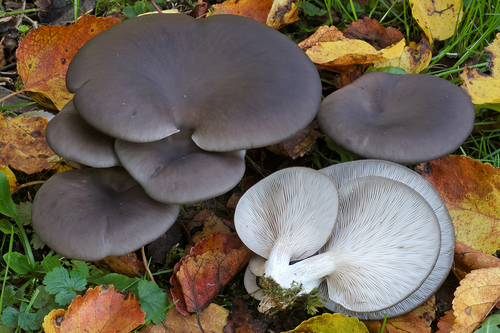
Oyster mushroom
Pleurotus ostreatus
A double-blind trial of 8.4 g oyster-mushroom powder (3 g β-glucan) daily for 4 weeks in 46 adults with raised LDL found no change in LDL or other lipids; an earlier trial in HIV patients with drug-induced high cholesterol also found no benefit. Animal studies were positive.
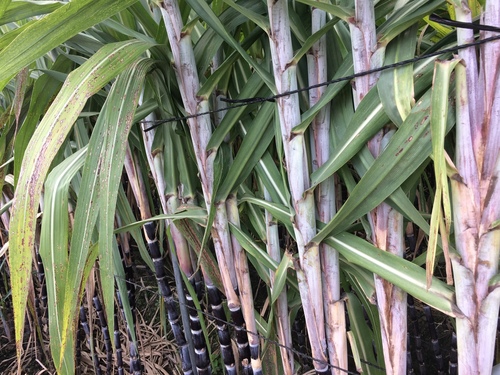
Sugarcane
Saccharum officinarum
Cuban trials of sugarcane policosanol reported large falls in LDL cholesterol, but a 2006 independent randomised trial in 143 patients (JAMA) found no effect beyond placebo at usual or high doses. A 2018 meta-analysis noted that the benefit came mainly from Cuban studies and was inconsistent.