The Apothecary / Heart & circulation
Circulation and varicose veins
24 remedies
See a doctor if
A swollen, hot, painful calf may be a blood clot.
Reference, not prescription. Nothing here is medical advice. Herbs can interact with medicines and be dangerous in pregnancy; tell your doctor or pharmacist about anything you take.
Moderate evidence
ModerateSeveral trials, mostly positive, or an EMA ‘well-established use’ monograph.
Cacao
Theobroma cacao
A 2012 meta-analysis found cocoa improved flow-mediated dilatation of the arteries, a measure of blood-vessel function. EFSA (2012) accepted that 200 mg of cocoa flavanols a day helps maintain endothelium-dependent vasodilation.
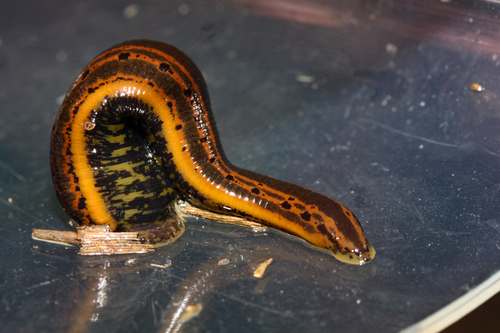
European medicinal leech
Hirudo medicinalis
When surgical repair of veins is not possible after replantation or free-tissue transfer, medicinal leeches are a useful adjunct to relieve venous congestion: their saliva keeps the bite bleeding for hours. Evidence comes from surgical case series rather than randomised trials.
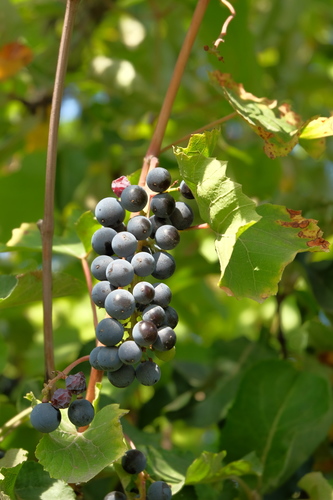
Grape vine
Vitis vinifera
EMA well-established use: red vine leaf dry extract for chronic venous insufficiency (swollen legs, varicose veins, heavy, tired, painful or cramping calves). In a 12-week trial in 248 patients the extract AS 195 reduced lower-leg volume by about 20 ml more than placebo and eased leg pain slightly; a 2020 review of 5 trials found benefit on some signs and symptoms in only some trials.
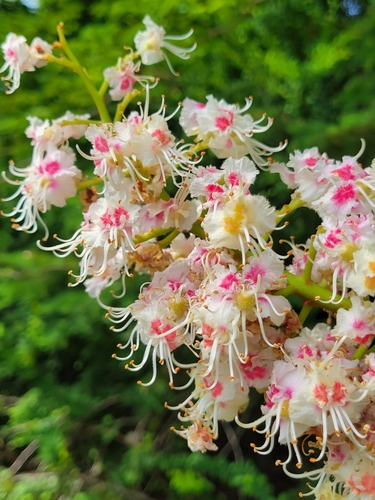
Horse chestnut
Aesculus hippocastanum
Chronic venous insufficiency (heavy, aching, swollen, itchy legs, varicose veins, calf cramps) is an EMA well-established use. The 2012 Cochrane review found that six of seven placebo-controlled trials reported less leg pain, and one trial suggested the extract may work as well as compression stockings; reviewers asked for larger trials.
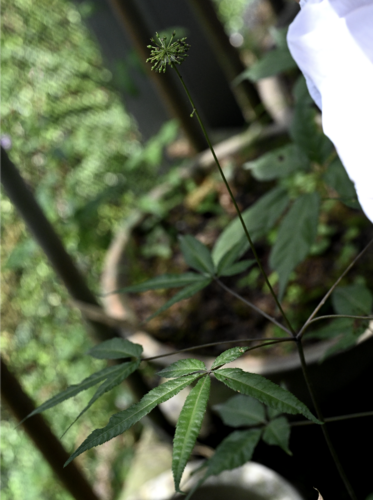
Notoginseng
Panax notoginseng
Stroke: in a double-blind trial of 2966 patients with ischaemic stroke, Xuesaitong (notoginseng saponin) soft capsules 120 mg twice daily for 3 months improved functional independence compared with placebo (89.3% vs 82.4%), with similar serious adverse events (1.0% vs 1.1%). A 2023 meta-analysis of 46 trials (7957 patients) also found benefit but rated most evidence low quality.
Limited evidence
LimitedSmall or few trials, mixed results, or mainly lab and animal work.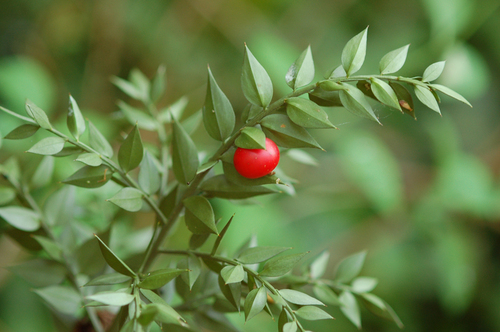
Butcher's broom
Ruscus aculeatus
EMA traditional use: relief of discomfort and heaviness of the legs from minor venous circulatory disturbances. In the only trial of Ruscus extract alone (Vanscheidt 2002; 166 women, 12 weeks), leg volume fell on Ruscus and rose on placebo (p<0.001), with less heaviness and tension, but quality-of-life scores did not improve. A 20-trial meta-analysis (Boyle 2003) concerns a combination with hesperidin methyl chalcone and vitamin C, so it cannot be credited to Ruscus alone.
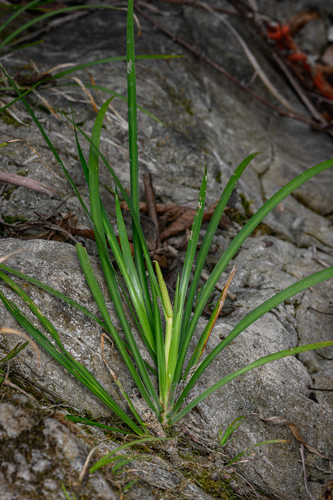
Japanese sweet flag
Acorus gramineus
Used in conventional East Asian medicine for cardiovascular and cerebrovascular disease; a rhizome extract relaxed isolated rat aorta.
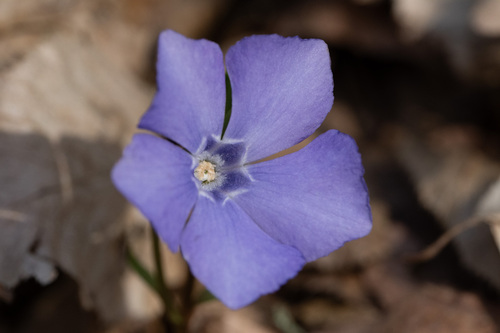
Lesser periwinkle
Vinca minor
Vincamine and vinpocetine dilate brain blood vessels and are used in Europe for cerebrovascular insufficiency. A systematic review found too little evidence of benefit in acute ischaemic stroke; one open-label trial of intravenous vinpocetine after stroke reported better blood flow and function.
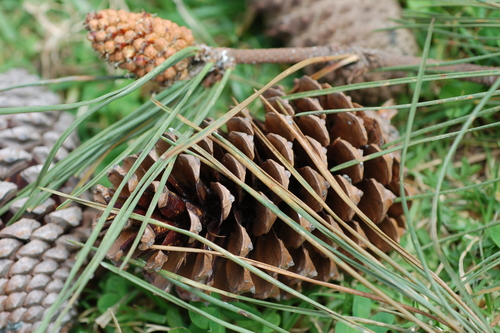
Maritime pine
Pinus pinaster
In chronic venous insufficiency, Cochrane found two small trials (60 people); one showed less leg pain, but the certainty was very low. A 2014 narrative review reports less leg swelling, fewer clots on long-haul flights and faster healing of venous ulcers.

Opium poppy
Papaver somniferum
Papaverine, a phosphodiesterase-inhibiting opium alkaloid, is applied topically by surgeons to relieve spasm of blood vessels during microsurgery. Evidence is mostly experimental.
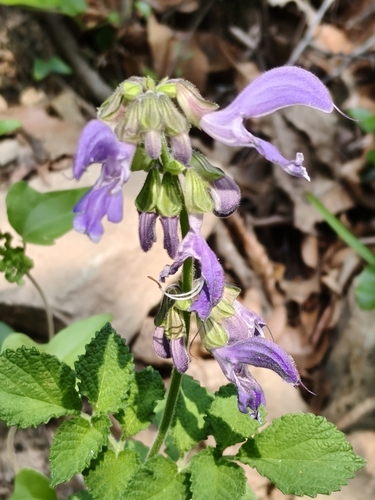
Red sage
Salvia miltiorrhiza
A Cochrane review of six small Chinese trials (494 patients) of Danshen agents in acute ischaemic stroke found a possible improvement in neurological impairment, but the trials were poor; the authors judged it plausible that Danshen is ineffective and the apparent benefit is due to bias.
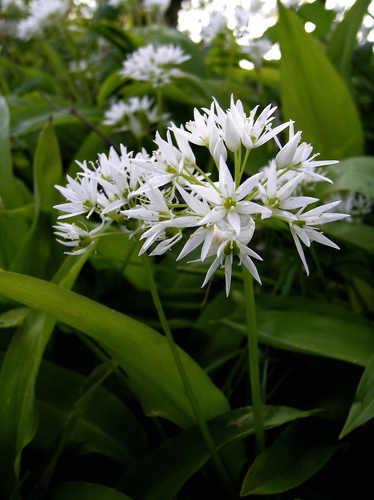
Wild garlic
Allium ursinum
Traditionally used to prevent cardiovascular disease. Leaf extracts inhibited platelet aggregation and cholesterol synthesis in laboratory studies, and protected rat hearts during ischaemia and reperfusion. Animal and test-tube work only.
Traditional use
TraditionalLong recorded use, essentially untested in clinical trials.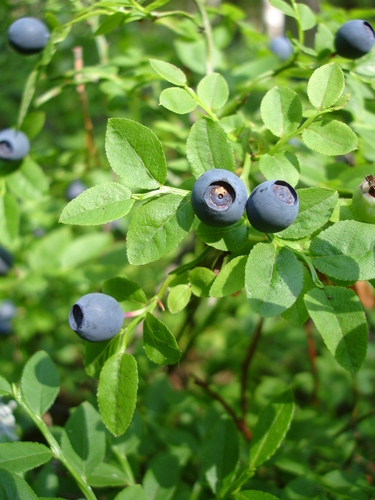
Bilberry
Vaccinium myrtillus
EMA accepts a standardised fresh-fruit extract (36% anthocyanosides) as a traditional medicine for heavy, uncomfortable legs from minor venous problems and for fragile skin capillaries. Clinical studies from 30–40 years ago suggested benefit but had methodological limitations.
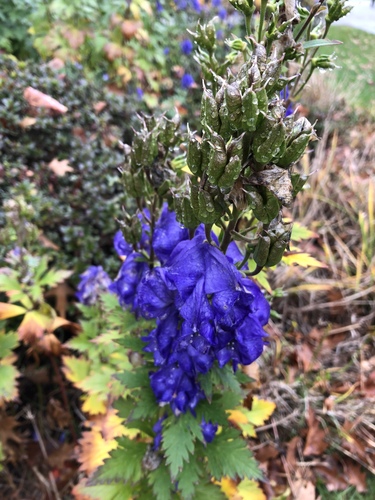
Chinese aconite
Aconitum carmichaelii
Classed as hot and dry, it is used for cold limbs, painful knees, poor circulation and spasm; villagers in the Qinling range of Shaanxi traditionally ate it before winter to keep warm.

Garlic
Allium sativum
EMA recognises traditional use of garlic powder as an adjuvant for the prevention of atherosclerosis, based on long-standing use.
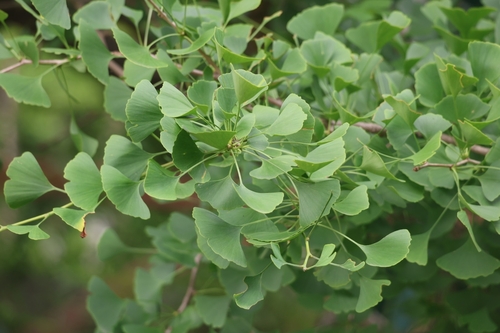
Ginkgo (Maidenhair tree)
Ginkgo biloba
EMA traditional use (powdered leaf) for heavy legs and cold hands and feet with minor circulatory disorders, after a doctor has excluded serious disease. For intermittent claudication from peripheral arterial disease, a Cochrane review found no clinically significant benefit.
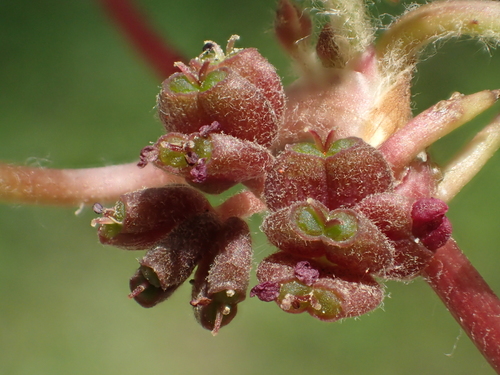
Gotu kola (Indian pennywort)
Centella asiatica
The WHO monograph records use for venous disorders in pharmacopoeias and traditional systems, rather than among clinically supported uses.
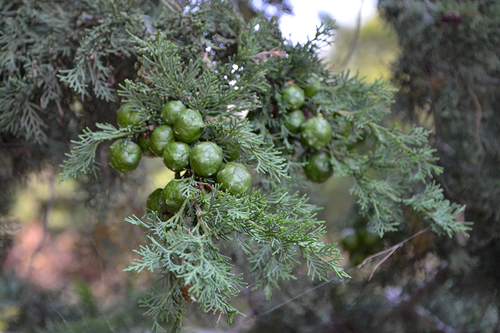
Italian cypress
Cupressus sempervirens
Cypress ointments are used externally for venous circulation disorders and varicose veins, and the plant is described as astringent. Not tested in controlled trials.

Purple loosestrife
Lythrum salicaria
Varicose veins are among its recorded traditional uses. No clinical data.
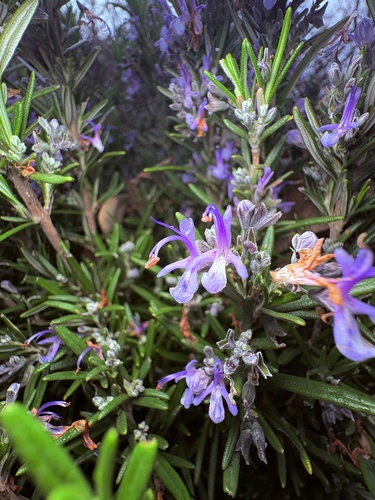
Rosemary
Salvia rosmarinus
EMA traditional use for minor peripheral circulatory disorders, as a bath additive or ointment.
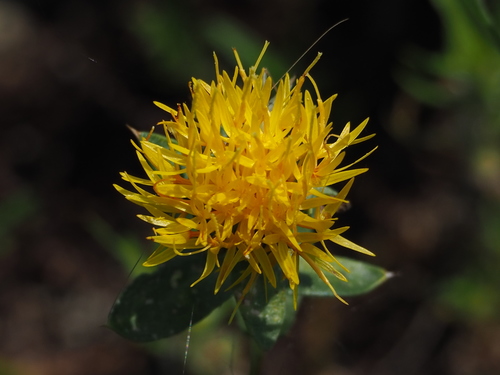
Safflower
Carthamus tinctorius
Pharmacopoeias list prevention of atherosclerosis. In animals, flower extracts inhibited platelet aggregation and dilated blood vessels; there are no clinical data for oral use.
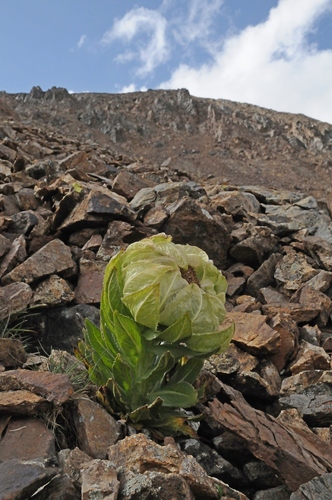
Snow lotus
Saussurea involucrata
The Chinese Pharmacopoeia (2015) lists 'accelerating blood circulation' and relieving 'cold' syndromes among its main actions.
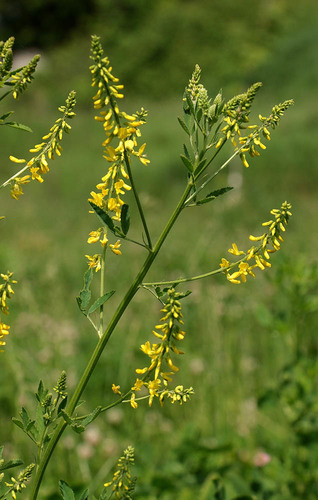
Sweet clover
Melilotus officinalis
EMA traditional use to relieve discomfort and heaviness of the legs from minor venous circulatory disturbances. Open studies, including a 4,536-patient uncontrolled series and a 20-patient lymphoedema study combined with compression, had no control group or objective measures, so efficacy is not established.
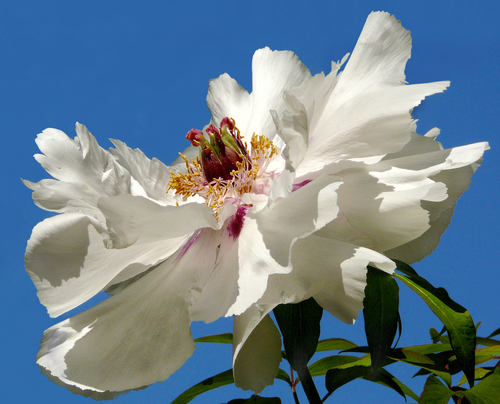
Tree peony
Paeonia suffruticosa
Chinese medicine prescribes it, often as an alcoholic preparation, to promote blood circulation and remove 'blood stasis'. In the laboratory, compounds from the bark reduce platelet aggregation and thrombosis in mice; human data are lacking.