The Apothecary / Heart & circulation
Heart
46 remedies
See a doctor if
Chest pain, palpitations with fainting, or breathlessness: seek urgent care.
Reference, not prescription. Nothing here is medical advice. Herbs can interact with medicines and be dangerous in pregnancy; tell your doctor or pharmacist about anything you take.
Strong evidence
StrongAn approved medicine, or consistent good-quality trials and reviews.Aspergillus terreus
Aspergillus terreus
In AFCAPS/TexCAPS, people without heart disease but with average cholesterol who took lovastatin for about 5.2 years had 37% fewer first major coronary events than those on placebo (relative risk 0.63).
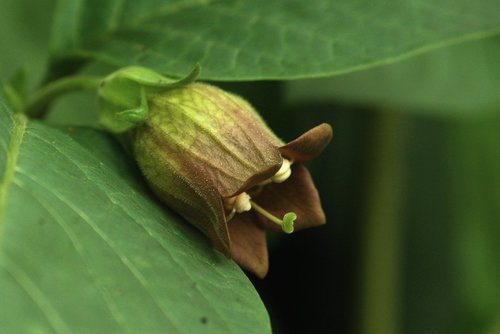
Deadly nightshade
Atropa bella-donna
Atropine injection treats some types of dangerously slow heart rate and reduces saliva during surgery; hospital use only.
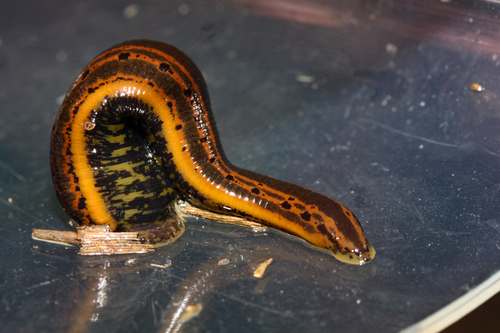
European medicinal leech
Hirudo medicinalis
Hirudin from leech saliva was the first anticoagulant known, before heparin; it led to direct thrombin inhibitors such as recombinant hirudins and bivalirudin, used in heart procedures. These are manufactured drugs, not leeches.

Foxglove
Digitalis purpurea
As prescription drugs only. In the DIG trial (6,800 patients, 1997), digoxin did not change overall mortality but cut hospital admissions for worsening heart failure (26.8% vs 34.7%). In DIGIT-HF (1,212 patients, 2025), digitoxin added to modern therapy reduced death or heart-failure admission (39.5% vs 44.1%; hazard ratio 0.82).
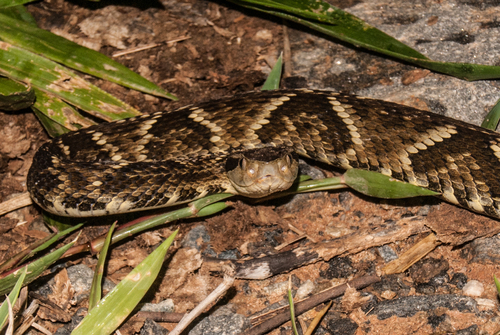
Jararaca
Bothrops jararaca
Captopril and its successors are also approved for heart failure.
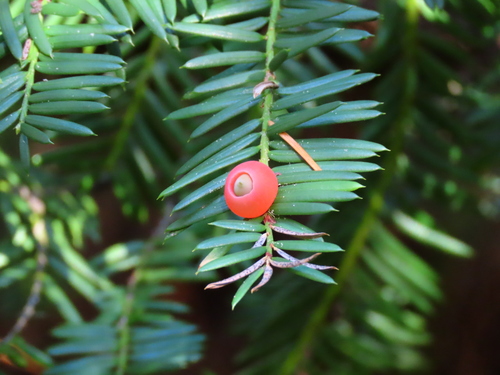
Pacific yew
Taxus brevifolia
Paclitaxel coatings on coronary and peripheral stents limit regrowth of scar tissue and re-narrowing of the artery.
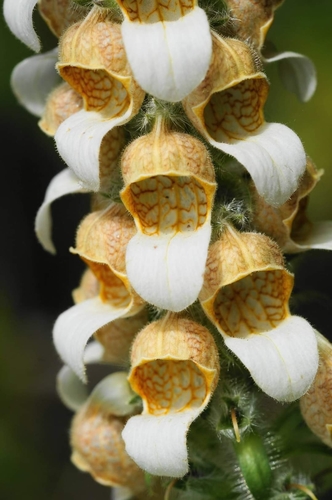
Woolly foxglove
Digitalis lanata
Digoxin is an approved prescription drug for heart failure and abnormal heart rhythms. In the 1997 DIG trial of 6,800 patients with heart failure, digoxin did not change overall mortality (35% in both groups) but reduced hospitalisation for worsening heart failure (26.8% vs 34.7%).
Moderate evidence
ModerateSeveral trials, mostly positive, or an EMA ‘well-established use’ monograph.
Autumn crocus
Colchicum autumnale
In LoDoCo2 (5,522 people with chronic coronary disease), colchicine 0.5 mg daily cut cardiovascular events by 31%; in COLCOT (4,745 people after a heart attack) by 23%. But the larger CLEAR SYNERGY trial (7,062 people, started soon after a heart attack) found no reduction over 3 years. The US FDA approved low-dose colchicine (Lodoco) in 2023 for people with atherosclerotic disease or multiple risk factors.
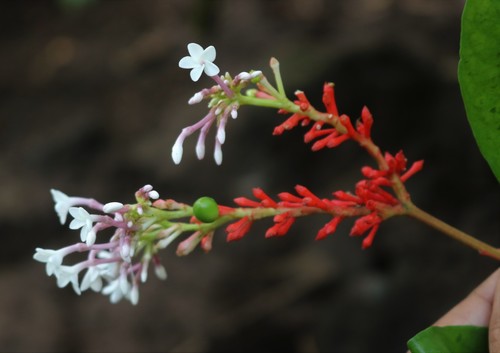
Indian snakeroot
Rauvolfia serpentina
The root alkaloid ajmaline is used as a drug challenge to unmask Brugada syndrome, an inherited arrhythmia; a 2003 study found the fractionated protocol safe under continuous monitoring.

Olive
Olea europaea
In PREDIMED (7,447 Spaniards at high cardiovascular risk, about 4.8 years), a Mediterranean diet with free extra-virgin olive oil cut major cardiovascular events compared with a low-fat control diet (3.8% vs 4.4%; HR 0.69). The trial was retracted and re-analysed in 2018 because of randomisation problems, and the result held. Cochrane judged its effect on strokes to be of moderate quality, and found little or no effect on cardiovascular or total mortality.
Red yeast rice mould
Monascus purpureus
In the China Coronary Secondary Prevention Study, nearly 5,000 people who had had a heart attack took Xuezhikang (a partly purified red yeast rice extract) or placebo for about 4.5 years; major coronary events fell from 10.4% to 5.7% and total deaths by 33%. A 2022 meta-analysis of 30 trials also found fewer deaths and major cardiovascular events, but noted heterogeneity and called for better studies.
Limited evidence
LimitedSmall or few trials, mixed results, or mainly lab and animal work.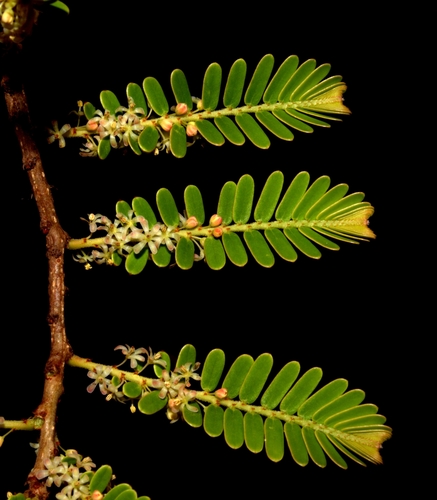
Amla (Indian gooseberry)
Phyllanthus emblica
Trials report lower high-sensitivity CRP, and a study in people with type 2 diabetes found that an amla extract reduced platelet aggregation and prolonged bleeding time, both alone and with aspirin or clopidogrel. Effects on heart attacks or strokes have not been studied.
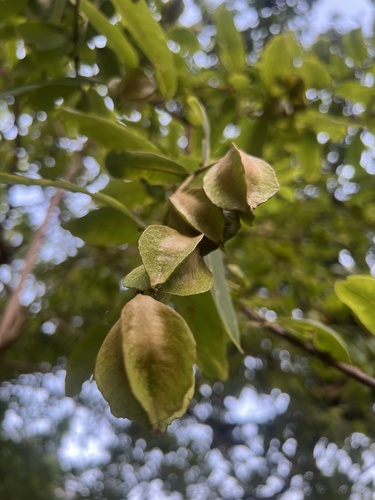
Arjuna
Terminalia arjuna
In heart failure, a 2026 meta-analysis of nine randomised trials (537 patients) found reduced left-ventricular mass but no significant gain in ejection fraction. A double-blind trial of 100 heart-failure patients on standard drugs found 750 mg of bark extract twice daily did not change ejection fraction over 12 weeks. A 2014 review of trials in chronic stable angina found them poorly designed and showed no significant difference from conventional treatment.

Cacao
Theobroma cacao
In the COSMOS trial (21,442 older US adults, median 3.6 years), a cocoa extract with 500 mg flavanols a day did not significantly reduce total cardiovascular events (HR 0.90, 95% CI 0.78–1.02), though cardiovascular deaths, a secondary outcome, were 27% lower.
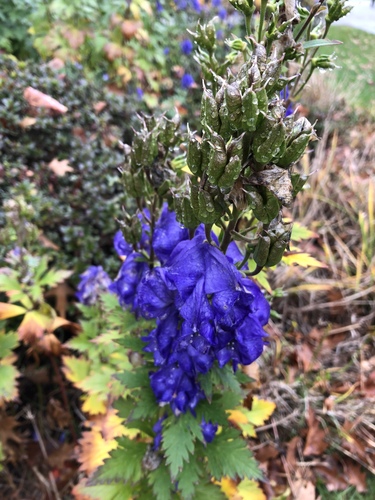
Chinese aconite
Aconitum carmichaelii
Evidence exists only for multi-herb products containing processed fu zi, not for fu zi itself. A large double-blind trial (n = 3,110) of Qili-qiangxin capsules, an 11-herb product with astragalus and processed fu zi, reduced heart-failure hospitalisation and cardiovascular death in heart failure with reduced ejection fraction; a review of 99 mostly low-quality trials of Shenfu injection (red ginseng plus fu zi) added to routine care reported better heart function. Neither result can be attributed to aconite alone.
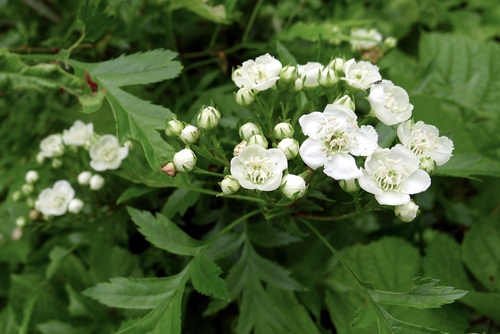
Chinese hawthorn
Crataegus pinnatifida
Used in China for heart pain and blood stasis. NCCIH, covering hawthorns including this species, finds conflicting evidence for heart failure and not enough evidence for angina, arrhythmia or atherosclerosis; the best-known extract in heart-failure trials, WS 1442, is made from hawthorn leaves with flowers, not shan zha fruit.
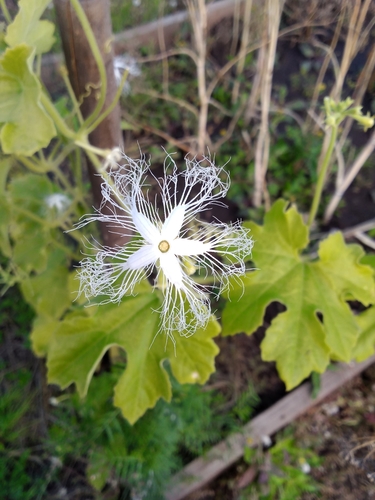
Chinese snake gourd
Trichosanthes kirilowii
Gualou Xiebai Banxia decoction (gua lou with Chinese chive bulb and pinellia) for stable angina: a 2019 systematic review of 17 RCTs (1,676 patients) found possible improvements in angina, ECG and lipids but could draw no firm conclusion because of poor quality and high risk of bias.
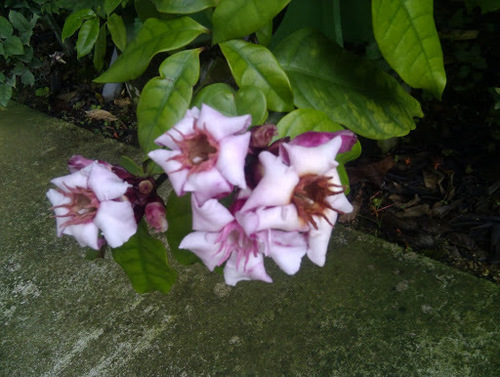
Climbing oleander
Strophanthus gratus
Purified Strophanthus glycosides, including ouabain (strophanthin-g), were used in clinics for many years to treat congestive heart failure and arrhythmias, as an alternative to foxglove glycosides. They have largely fallen out of use; a few investigators still promote ouabain for heart failure while others stress its toxicity. This is a history of a drug given by injection under medical supervision, not of the plant.
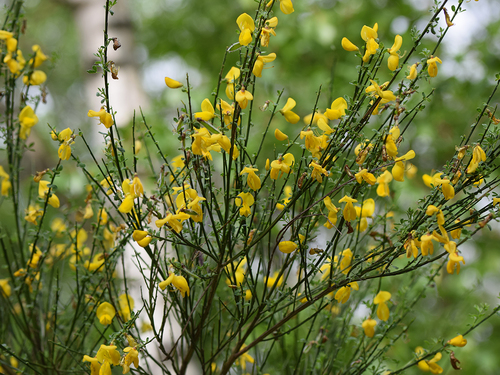
Common broom
Cytisus scoparius
Sparteine, the main alkaloid, blocks sodium channels in heart muscle much as quinidine does. It was used against cardiac arrhythmias from 1873, and sparteine sulfate was listed in Germany at 800–1,000 mg a day short-term (Rote Liste 1983). A reliable antiarrhythmic effect needed single oral doses of about 150–200 mg, and anticholinergic side effects occurred at therapeutic doses. These data are for the purified drug; no trials of the herb itself were found.
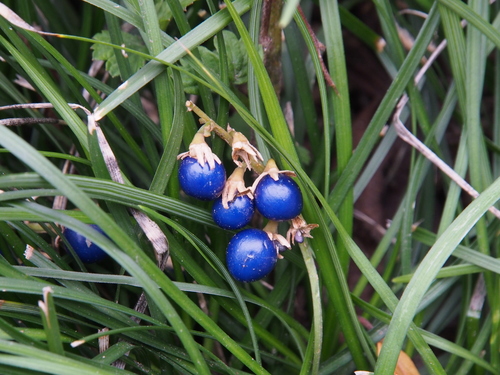
Dwarf lilyturf
Ophiopogon japonicus
Ophiopogonin D and the polysaccharides protected heart cells against doxorubicin injury in laboratory and animal studies. Ophiopogonin D is considered the principal active compound of the ginseng–ophiopogon formulas Shenmai san and Shenmai injection.

Flixweed
Descurainia sophia
Described as cardiotonic in both Chinese and Persian medicine. The seeds contain cardiac glycosides such as helveticoside, which inhibits the same Na+/K+-ATPase pump as digoxin; seed extract improved heart function in rats with heart failure. No human trials.
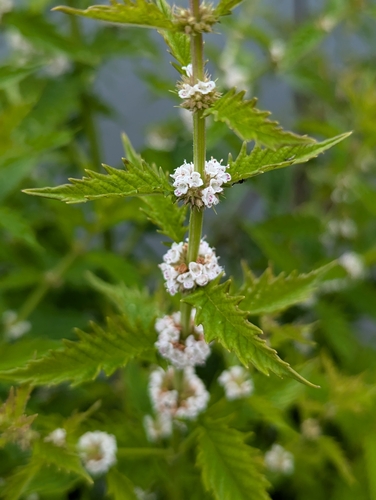
Gypsywort
Lycopus europaeus
The open 2008 study reported a fall in the raised morning heart rate associated with mild hyperthyroidism.

Hawthorn
Crataegus monogyna
A 2008 Cochrane review of 10 placebo-controlled trials (855 patients with chronic heart failure, NYHA I–III, mostly alongside standard drugs) found better maximal workload (about 5 W), exercise tolerance and symptoms such as breathlessness and fatigue. But the 2,681-patient SPICE trial (WS 1442, 900 mg/day for 2 years) found no effect on time to first cardiac event, and the 120-patient HERB CHF trial found no benefit on walking distance or quality of life when added to modern therapy. WHO lists NYHA stage II heart failure as a use supported by clinical data.

Kombe
Strophanthus kombe
K-strophanthin acts like digitalis. In a small double-blind crossover trial (22 patients with advanced heart failure from dilated cardiomyopathy), daily intravenous k-strophanthin for 3 months improved heart pump function and exercise oxygen uptake, while oral digoxin improved resting function only. Older reports compared it with digitalis in heart failure. It is no longer a standard treatment.
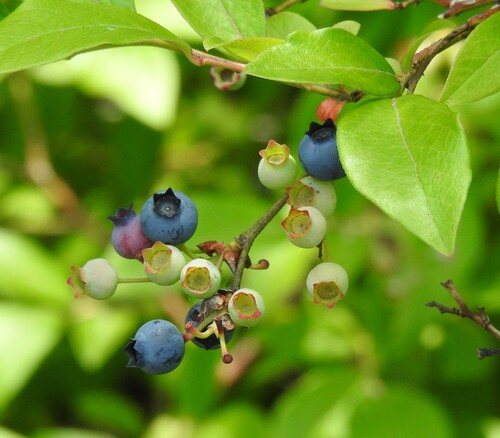
Northern highbush blueberry
Vaccinium corymbosum
A 6-month double-blind trial in 115 adults with metabolic syndrome found one cup (150 g) a day of freeze-dried blueberry improved endothelial function and arterial stiffness; half a cup did not. Blood pressure was unchanged.
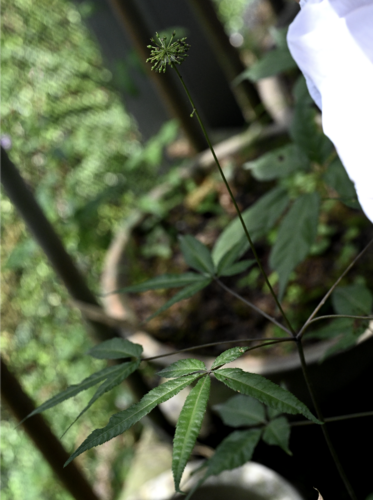
Notoginseng
Panax notoginseng
Added to conventional treatment in unstable angina, Xuesaitong reduced angina attacks and nitroglycerin use in a meta-analysis of 17 Chinese trials; trial quality was variable.
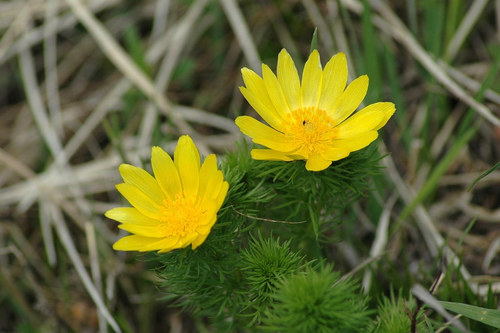
Pheasant's eye
Adonis vernalis
Commission E approved the herb for slightly reduced cardiac output (heart failure NYHA I–II), especially with nervous symptoms. Frog-heart assays in the 1930s found its potency comparable to digitalis, but no modern clinical trials exist, and the use has been superseded by better-controlled cardiac drugs.
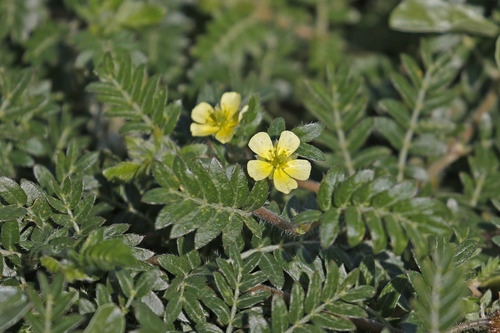
Puncture vine
Tribulus terrestris
A 1990 Chinese observational study of 406 patients reported more relief of angina with a tribulus saponin extract than with a control treatment; WHO states that randomised controlled trials are needed before it can be recommended.
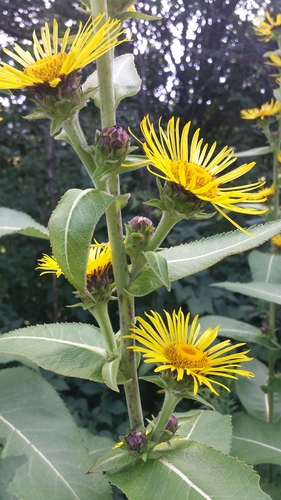
Pushkarmool
Inula racemosa
In a 1984 uncontrolled study, 50 patients with ECG-confirmed ischaemic heart disease took Pushkara Guggulu (pushkarmool with guggul resin, 6 g a day) for four months; chest pain and breathlessness on effort were reported controlled and mean cholesterol fell by about 17%. Root extracts protected rat hearts in models of ischaemia. A double-blind placebo-controlled trial of Pushkar Guggulu in stable coronary artery disease was registered in 2024.
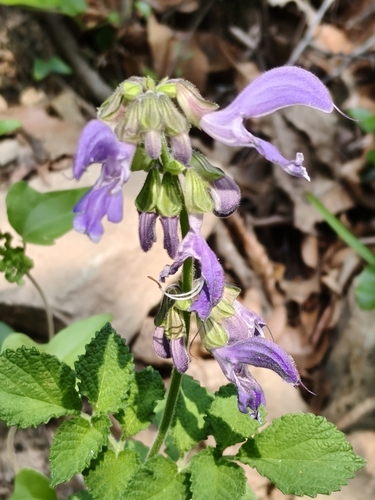
Red sage
Salvia miltiorrhiza
A 2018 meta-analysis of 10 Chinese trials (944 patients) found that intravenous Danshen injection added to standard anti-anginal drugs improved angina symptoms and ECG findings, but the trials were of low methodological quality and the injection's composition was not specified. The EU herbal committee concluded that no efficacy can be accepted from these studies.
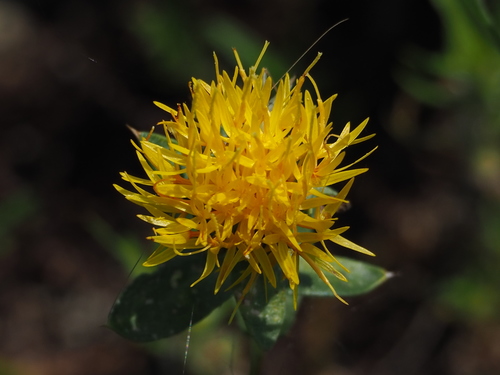
Safflower
Carthamus tinctorius
Meta-analyses of Chinese randomised trials report that safflower (Honghua) injection added to conventional treatment improved symptom and ECG response in angina (21 trials, 1,894 patients) and acute coronary syndrome (16 trials, 1,620 patients), compared with conventional treatment alone. These are injected hospital products, not home preparations, and the trials were not placebo-controlled.
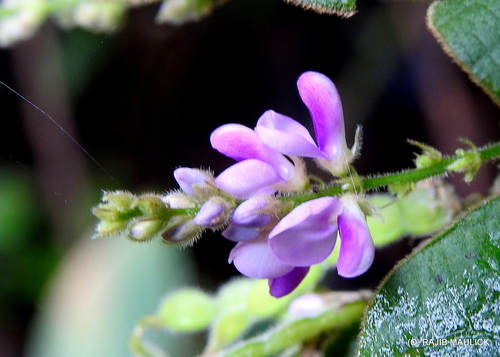
Shalaparni
Desmodium gangeticum
Root extracts improved heart function and reduced oxidative damage after ischaemia–reperfusion in isolated rat hearts. Experimental only.

Siberian musk deer
Moschus moschiferus
Shexiang Baoxin Pill, a seven-ingredient Chinese patent medicine containing musk, ginseng, artificial bezoar, cinnamon bark, storax, toad venom and borneol, is widely used in China for stable angina. A 2022 meta-analysis of 42 randomised trials (6,694 patients, almost all published in Chinese) found fewer major cardiovascular events when it was added to standard treatment (RR 0.50), but rated the evidence low to moderate certainty because of poor blinding and randomisation. The effect cannot be attributed to musk alone.
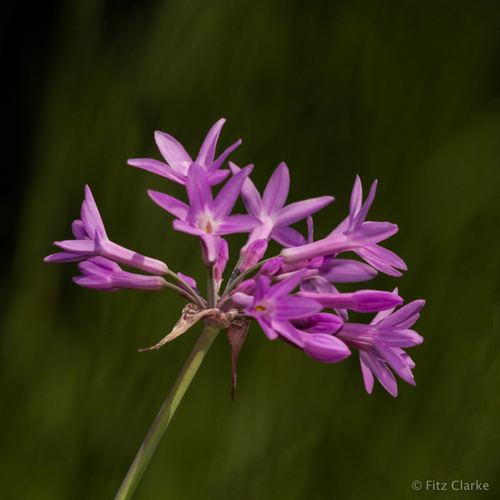
Society garlic
Tulbaghia violacea
Aqueous leaf extract reduced platelet adhesion by about 70% and slowed whole-blood clotting in vitro, and extracts protected the aorta in atherosclerotic rats.
Szechuan lovage
Conioselinum anthriscoides
Used in China for angina and stroke, and its compounds (tetramethylpyrazine, ligustilide) protect heart and brain tissue in animal studies; a 2025 review calls for large clinical trials to confirm effects.
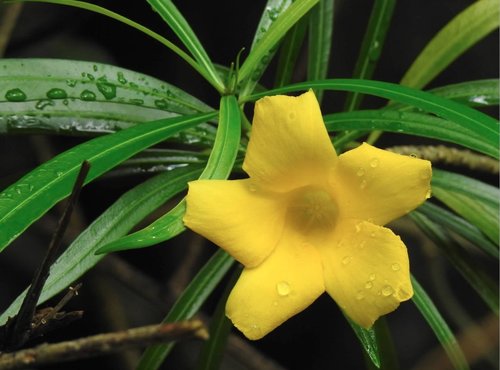
Yellow oleander
Cascabela thevetia
Cardiac glycosides from the plant, such as peruvoside and the thevetins, have been explored for congestive heart failure because of a positive inotropic effect similar to digitalis. No product is in current use, and the toxic margin is narrow.
Traditional use
TraditionalLong recorded use, essentially untested in clinical trials.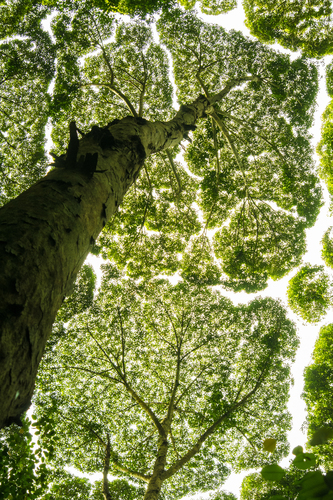
Borneo camphor
Dryobalanops aromatica
Borneol is an ingredient of widely prescribed Chinese patent medicines for coronary heart disease (quick-acting heart tablets, compound salvia drops, Angong Niuhuang pills) and of Suhexiang and Suxiao Jiuxin pills; the evidence for borneol itself is from animal and formulation studies.
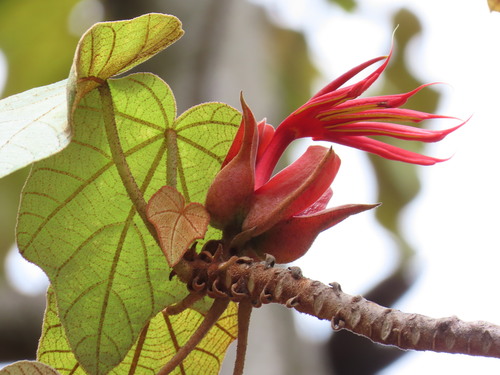
Devil's hand tree
Chiranthodendron pentadactylon
The flowers' main current use in Mexico is for heart illness and heart-disease symptoms; there is no clinical testing.
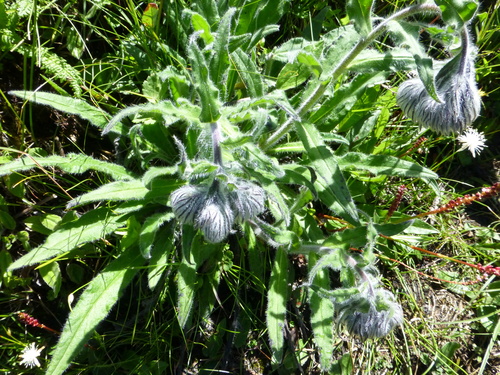
Gaozaban
Onosma bracteatum
Unani compound preparations named after Gaozaban (Khamira Gaozaban and its variants) and Arq Gaozaban, the aqueous distillate of the plant, are used as heart tonics for palpitations and 'weakness of the heart'. No clinical trials of O. bracteatum itself were found.
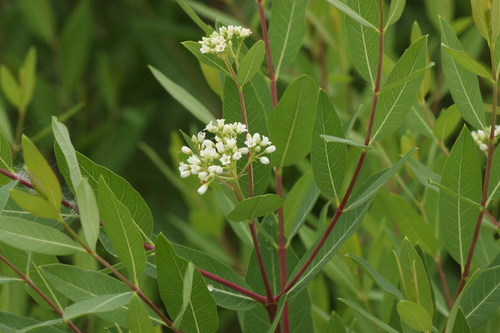
Indian hemp
Apocynum cannabinum
Used by physicians around 1900 in heart disease and mitral valve disease; its root glycosides (cymarin, apocannoside) act on the heart, and the USDA notes it slows and strengthens the heartbeat and raises blood pressure. Superseded by standardised drugs; not recommended.
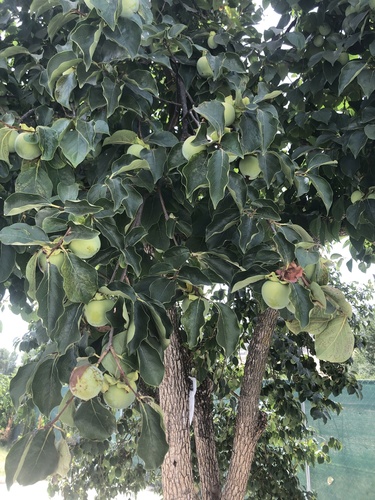
Japanese persimmon
Diospyros kaki
Leaf preparations have a traditional Chinese use for angina and stroke; supporting work is mainly in animals and the lab.
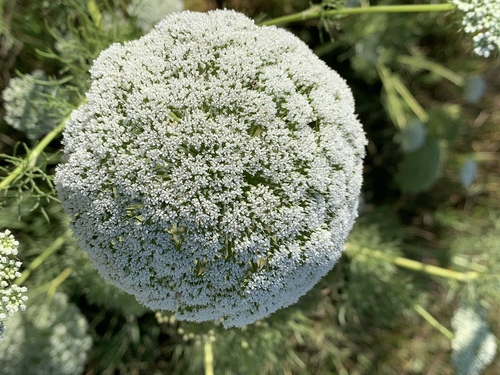
Khella
Ammi visnaga
Used for mild angina; khellin and visnadin dilate coronary arteries and block calcium entry in laboratory studies. The khellin scaffold inspired the antiarrhythmic amiodarone.

Lily of the valley
Convallaria majalis
Used in herbal medicine since the sixteenth century as a heart remedy, today mostly within combination extracts; its glycosides strengthen heart contraction by inhibiting the sodium-potassium pump, like digoxin. Evidence is from in-vitro and animal studies; there are no modern clinical trials, and it is not for self-treatment.
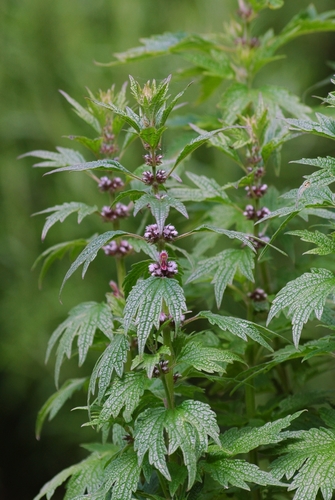
Motherwort
Leonurus cardiaca
EMA traditional use for nervous cardiac complaints such as palpitations, only after a doctor has excluded serious conditions such as arrhythmia, an overactive thyroid or organic heart disease.

Ordeal tree
Erythrophleum suaveolens
In Nigeria the bark is listed as a remedy for cardiac problems as well as a poison; its cassaine diterpenes have cardiac-glycoside-like profiles and damaged human heart muscle cells at 0.03 µg/mL. No therapeutic use is safe.
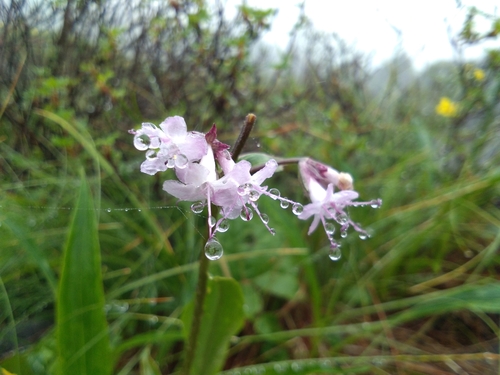
Spikenard
Nardostachys jatamansi
Ibn Sina lists it among drugs for heart disease in his treatise on cardiac drugs; in the Western Himalaya the rhizome is used for heart palpitations, convulsions, epilepsy and insomnia. No clinical trials for heart disease.