- Animals
- ›Arthropods
- ›Hexapods
- ›Insects
- ›Winged and Once-winged Insects
- ›Flies
- ›Nematoceran Flies
- ›Mosquitoes and Midges
- ›Culicoidea
- ›Mosquitoes
- ›Culicine Mosquitoes
- ›Culicini
- ›Culex
- ›Culex
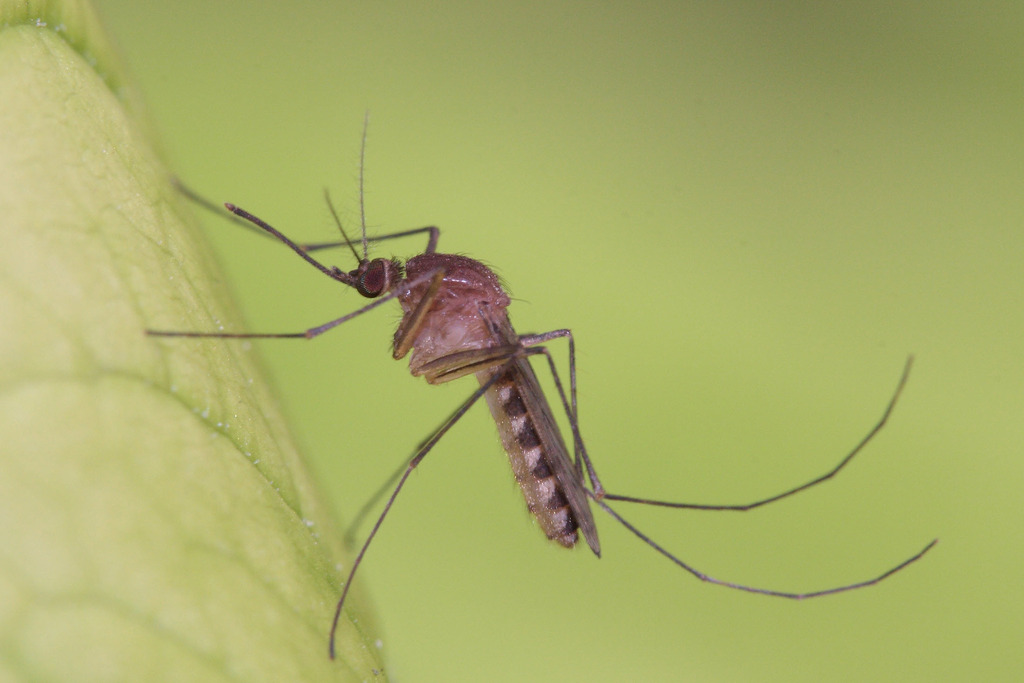
Florida SLE Mosquito
Culex nigripalpus
Culex nigripalpus (Florida SLE mosquito) is a species of medium-sized, dark, blood-feeding mosquito of the family Culicidae.
From the article Culex nigripalpus on Wikipedia (CC BY-SA), quoted section by section
Range & habitat
Culex nigripalpus has been found to occur in the following countries: Anguilla, Bahamas, Barbados, Belize, Brazil, Colombia, Costa Rica, Cuba, Dominica, Dominican Republic, Ecuador, El Salvador, French Guiana, Grenada, Guadeloupe, Guatemala, Guyana, Haiti, Honduras, Jamaica, Martinique, Mexico, Montserrat, Nicaragua, Panama, Paraguay, Peru, Puerto Rico, Saint Lucia, Saint Vincent and the Grenadines, Suriname, Trinidad and Tobago, United States, Venezuela, Virgin Islands. In the United States, it is found from Texas to North Carolina in warm, humid coastal habitats and in the Mississippi River basin as far north as Kentucky.
Wikipedia: “Distribution”
What it does
Culex nigripalpus larvae live in fresh water in semi-permanent or permanent marshes, ditches, retention ponds, and grassy pools, and females prefer to lay eggs in freshly flooded ditches.
Wikipedia: “Ecology”
In medicine
Culex nigripalpus is a principal disease vector in Florida – the primary enzootic vector to wild birds and the primary epidemic vector to humans of the Saint Louis encephalitis (SLE) virus. It has been experimentally demonstrated to be capable of transmitting West Nile virus (WNV). Its habit of feeding on both birds and humans gives it significant potential for transmission of zoonotic infections from birds to humans. It is also a vector of transmission of Eastern equine encephalitis (EEE), dog heartworm, and Avian malaria.
== References ==
Wikipedia: “Medical significance”
Listen
Looking for field recordings…
Where it lives
Recorded sightings
—
geo-referenced records in GBIF, from museums, herbaria and field observers.
Drag the globe to turn it. Dots are where records exist, not a range map; darker means more records.
In the stacks
Searching the stacks…
Every page naming Culex nigripalpus in the Biodiversity Heritage Library →
This page is assembled live from iNaturalist, GBIF, Wikipedia, the Source Library and the Internet Archive. It is not yet part of the hand-edited codex. iNaturalist taxon 294261.