 NL·0499
Herbarium of the Nature Library
- Name
- Iguana iguana
- Family
- Iguanidae
- Native to
- Mexico through Central America to Paraguay and southern Brazil; parts of the Caribbean
- Habitat
- Tropical rainforest, Riverine forest, Dry forest, Mangrove
Green iguana
Iguana iguana
Also calledIguana (Spanish, from Taíno iwana) · Gallina de palo, 'tree chicken' (Central American Spanish) · Garrobo (Spanish, regional) · Sinimbu / Camaleão (Brazilian Portuguese)
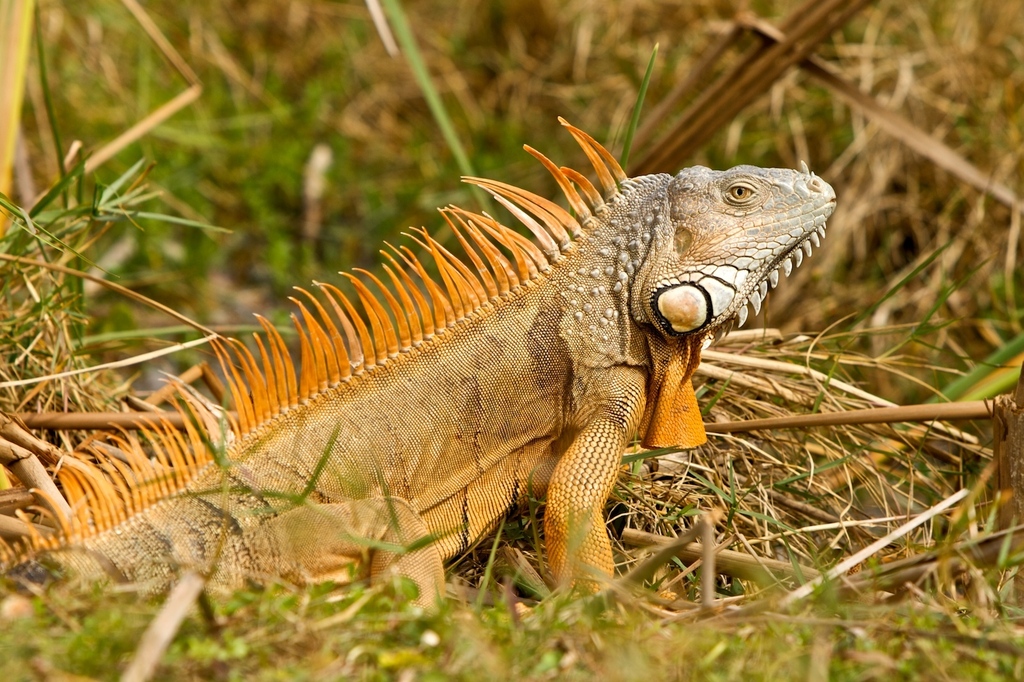
A large plant-eating lizard of tropical American riversides, with a dewlap and a spiny crest. It is eaten across Central America. Released pets have made it an invasive pest in Florida, Puerto Rico and elsewhere.
The green iguana, also known as the American iguana or the common green iguana, is a large, arboreal, mostly herbivorous species of lizard of the genus Iguana. Usually, this animal is simply called the iguana. The green iguana ranges over a large geographic area; it is native from southern Brazil and Paraguay as far north as Mexico. It is highly invasive in many subtropical and tropical environments throughout the world. Wikipedia
What it can do
- iCan drop from tree branches over 10 m high into water or onto the ground unhurt
- iiSwims well and can stay underwater for long periods
- iiiHas a light-sensitive 'third eye' (parietal eye) on top of its head
- ivDigests leaves with the help of gut microbes, like a cow
In the field
Field marks
- aLarge round scale (subtympanic shield) on the cheek below the ear
- bLarge dewlap and a spiny crest along the back
- cGreen to grey-brown; adult males can turn orange in the breeding season
- dLong tail with dark bands
- Not to be confused with
- Spiny-tailed iguanas (Ctenosaura) have rings of spiny scales on the tail and no large cheek scale. The Lesser Antillean iguana (I. delicatissima) also lacks the large cheek scale and has an unbanded tail. Basilisks are smaller, with crests on the head.
- Where to see it
- Riverbanks throughout Central America, e.g. Costa Rica's Tárcoles and Sarapiquí rivers, Tikal, Belize; in Florida, canals in Miami
- When
- Resident; mating in the dry season, egg-laying a few weeks later
Life & habits
- Diet
- Leaves, flowers and fruit; juveniles occasionally eat insects
- Habitat
- Trees along rivers and coasts; urban canals in introduced range
- Size
- Up to ~1.7 m including tail; up to ~5–8 kg
- Lifespan
- ~10–15 years in the wild; 20+ in captivity
Basks high in trees over water and drops into the river to escape. Males bob their heads and show off their dewlaps to rivals. It eats plants and is not venomous, but it bites and lashes its tail if handled. People eat both the meat and the eggs.
Where it lives
Recorded sightings
—
geo-referenced records in GBIF, from museums, herbaria and field observers.
Native range
Mexico through Central America to Paraguay and southern Brazil; parts of the Caribbean
Drag the globe to turn it. Dots are where records exist, not a range map; darker means more records.
In the old herbals & bestiaries
Woodcuts and engravings matched from the Source Library’s scanned books by name. Plates marked “relative” show a close kin rather than this exact species. Click a plate to read the page it came from, with translation.

In the stacks
Searching the stacks…
Every page naming Iguana iguana in the Biodiversity Heritage Library →
Marginalia
The word 'iguana' comes from the Taíno iwana. Gonzalo Fernández de Oviedo described iguana meat in his 1526 'Sumario' of the natural history of the Indies.
Curiosity
During cold snaps in Florida, iguanas become torpid and fall from trees; they usually recover when they warm up.
Kinship

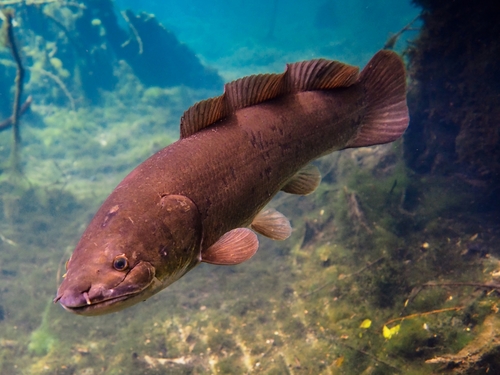
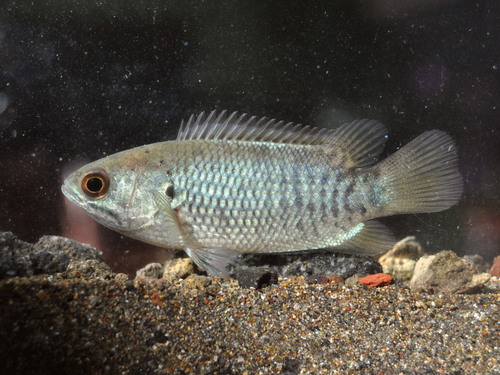
Photographs: iNaturalist contributors under the licences shown. Records: GBIF.org. Historical plates: Source Library (CC BY-SA 4.0; originals public domain). Summary text: Nature Library editors and Wikipedia (CC BY-SA). Medicinal and edibility notes are historical and educational, not advice. iNaturalist taxon 35342.