 NL·0262
Herbarium of the Nature Library
- Name
- Cygnus olor
- Family
- Anatidae
- Native to
- Europe and Asia; introduced in North America, South Africa, Australia and New Zealand
- Habitat
- Lakes, Rivers, Estuaries
On eBird ↗
Mute Swan
Live sightings near you, the range map, bar charts of when it is seen, and Macaulay Library photos and recordings.
Mute swan
Cygnus olor
Also calledHamsa (Sanskrit, swan) · Hans (Hindi, swan) · Yóubí tiān'é (Chinese, 疣鼻天鹅) · Höckerschwan (German) · Cisne vulgar (Spanish)
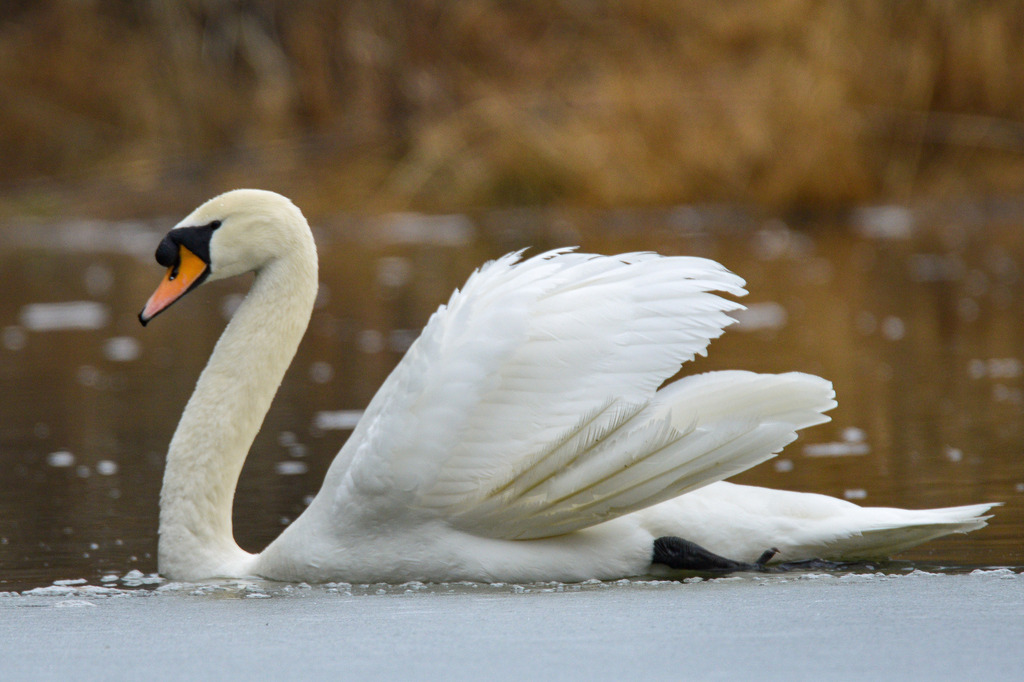
A large white swan with an orange bill and a black knob. One of the heaviest flying birds, it is less vocal than other swans but hisses fiercely in defence.
The mute swan is a species of swan and a member of the family Anatidae within the waterfowl order. It is native to much of Europe and parts of Asia and the far north of Africa. It is an introduced species in North America, home to the largest populations outside of its native range, with additional smaller introductions in Australasia and Southern Africa. The name "mute" derives from it being less vocal than other swan species. Typically measuring 140 to 160 cm in length, this large swan is wholly white in plumage, with an orange beak bordered with black. It is recognisable by its pronounced knob atop the beak, which is larger in males. Wikipedia
What it can do
- iAmong the heaviest flying birds, up to about 15 kg
- iiWingbeats make a loud throbbing sound audible far away
- iiiUpends to graze aquatic plants up to a metre deep
- ivDefends nest aggressively with wing displays ('busking')
In the field
Field marks
- aVery large white swan
- bOrange bill with a black knob at the base
- cNeck held in an S-curve
- dWings often raised in an arch when threatened
- Voice
- Mostly quiet; hisses and snorts; wings make a loud throbbing sound in flight
- Not to be confused with
- Whooper swan has a yellow-and-black bill and straight neck. Trumpeter and tundra swans in North America have black bills.
- Where to see it
- Abbotsbury Swannery, Dorset; park lakes and rivers across Europe
- When
- Resident; cygnets May–Jun
Listen
Looking for field recordings…
Life & habits
- Diet
- Aquatic plants; some invertebrates
- Habitat
- Lakes, rivers, estuaries and park ponds
- Size
- 125–170 cm; wingspan 2–2.4 m
- Lifespan
- Typically 10–20 years
Pairs often stay together for many years, and cygnets ride on their parents' backs.
Where it lives
Recorded sightings
—
geo-referenced records in GBIF, from museums, herbaria and field observers.
Native range
Europe and Asia; introduced in North America, South Africa, Australia and New Zealand
Drag the globe to turn it. Dots are where records exist, not a range map; darker means more records.
In the old herbals & bestiaries
Woodcuts and engravings matched from the Source Library’s scanned books by name. Plates marked “relative” show a close kin rather than this exact species. Click a plate to read the page it came from, with translation.

Worksop Bestiary
Anonymous · 1185 · p.54

Ulyssis Aldrovandi ... Ornithologiae
Aldrovandi, Ulisse · 1610 · p.870

Bestiary
Anonymous · 1240 · p.147

History of Animals, Book I: On Viviparous Quadrupeds
Conrad Gessner · 1554 · p.544

Bestiary
Anonymous · 1240 · p.146

Garden of Health
Jacob Meydenbach · 1491 · p.650

History of the Northern Peoples
Olaus Magnus · 1555 · p.761

Theater of Earthly Creatures
Anonymous · 1672 · p.206

History of the Northern Peoples
Olaus Magnus · 1555 · p.776

Of the Eggs and Nests of Birds
Giuseppe Zinanni (Ginanni) (1692-1753) · 1737 · p.153
In the stacks
Searching the stacks…
Every page naming Cygnus olor in the Biodiversity Heritage Library →
Marginalia
The British monarch claims ownership of unmarked mute swans in open water, and an annual 'Swan Upping' on the Thames counts them. Zeus approached Leda as a swan in Greek myth.
Curiosity
The 'swan song' legend, that it sings only at death, dates back to the ancient Greeks.
Kinship
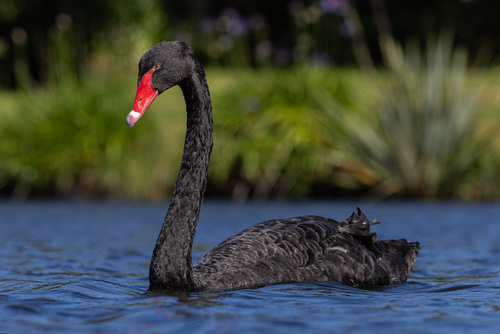
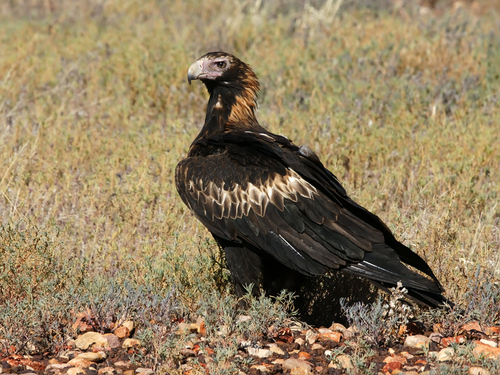
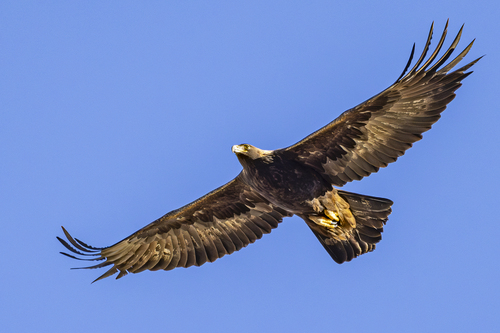
Photographs: iNaturalist contributors under the licences shown. Records: GBIF.org. Historical plates: Source Library (CC BY-SA 4.0; originals public domain). Summary text: Nature Library editors and Wikipedia (CC BY-SA). Medicinal and edibility notes are historical and educational, not advice. iNaturalist taxon 6921.