 NL·0313
Herbarium of the Nature Library
- Name
- Vulpes lagopus
- Family
- Canidae
- Native to
- Circumpolar tundra of Eurasia and North America, Greenland, Iceland, Svalbard and the Commander and Pribilof Islands
- Habitat
- Tundra, Sea ice, Coastal cliffs
Arctic fox
Vulpes lagopus
Also calledFjällräv (Swedish) · Tófa (Icelandic) · Tiriganiaq (Inuktitut) · Pestsy (Russian) · Zorro ártico (Spanish) · Raposa-do-ártico (Portuguese)
A small fox of the high Arctic with the warmest fur of any mammal, turning white in winter and brown-grey in summer (or bluish-grey year-round in the 'blue' morph). Arctic foxes follow polar bears to scavenge, cache lemmings and seabird eggs, and some cross sea ice for thousands of kilometres.
The Arctic fox, also known as the white fox, polar fox, or snow fox, is a small species of fox native to the Arctic regions of the Northern Hemisphere and common throughout the Arctic tundra. It is well adapted to living in cold environments, and is known for its thick, warm fur that can be used as camouflage against snow in the winter. It has a large and fluffy tail. In the wild, most individuals do not live past their first year but some exceptional ones survive up to 11 years. Its body length ranges from 46 to 68 cm, with a generally rounded body shape to minimize the escape of body heat. Wikipedia
What it can do
- iDoes not begin to shiver until the temperature falls to about −70 °C
- iiA young female walked 3,500 km from Svalbard to Ellesmere Island, Canada, in 76 days across sea ice (2018)
- iiiCan have litters of up to about 20 pups in good lemming years
In the field
Field marks
- aSmall, compact fox with short legs, short rounded ears and a short muzzle
- bWinter: pure white (white morph) or slate blue-grey (blue morph); summer: brownish-grey with paler belly
- cVery bushy tail and furred soles
- dSigns: dens on mounds with many entrances and lush green vegetation, fertilised by prey remains
- Not to be confused with
- Red fox, increasingly moving north, is larger, redder, with larger pointed ears and longer legs. In white, distant snowshoe hare or ptarmigan may be mistaken briefly.
- Where to see it
- Hornstrandir Nature Reserve (Iceland); Svalbard; Dovrefjell–Sunndalsfjella (Norway); Churchill (Manitoba); Commander Islands (Russia)
- When
- Resident; white coat October–May
Listen
Looking for field recordings…
Life & habits
- Diet
- Lemmings and voles, seabirds and eggs, fish, carrion including polar-bear kill leftovers, berries
- Habitat
- Tundra, mountain plateaus, sea-ice margins and coastal cliffs
- Size
- Body 46–68 cm, tail 25–42 cm; 2.5–9 kg
- Lifespan
- 3–4 years in the wild
Dens are dug in sandy mounds and some are reused for centuries. Pairs raise pups together.
Where it lives
Recorded sightings
—
geo-referenced records in GBIF, from museums, herbaria and field observers.
Native range
Circumpolar tundra of Eurasia and North America, Greenland, Iceland, Svalbard and the Commander and Pribilof Islands
Drag the globe to turn it. Dots are where records exist, not a range map; darker means more records.
In the old herbals & bestiaries
No plate in the Source Library names this exact species, so these show its closest relatives as the old naturalists drew them: same genus, or the same kind of animal. Click a plate to read the page it came from, with translation.


In the stacks
Searching the stacks…
Every page naming Vulpes lagopus in the Biodiversity Heritage Library →
Marginalia
The Arctic fox was Iceland's only native land mammal when the Norse arrived around 870 CE. In Finnish folklore, the aurora is 'revontulet', 'fox fires', said to be sparks from a fox's tail brushing the snow.
Curiosity
Its species name lagopus means 'hare-foot', for the dense fur that covers the soles of its feet.
Kinship
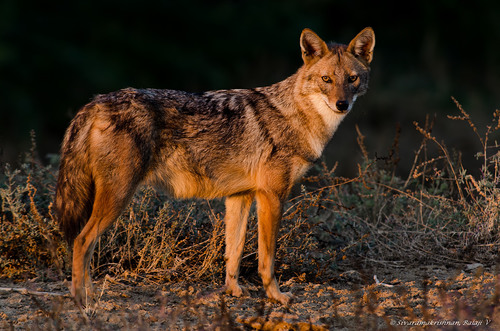
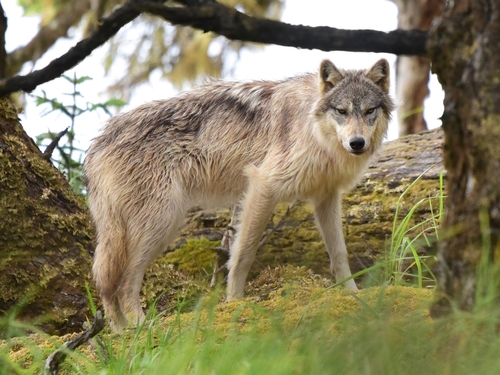
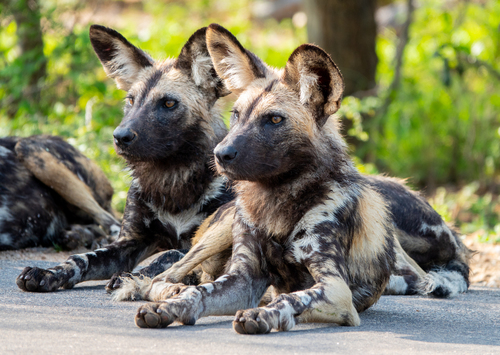
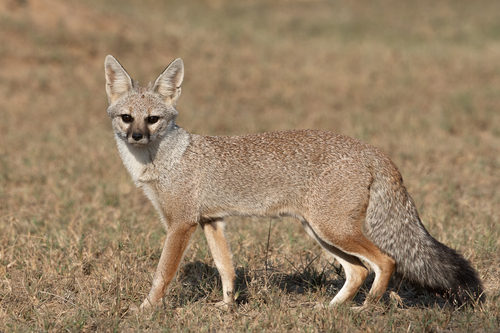

Photographs: iNaturalist contributors under the licences shown. Records: GBIF.org. Historical plates: Source Library (CC BY-SA 4.0; originals public domain). Summary text: Nature Library editors and Wikipedia (CC BY-SA). Medicinal and edibility notes are historical and educational, not advice. iNaturalist taxon 233598.